Categories
Developer Tools AI Agents Workflow Automation Self-Hosted AI MCP AI Coding Agents Multi-Agent Orchestration Agent Operating SystemStars
Forks
Watchers
Developer links
Agent Swarm
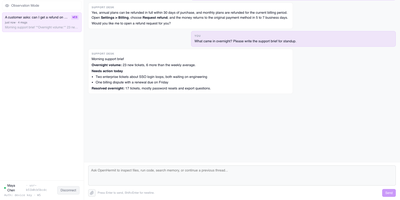
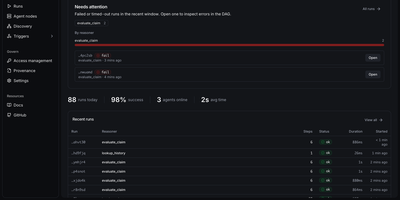
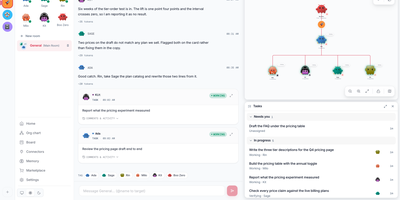
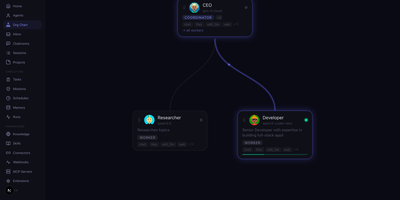
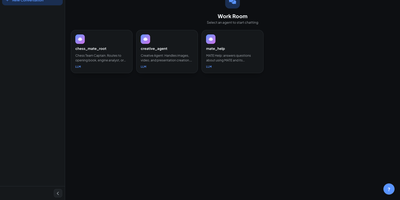
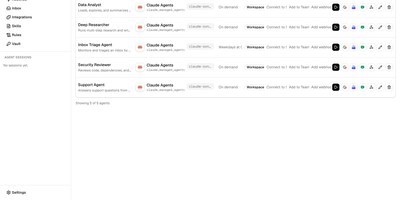
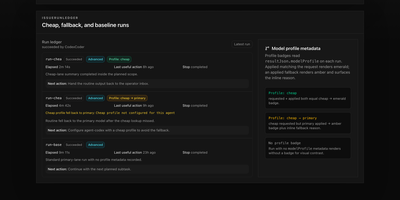
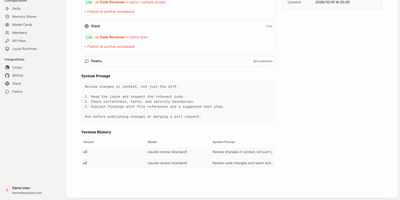
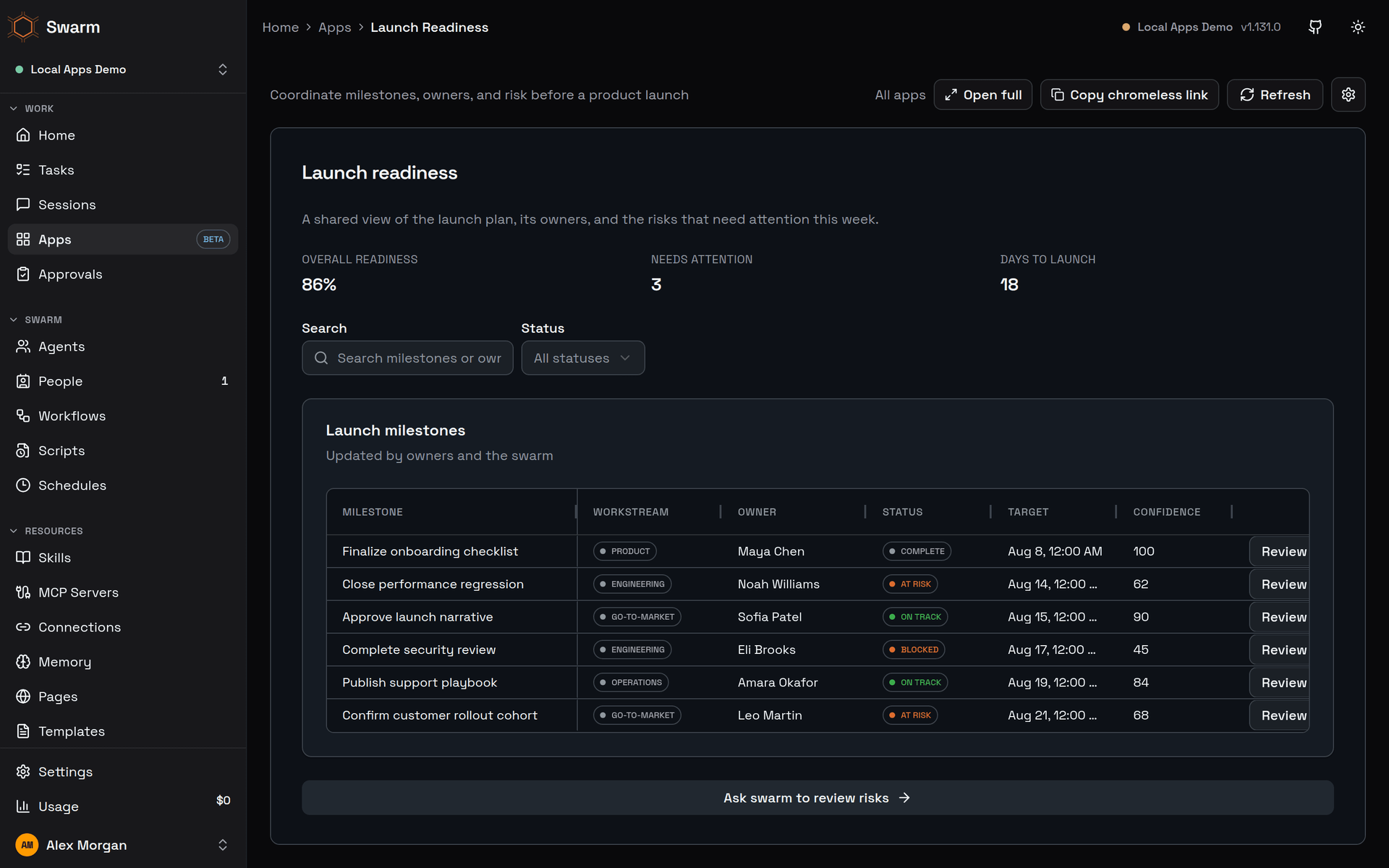
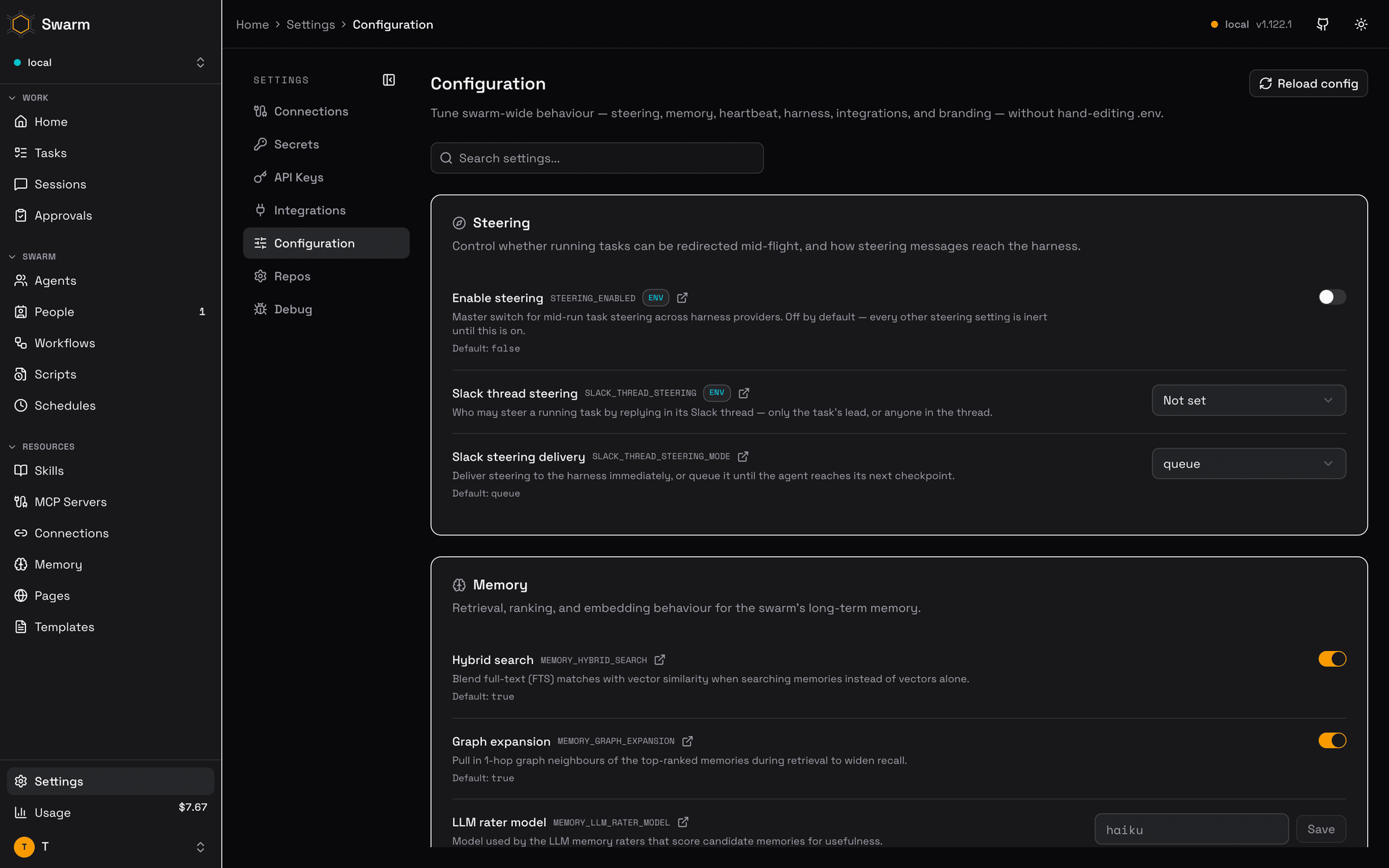
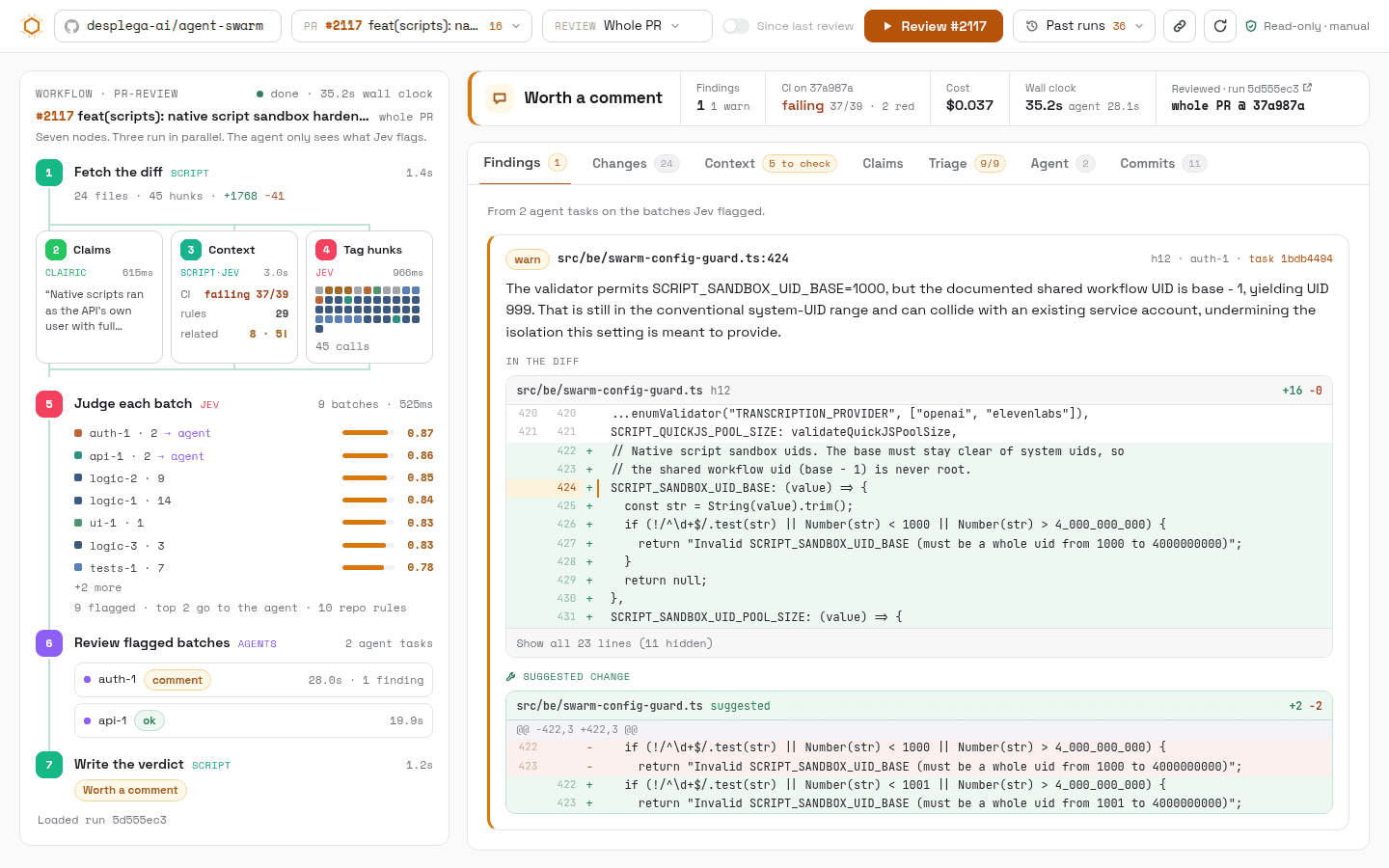
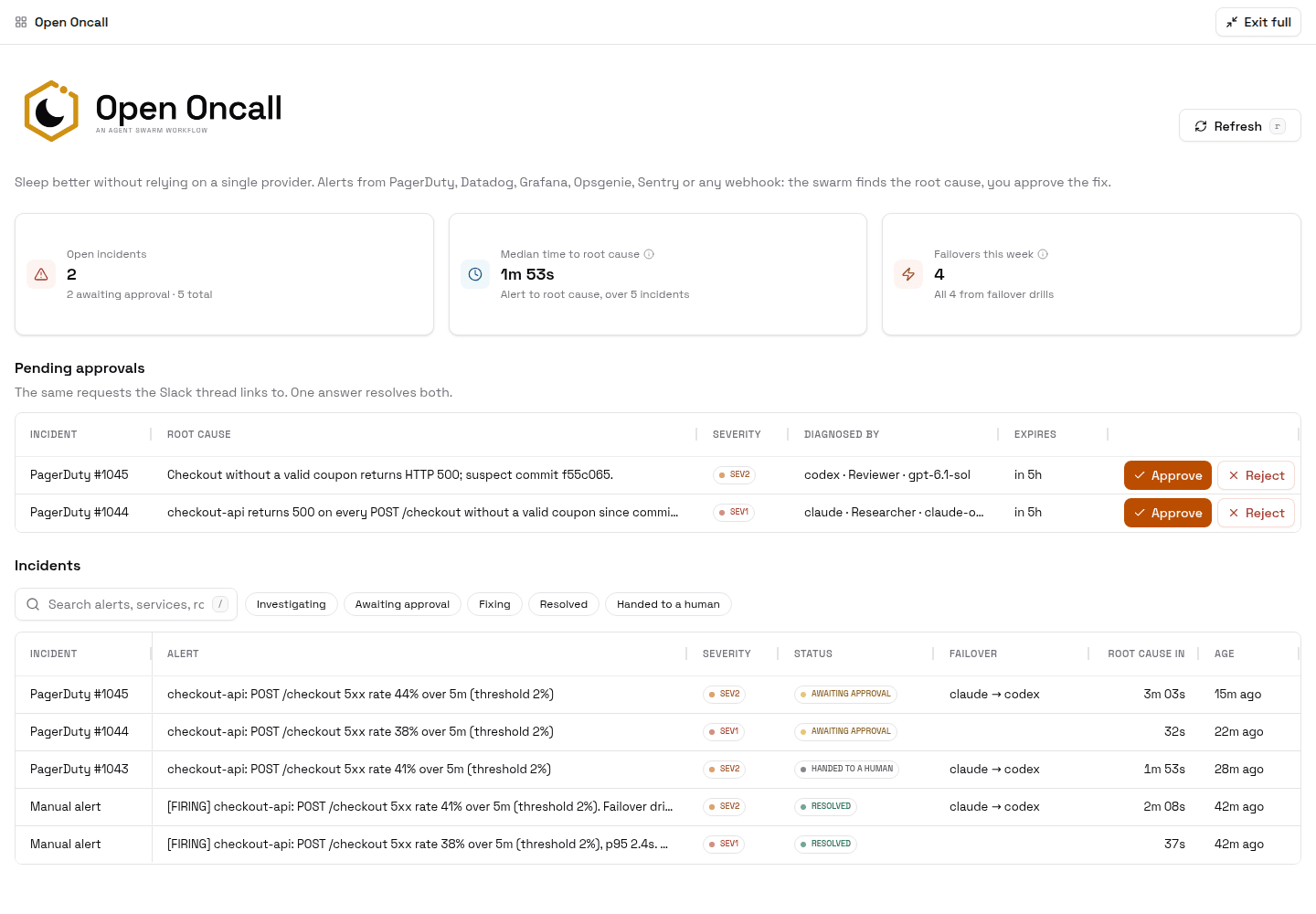
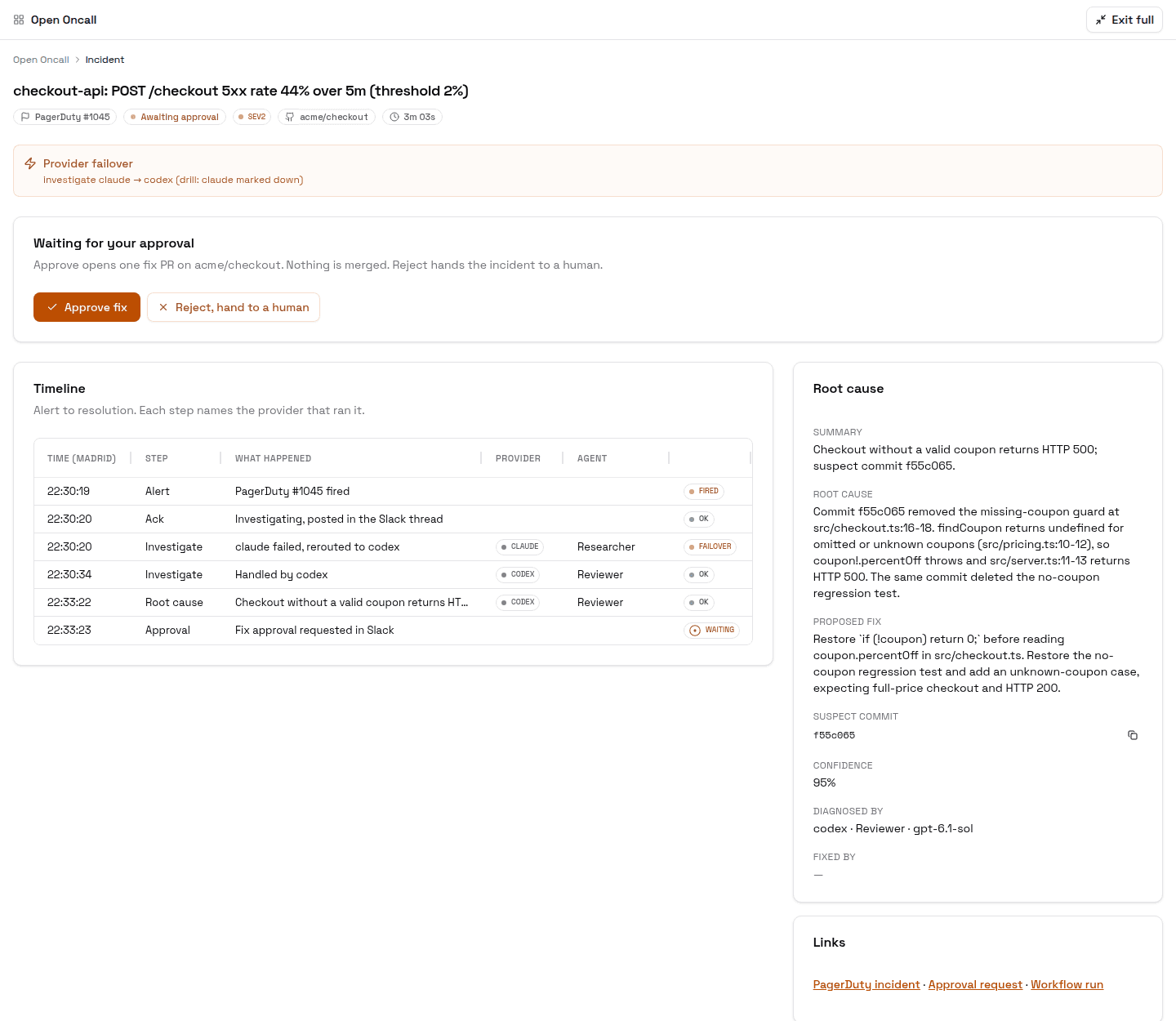
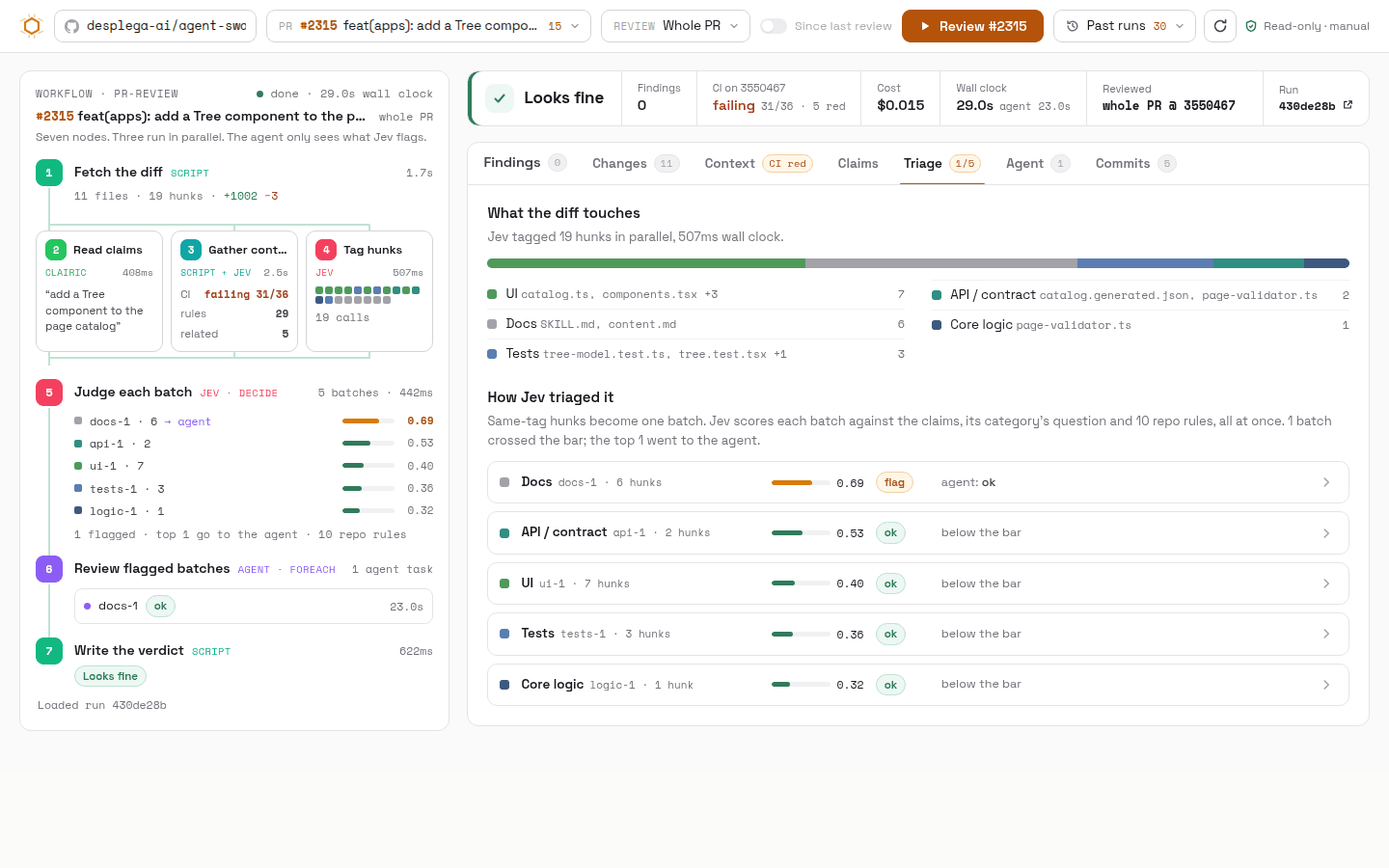
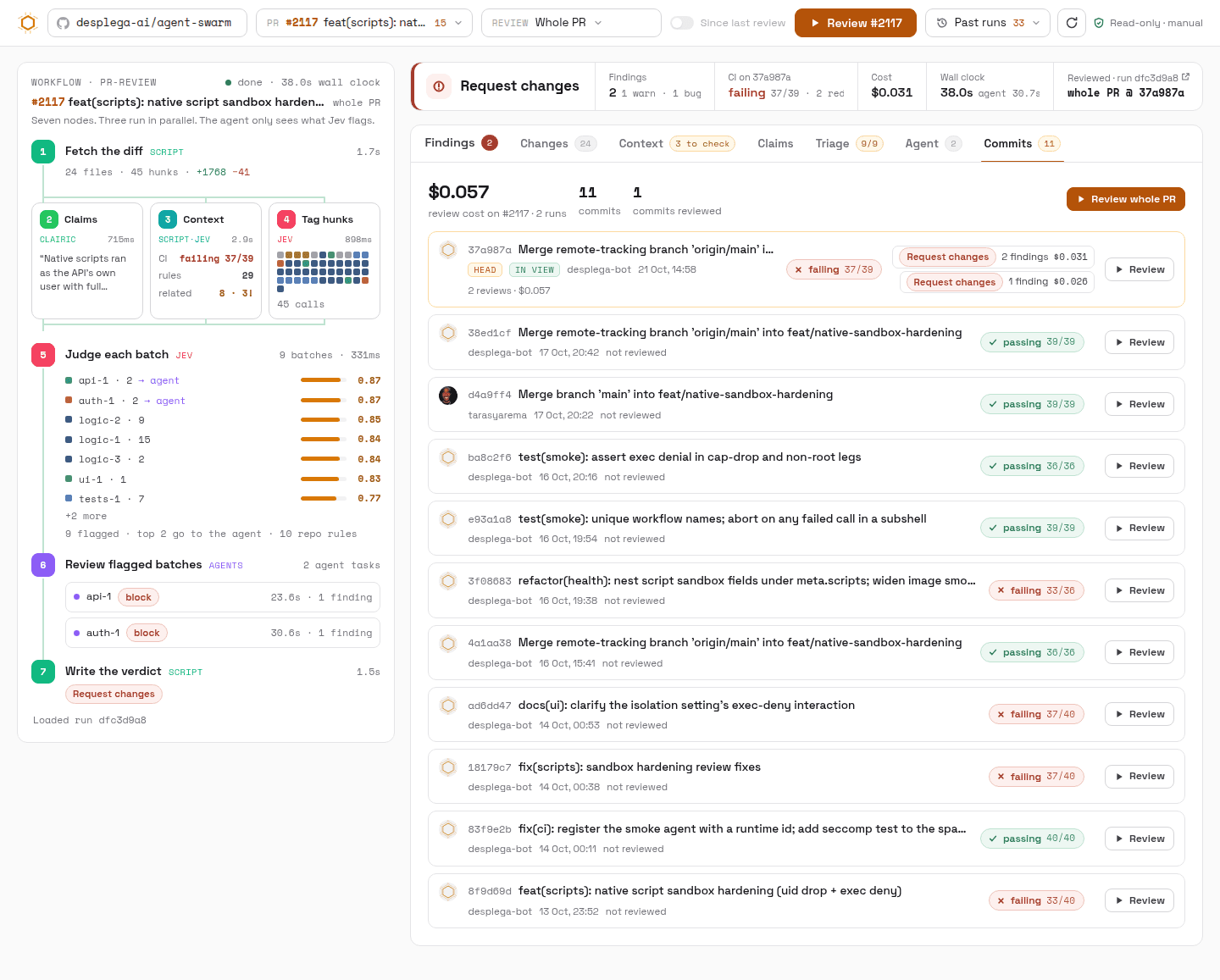
Agent Swarm gives a company one lead AI agent and a crew of coding workers that take requests from Slack, GitHub, Linear, or email and hand back pull requests while people only approve. The lead reads each request, plans it, and delegates to workers that run Claude Code, Codex, pi, opencode, Cursor, or Amp in isolated containers with a full development environment. Every agent keeps a persistent identity, and what one learns goes into shared memory with hybrid keyword and vector search, so the next task starts with context. Schedules run recurring jobs on cron or interval timers, and a DAG workflow engine adds triggers, conditions, per-step retries, and approval nodes that pause until someone answers in the dashboard or in Slack. The dashboard lists tasks, sessions, approvals, agents, people, workflows, scripts, skills, MCP servers, memory, and per-user usage costs. Its Apps feature builds versioned, role-restricted pages such as an incident board or a launch tracker, each with history and rollback. A configuration page tunes steering, memory, and integrations without editing environment files, and official templates supply ready-made agents for coding, review, research, QA, and content work. Workers can expose HTTP services, call approved third-party routes, and pay for x402 APIs in USDC. Running on a dedicated VPS on RepoCloud with guaranteed CPU, RAM, and SSD, full root SSH access, and a browser serial console. MIT licensed.
Benefits
- Delegate From Slack Or GitHub
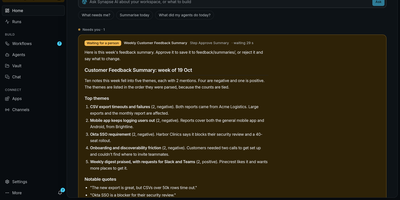
- Requests from Slack, GitHub, GitLab, Linear, Jira, or email reach the lead agent, which plans the work and hands it to workers, so people only review and approve the result.
- Mix Agent Harnesses Per Worker
- Each worker runs its own harness, such as Claude Code, Codex, pi, opencode, Cursor, or Amp, so one swarm combines models from different labs and a second model can check the first.
- Keep Knowledge Between Sessions
- Shared memory with hybrid keyword and vector search plus persistent agent identities lets every new task start with what earlier sessions learned, instead of repeating the same discovery work.
- Approve Risky Steps From Chat
- Workflow approval nodes pause a run until a person answers in the dashboard Approvals page, and Slack notifications announce each request, so nothing consequential ships without a human decision.
Features
- Lead And Worker Agents
- A lead agent triages and delegates tasks to workers in isolated Docker containers, each with its own identity, a full development environment, and an optional HTTP service on port 3000.
- Workflow And Schedule Engine
- A DAG workflow engine with webhook, schedule, and manual triggers, conditions, per-step retries, and version history sits beside cron, interval, and one-time scheduled tasks.
- Persistent Shared Memory
- Session summaries are embedded and stored for retrieval with hybrid full-text and vector search plus graph expansion, and the lead can inject learnings directly into worker memory.
- Dashboard And Apps
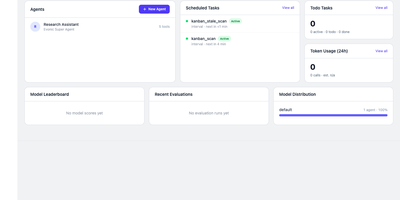
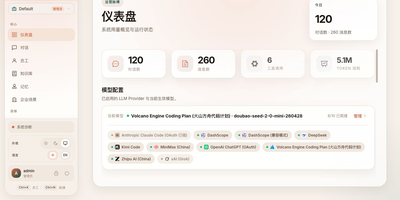
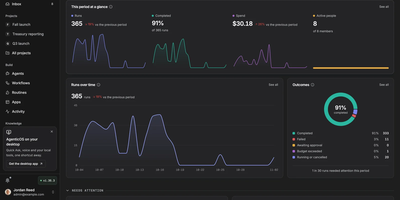
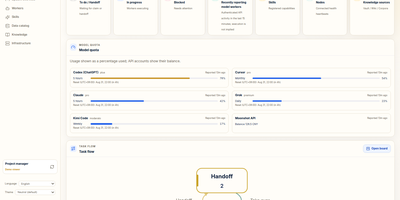
- The web dashboard covers tasks, sessions, approvals, agents, people, usage costs, and settings, while versioned Apps add role-restricted pages with history and rollback.
- Integrations And MCP Tools
- Slack, GitHub, GitLab, Linear, Jira, AgentMail, and Chat SDK channels feed tasks in, while an MCP server registry installs tools at agent, swarm, or global scope.
- Flexible Deployment Options
- Docker Compose, an OCI Helm chart for Kubernetes, a Railway template, and cloud-init for a plain VPS install the stack, and the API serves OpenAPI docs on port 3013.