Categories
AI Agents MCP Project Management Team Collaboration Time Tracking Issue Tracker GDPR Gantt ChartsStars
Forks
Watchers
Developer links
Bugaboo
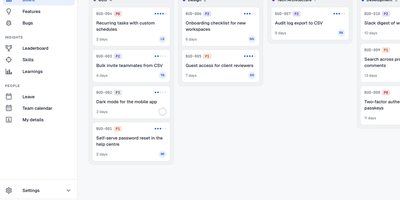
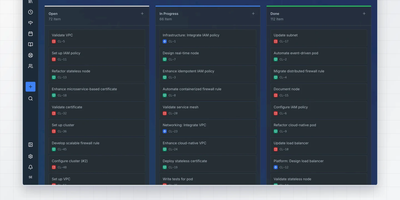
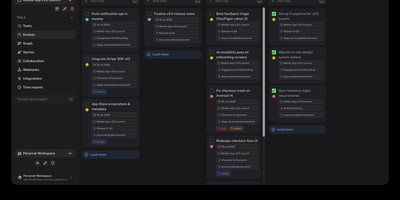
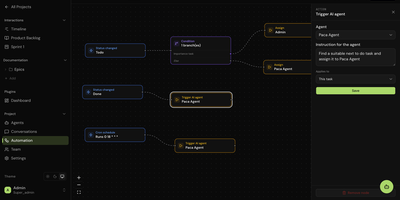
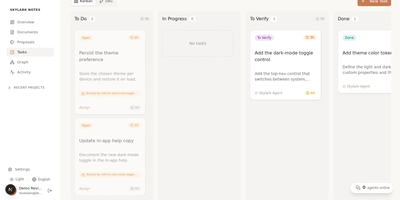
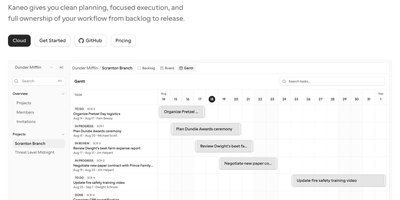
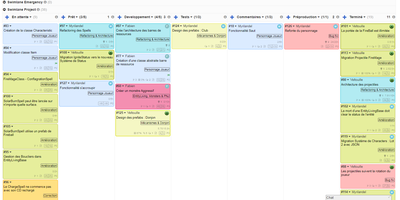
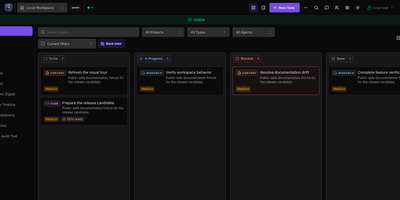
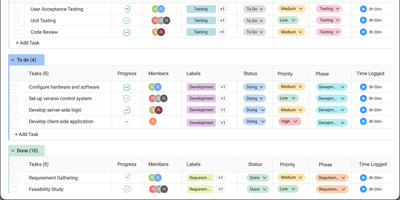
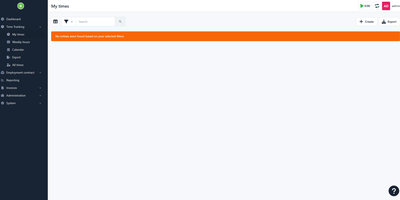
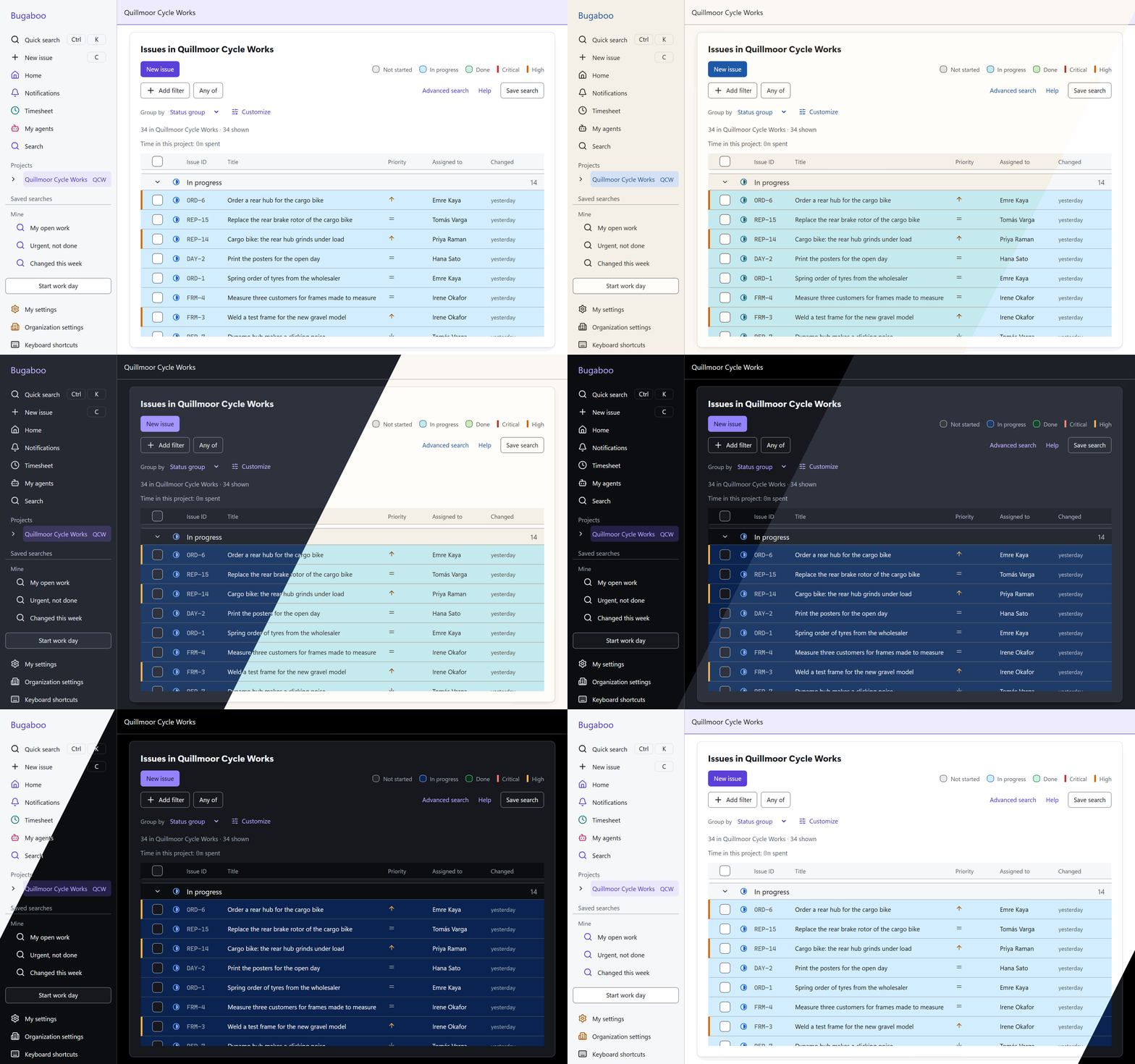
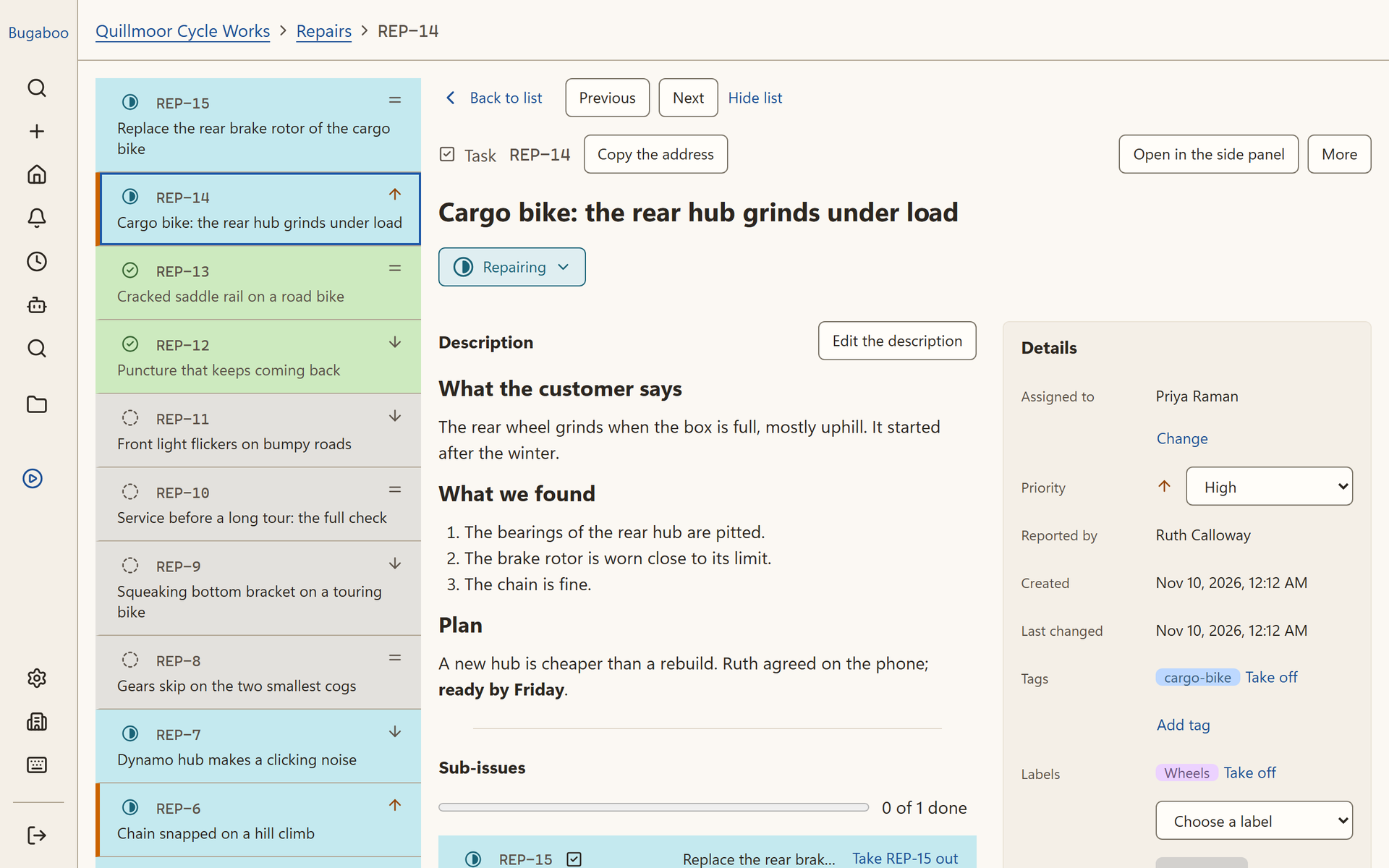
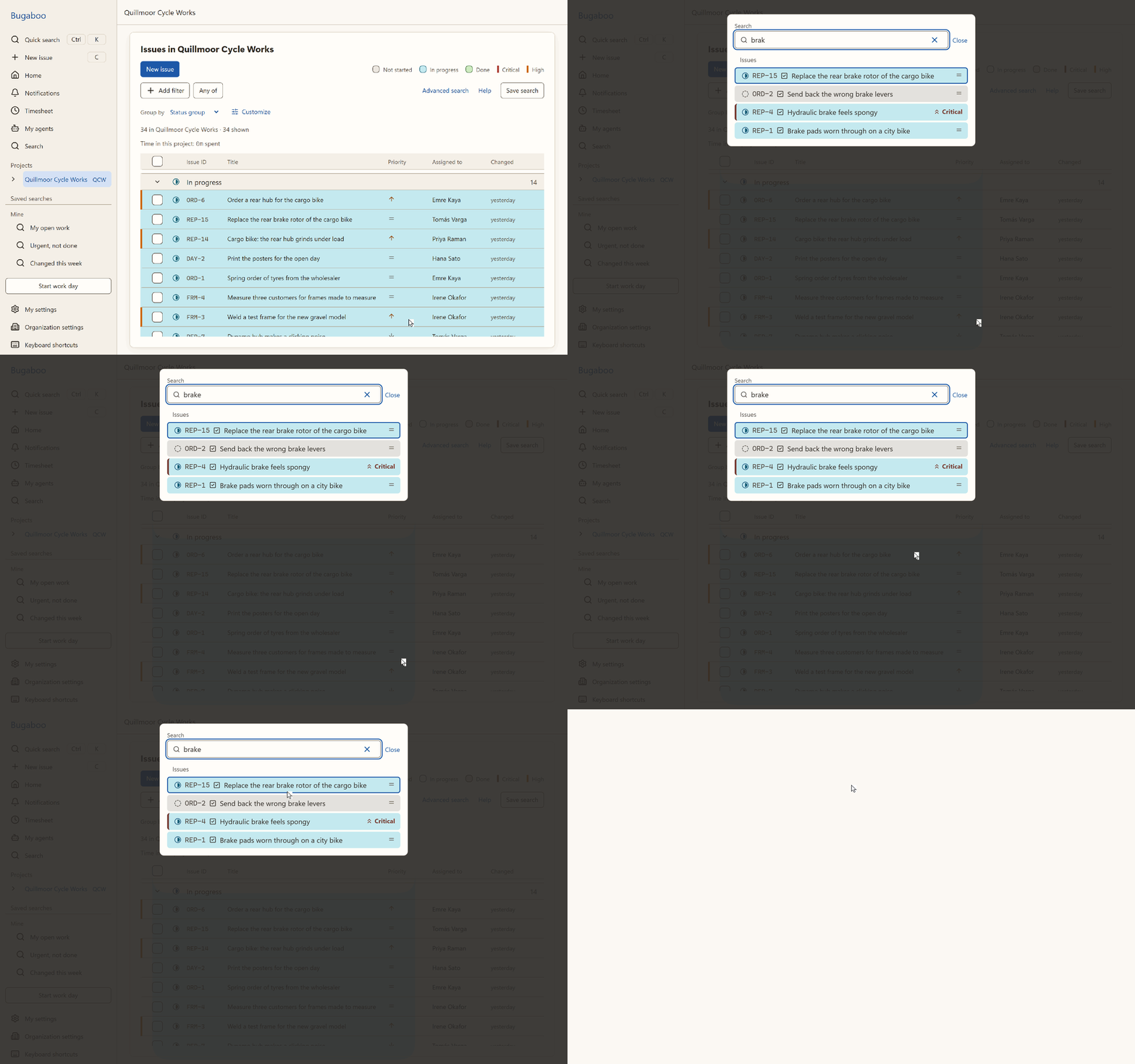
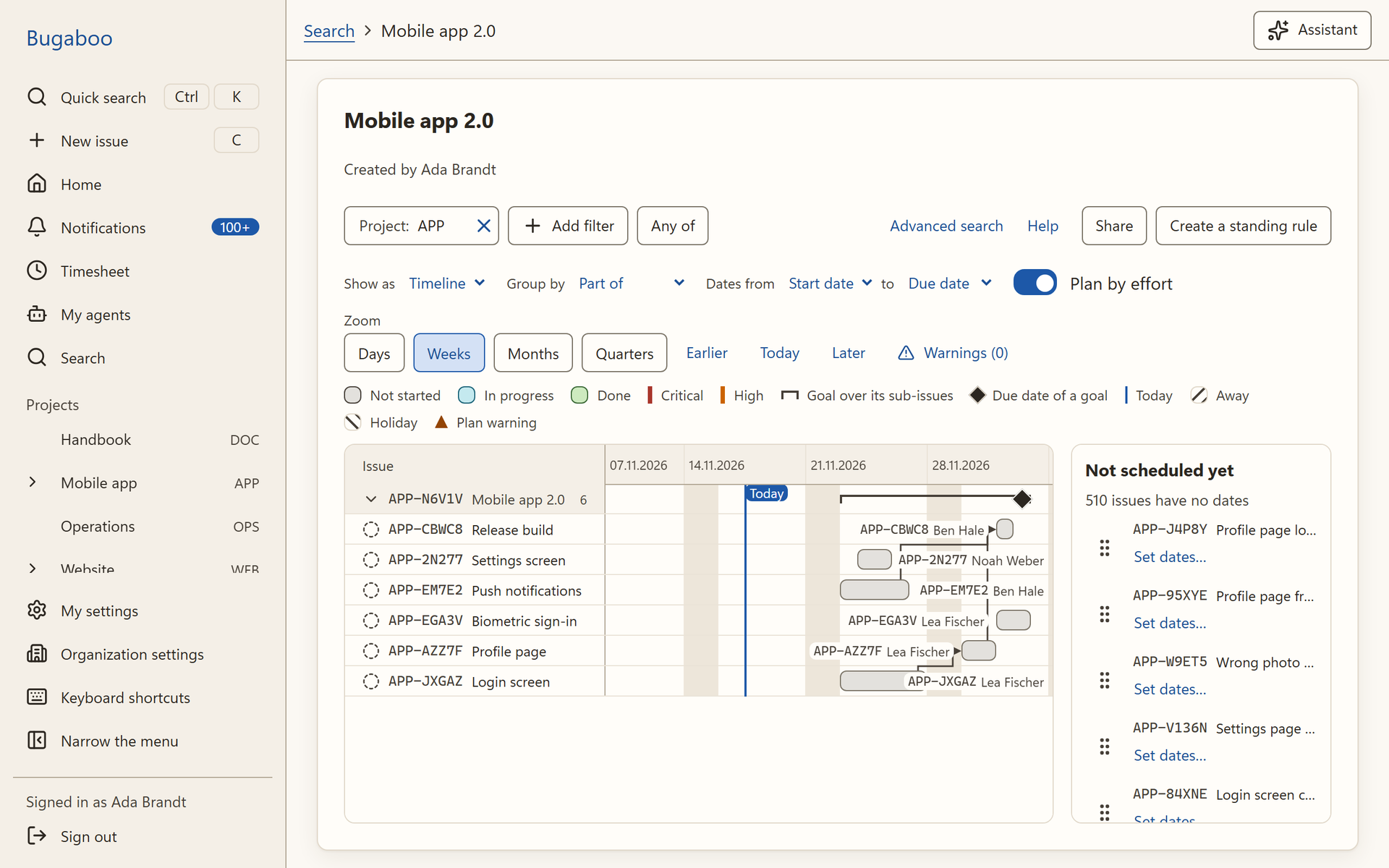
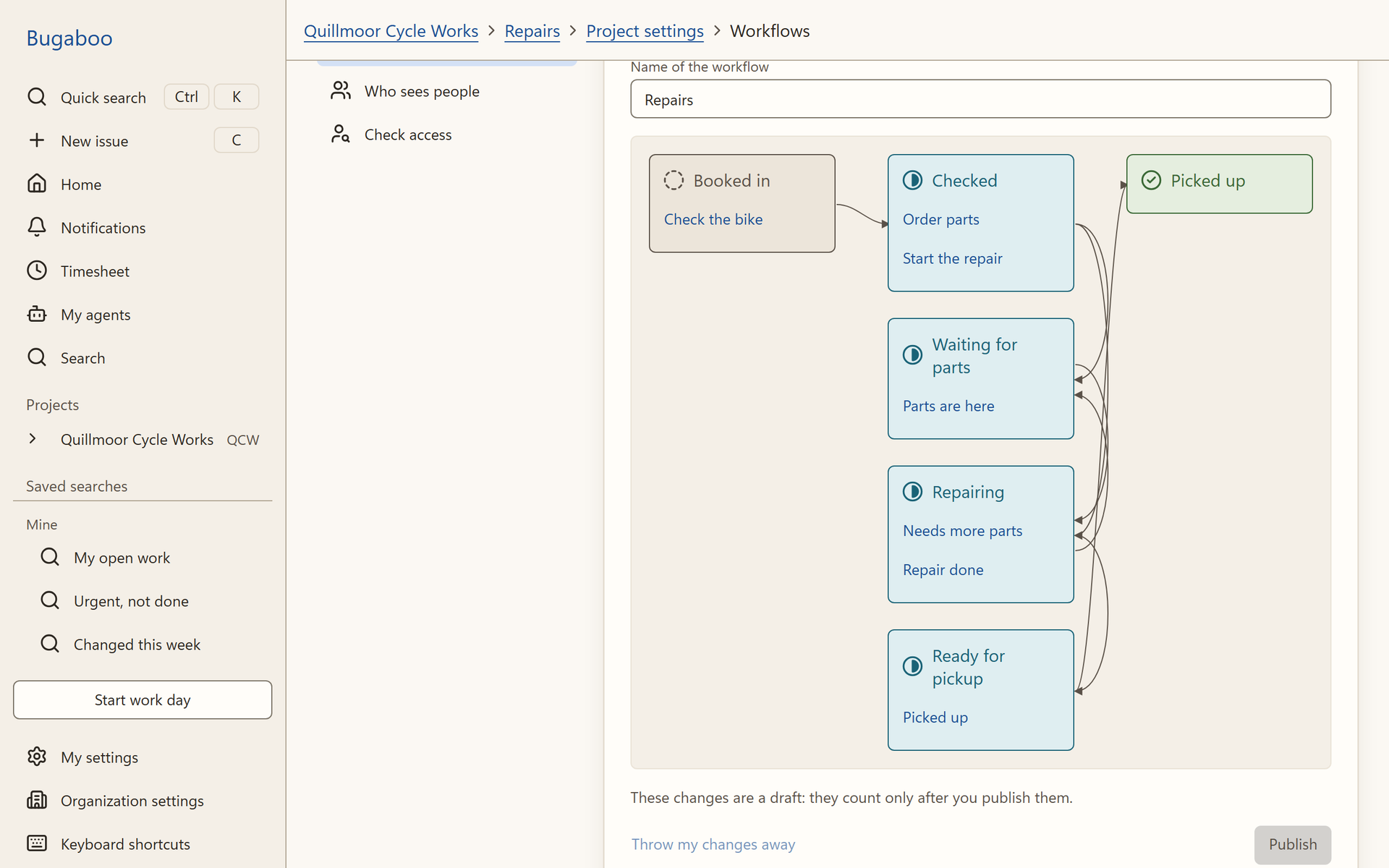
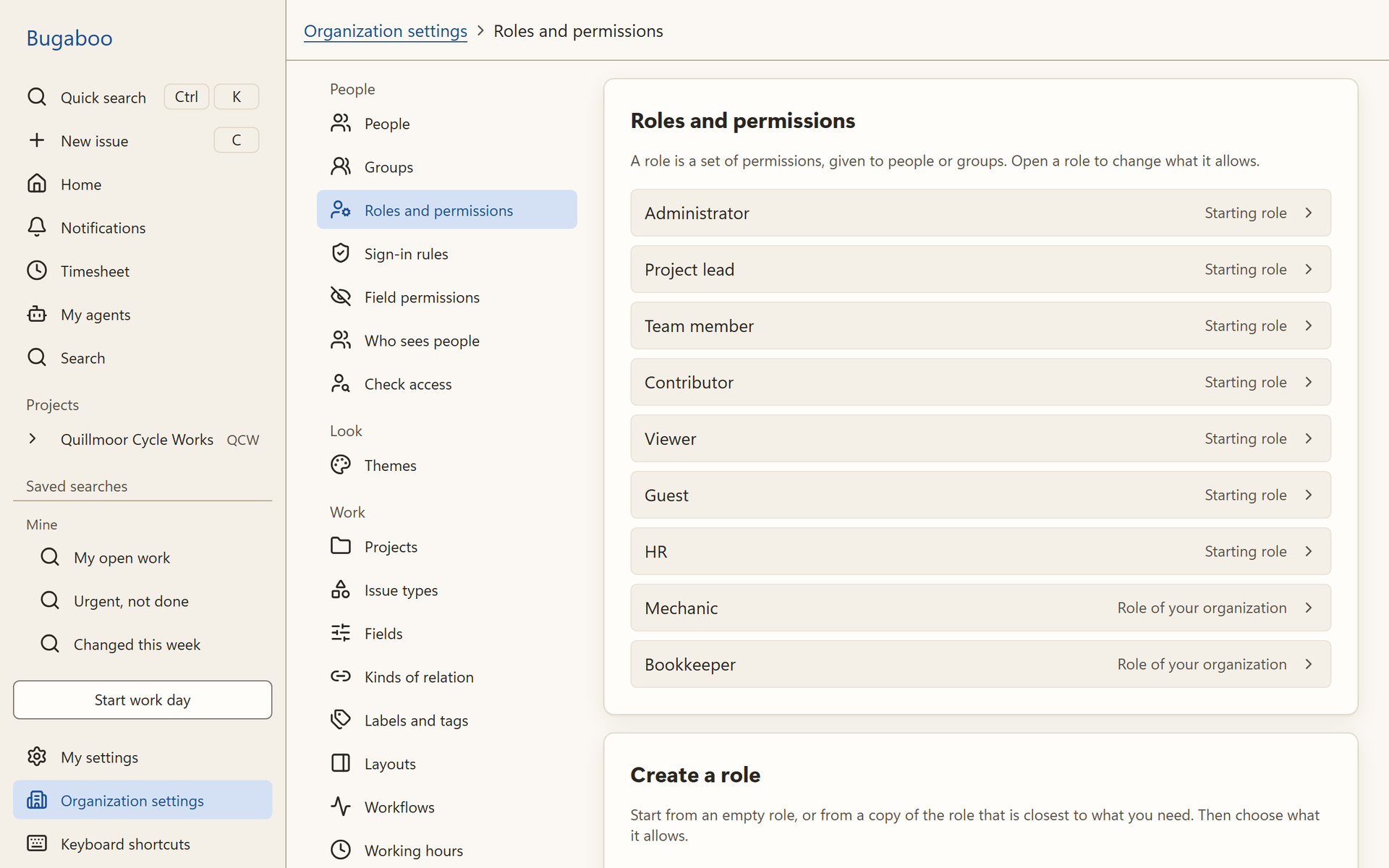
From a workshop's repair queue to a software team's bug list, Bugaboo tracks each piece of work as an issue that people and AI agents can pick up. Every project keeps its own roles and fields. Workflows are maps of statuses and steps that you edit as a draft, try out, and publish when they are right. Ctrl+K opens quick search over issues, projects, and pages, and a visual query builder answers questions like everything about brakes that is not done. Any list can switch to a timeline with dependency arrows between bars, and Plan by effort works the bars out from estimates, working hours, and days away. A timer or a manual entry feeds a weekly timesheet that warns about working-time rules. Agents get only the issues a person hands over. They work in attempts with a plan, steps, and results, and ask a question on the issue when stuck. Accept the result, send it back with a note, or throw it away and undo every change in one step. Claude Code and other AI apps sign in through MCP and act as you, never with more rights. AI is off at the start, and an administrator enables each kind separately. Screens use plain words and fit phones, tablets, and computers, and everyone can download their own data. Running on a dedicated VPS on RepoCloud with guaranteed CPU, RAM, and SSD, full root SSH access, and a browser serial console. AGPL-3.0 licensed.
Benefits
- Agents work only with permission
- An agent has at most its person's rights, touches only issues handed over, and keeps every change inside a run that one Throw away click undoes, comments included.
- Plan with timelines and timesheets
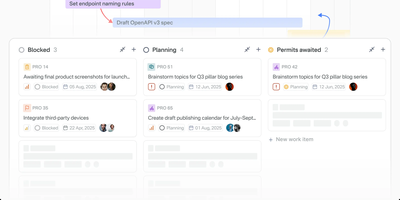
- Any list becomes a timeline with dependency arrows and plan warnings, Plan by effort schedules from estimates and days away, and timesheets warn about working-time rules.
- Plain words on every screen
- Screens use the same everyday words everywhere, with a glossary behind them, and work by keyboard, with a screen reader, and on phones, tablets, and computers alike.
- Privacy and ownership by design
- No tracking, no outside scripts or fonts, a built-in database, nightly backups, and tools to export or remove a person's data; nothing leaves your server unless an administrator enables e-mail or AI.
Features
- Rust and axum Server
- A modular monolith in one Rust program with a pure domain core, an axum HTTP and OpenAPI layer, and rustls for HTTPS, running on Linux or Windows.
- React and TanStack Frontend
- The browser app uses React with TanStack Router and Query and React Aria components, and talks to the server only through a generated TypeScript API client.
- SQLite or PostgreSQL Storage
- The schema is written once in Rust and runs on SQLite or PostgreSQL, with tests on both; setup offers a built-in database or a PostgreSQL server through database_url.
- MCP Endpoint for AI
- Agents connect over MCP at /mcp with their own keys, AI apps sign in as a person, and every tool runs through the same rule engine as a click.
- Search Language in WebAssembly
- One Rust crate implements the search language, compiled to WebAssembly so the browser's search box behaves exactly like the server, with a visual builder on top.
- Signed Releases and Backups
- Releases carry SHA256SUMS with a minisign signature, backups run every night and restore with bugaboo restore, and a failed upgrade puts the backup back.