Categories
Self-Hosted Go Inventory Management Lightweight Home Organization Asset Tracking QR CodesStars
Forks
Watchers
Developer links
Homebox
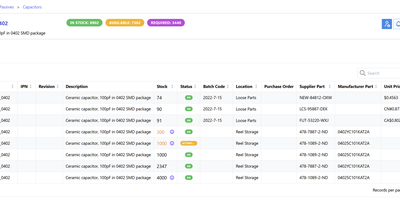
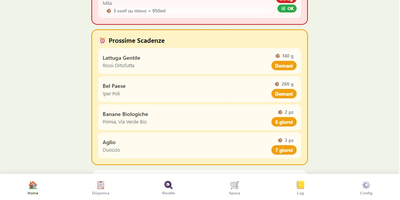
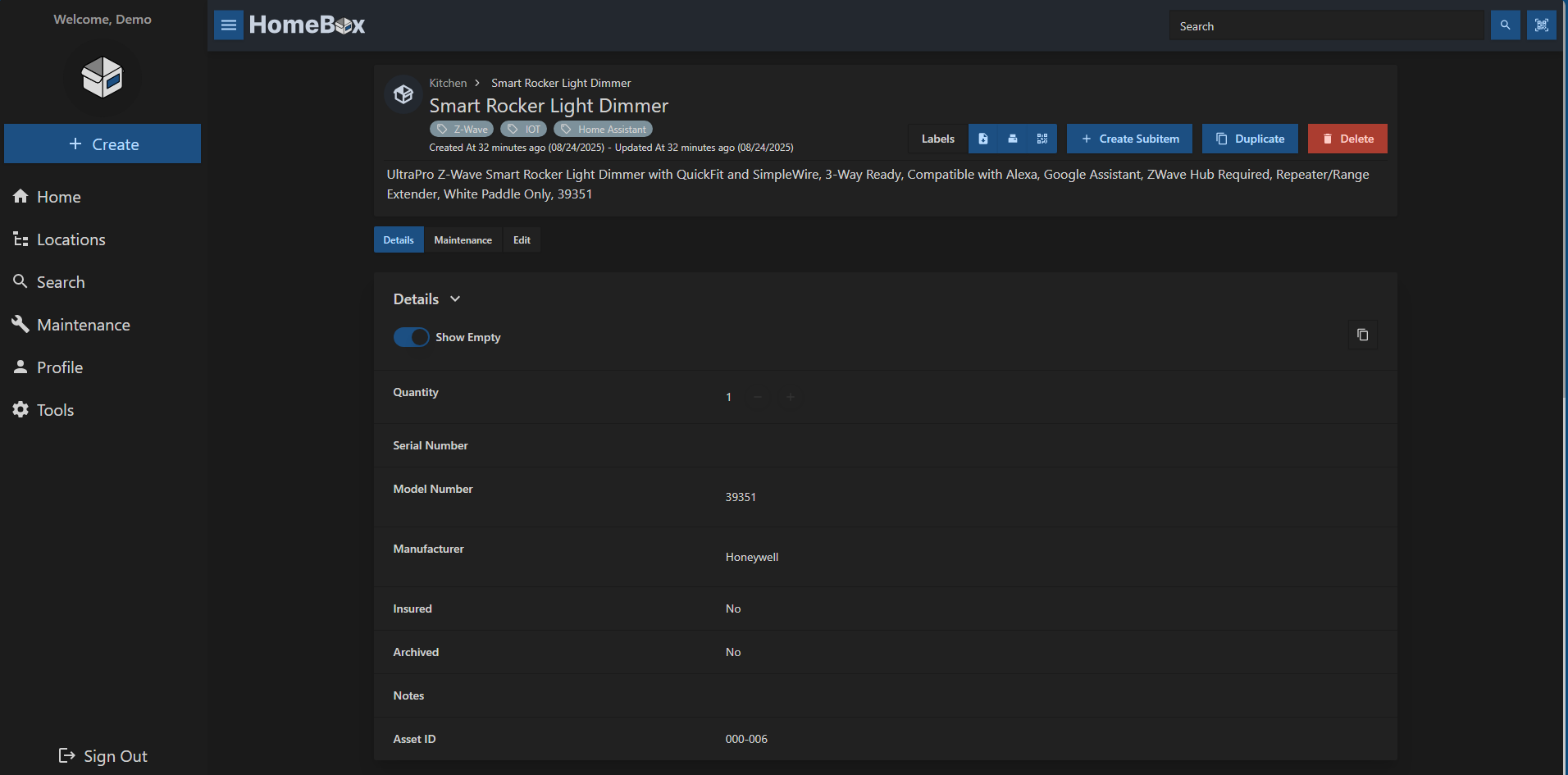
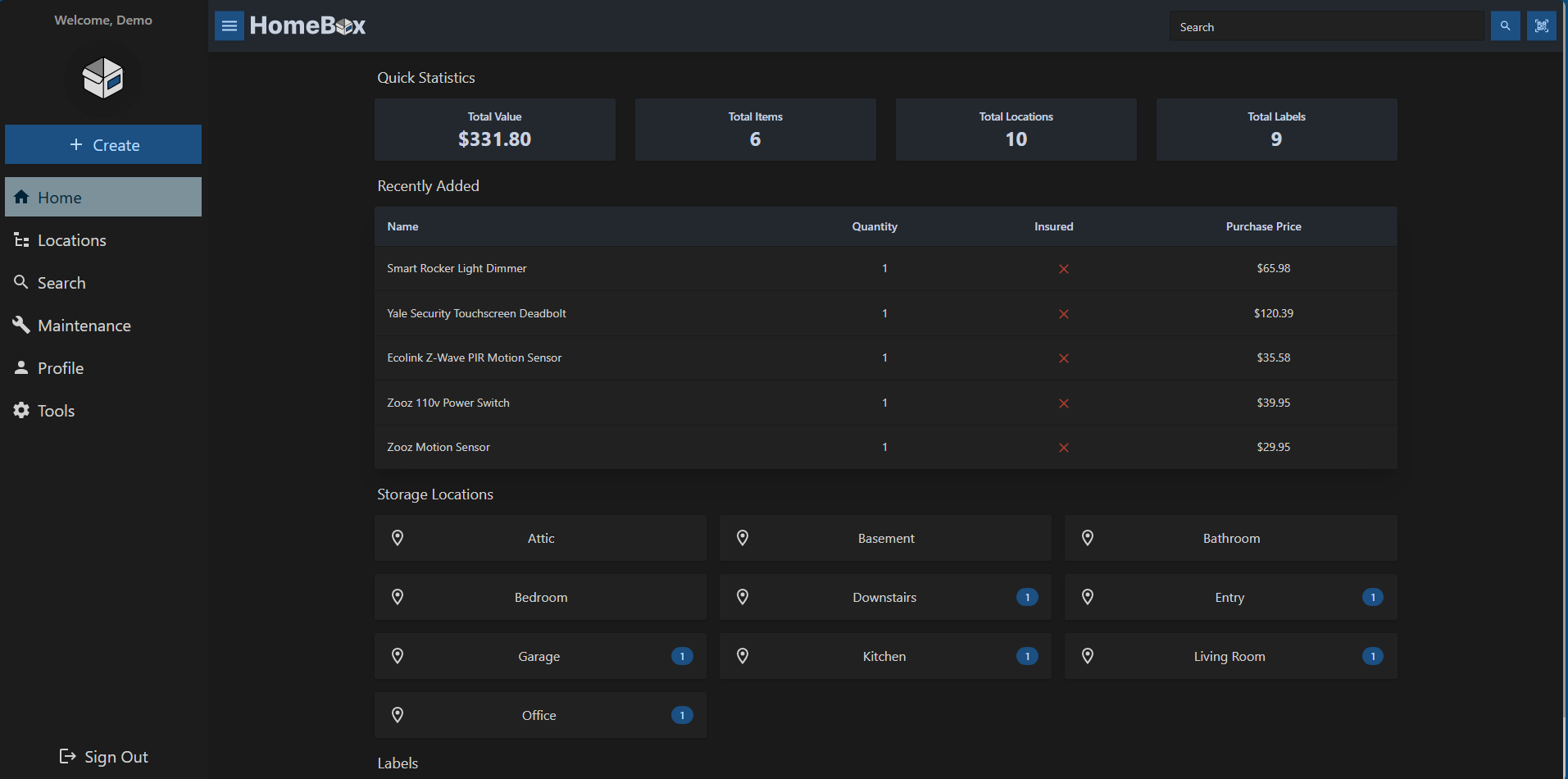
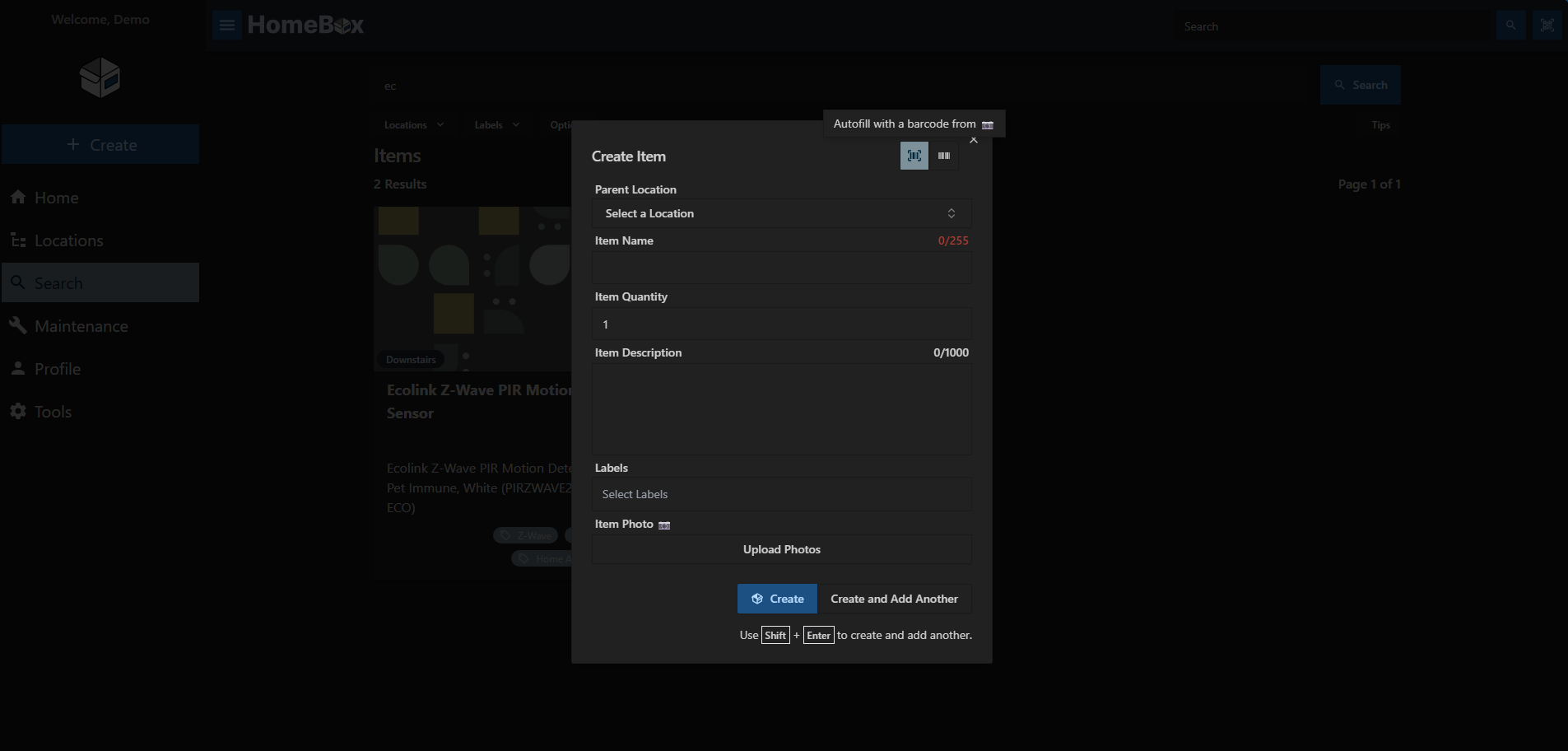
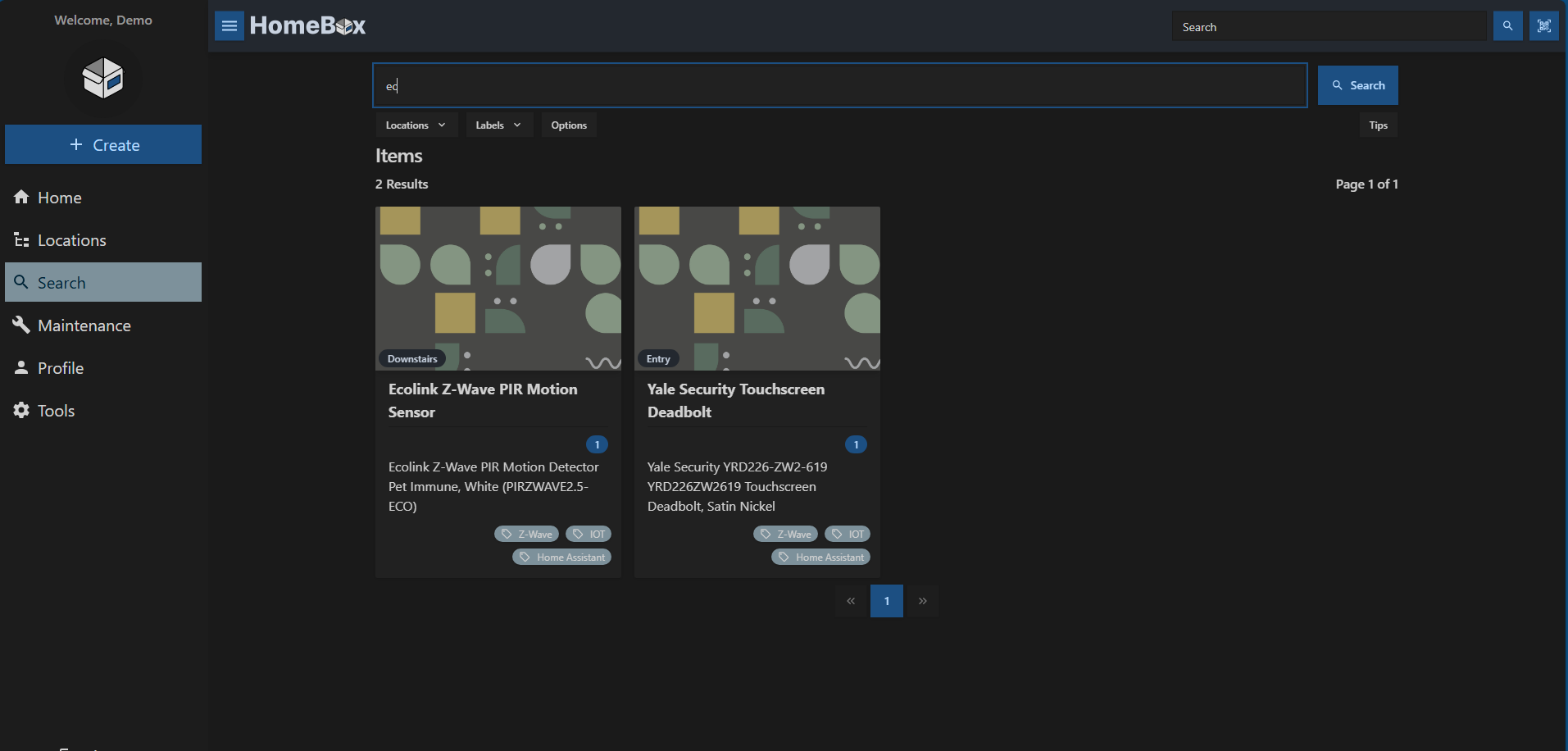
With over 7,000 GitHub stars and active community maintenance through version 0.26.0 released in June 2026, Homebox fills the gap between inadequate spreadsheets and overcomplicated enterprise asset management by providing a purpose-built inventory system designed specifically for home users, families, and small groups. The Go backend with SQLite storage deploys as a single Docker container consuming under 50MB of RAM at idle, running on hardware as modest as a Raspberry Pi while the responsive web interface adapts seamlessly across desktops, tablets, and smartphones. The entity-based architecture introduced in v0.26 unifies items and locations into a shared structure supporting custom fields, attachments, entity types, and reusable templates for consistent data entry across inventory categories. QR code generation creates printable labels that scan with any smartphone camera to instantly display item details, photos, serial numbers, and associated documents. Warranty tracking records purchase dates, prices, and expiration dates while maintenance scheduling sends reminders for recurring service tasks. Location hierarchies organize items spatially with nested sub-locations, and flexible label tagging enables cross-cutting categorization beyond physical placement. Multi-user support shares collections with family members or roommates with OIDC single sign-on integration for Active Directory, Okta, and other identity providers. CSV import and export handles bulk operations, while the full REST API enables automation and third-party integrations. Collection-level ZIP export packages complete inventories with attachments for backup or migration. Running on a dedicated VPS on RepoCloud with guaranteed CPU, RAM, and SSD, full root SSH access, and a browser serial console. AGPL-3.0 licensed.
Benefits
- Purpose-Built for Home Inventory
- Designed specifically for home users, families, and small groups — simpler and faster than enterprise asset management without unnecessary complexity or configuration overhead.
- QR Code Physical Item Labels
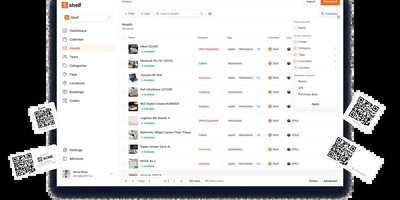
- Generate and print QR code labels that scan with any smartphone camera to instantly display item details, photos, serial numbers, warranty information, and documents.
- Under 50MB Memory Footprint
- Go binary with embedded SQLite consumes under 50MB RAM at idle, running on Raspberry Pi through production servers with zero external dependencies required.
- Warranty and Maintenance Tracking
- Record purchase dates, prices, and warranty expiration dates with maintenance scheduling that tracks recurring service tasks and sends reminders for upcoming deadlines.
Features
- Location Hierarchy Organization
- Nested location structures organize items spatially with sub-locations, while flexible label tagging enables cross-cutting categorization beyond physical placement.
- Custom Fields and Templates
- Entity types with custom fields capture item-specific metadata like serial numbers and model numbers, with reusable templates ensuring consistent data entry.
- CSV Import and Export
- Bulk import items from CSV files and export complete inventories for backup, migration, or analysis with collection-level ZIP packages including attachments.
- OIDC Single Sign-On
- Integrate with Active Directory, Okta, and other identity providers through OpenID Connect for enterprise-grade authentication in multi-user household setups.
- Full REST API
- Complete REST API enables programmatic inventory management, third-party integrations, and custom automation workflows with built-in health check endpoints.