Categories
self-hosted mcp api gateway ai agents credential management permissions audit log api securityStars
Forks
Watchers
Developer links
Jentic One
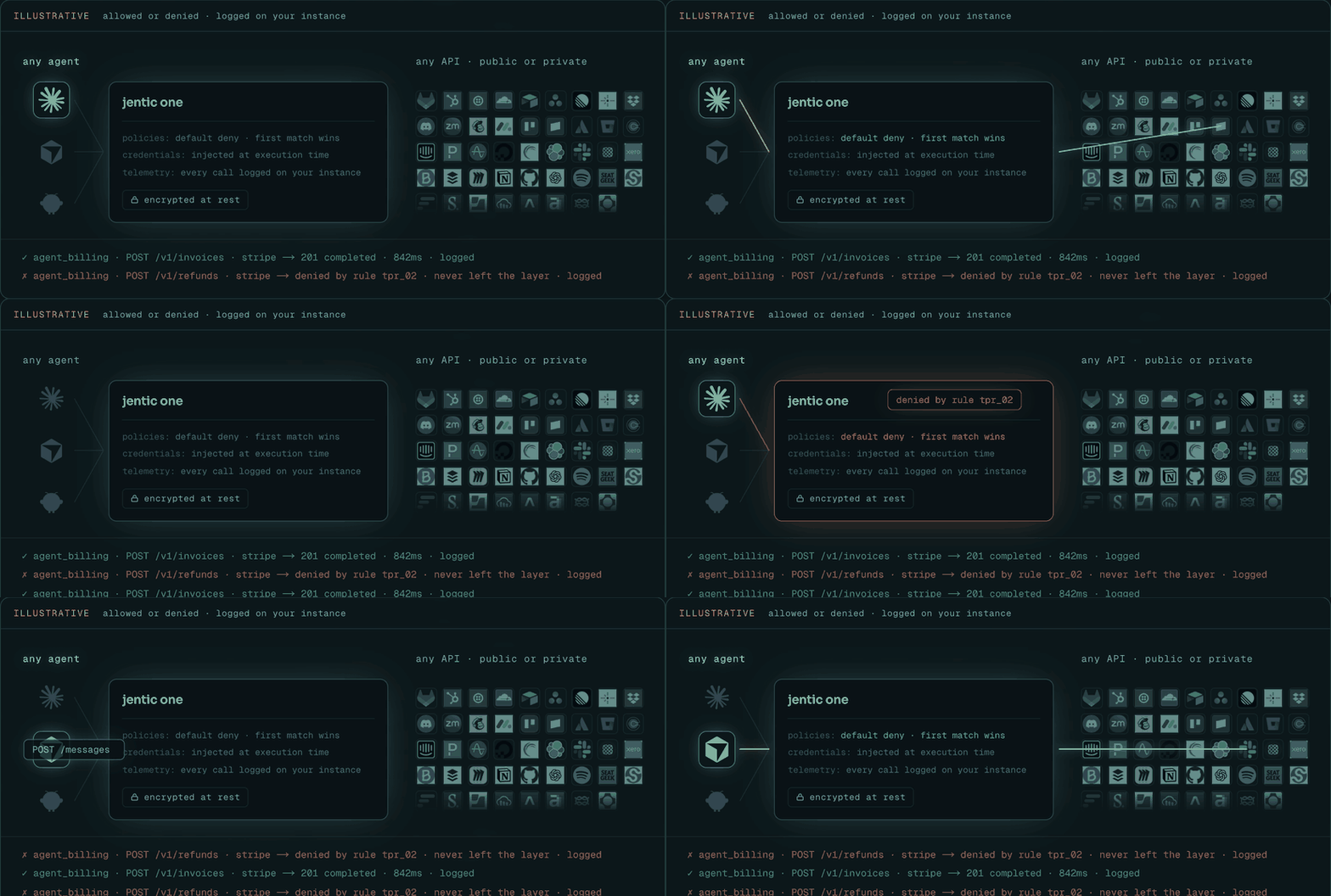
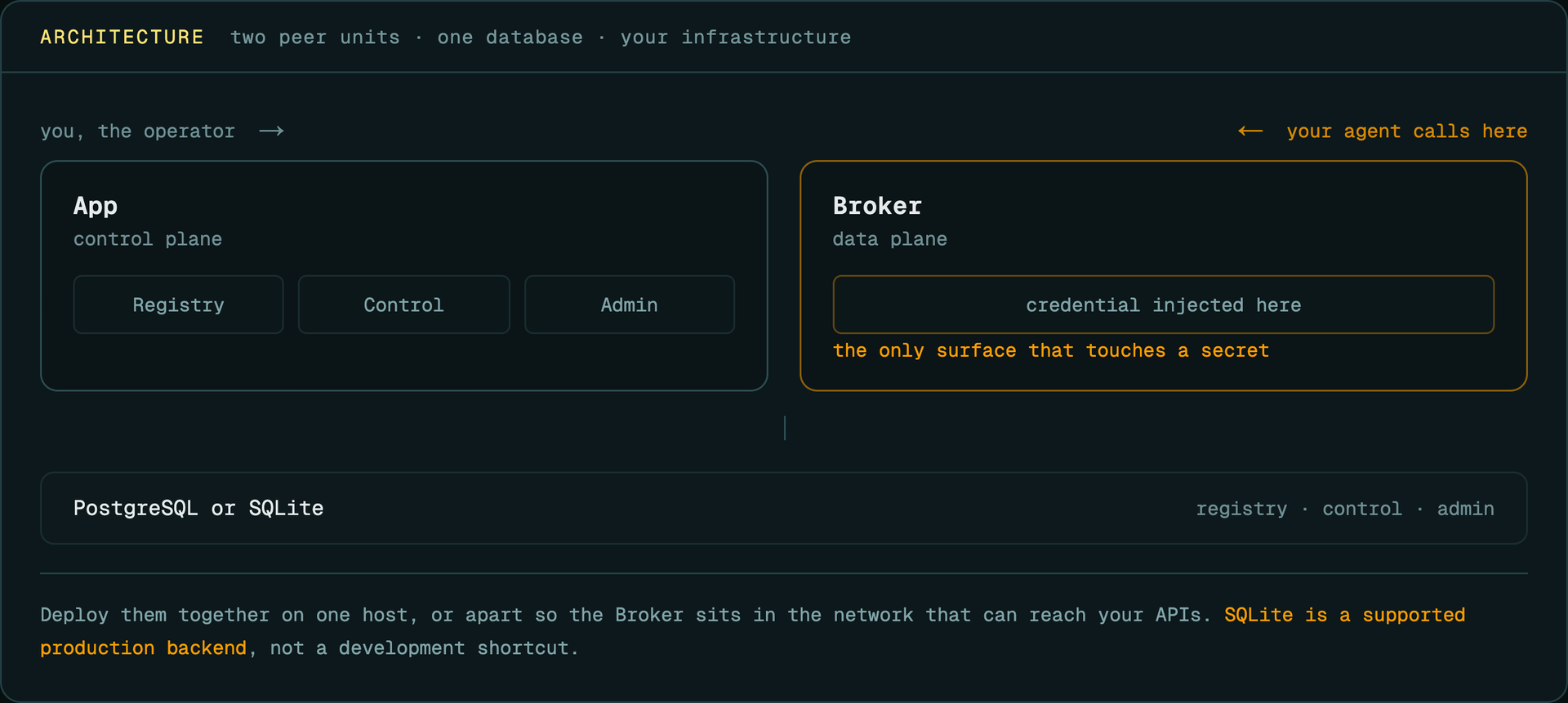
Jentic One is a self-hosted execution layer that lets AI agents call real APIs through a broker that checks permissions and injects stored credentials, so agents do useful work without ever holding your API keys. You register the APIs an agent may use, store each credential once on your own infrastructure, and approve which agents can connect. Every call the agent makes passes the permission check first, and denied requests stop at the broker with a 403 instead of reaching the outside service. Allowed calls go out with the credential attached, and each one lands in an execution record you can review later. Cutting off a single agent takes one change in the control plane, with no key rotation across your other tools. Agents connect through the jentic CLI, a generated skill, an MCP server, or plain HTTP, so coding assistants and in-house agents share the same gate. The stack runs as two units over one database: the control plane on port 8000 for administration, and the broker data plane that agents call. Quickstart runs on SQLite for trials, and production setups move to Postgres with pinned images and TLS. Running on a dedicated VPS on RepoCloud with guaranteed CPU, RAM, and SSD, full root SSH access, and a browser serial console. Apache-2.0 licensed.
Benefits
- Keys Stay Off Agent Machines
- Credentials live encrypted on your server and enter requests only after the broker approves them, so a compromised or curious agent cannot read, leak, or reuse your production API keys elsewhere.
- Per-Agent Permission Boundaries
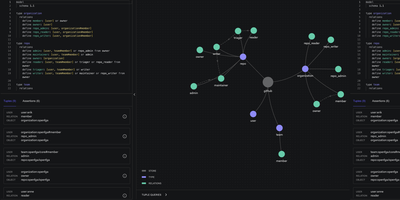
- Each registered agent gets scoped rules for the APIs and operations it may call, and denied requests stop at the broker with a 403 before anything reaches the outside service.
- Revoke Without Rotating Keys
- Disabling one agent in the control plane ends its access immediately. Every other tool and agent keeps working with the same stored credentials, untouched and unrotated.
- Every Call On Record
- The broker writes an execution record for allowed and denied calls alike, giving security reviews and incident investigations a complete trail of what each agent did and when.
Features
- Credential Broker Data Plane
- The broker checks permissions per request, injects the stored credential after approval, forwards the call to public or private APIs, and records the outcome.
- Web Control Plane
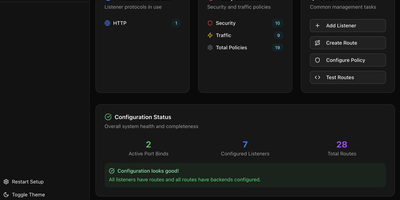
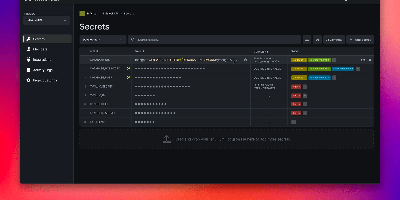
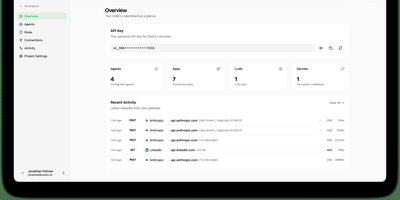
- Register APIs, store encrypted credentials, approve agent connections, and manage rules from the browser interface served on port 8000.
- Four Agent Connection Modes
- Agents connect through the jentic CLI, a generated skill file, an MCP server endpoint, or plain HTTP requests against the broker.
- Encrypted Credential Storage
- Stored secrets are encrypted with an install-specific key, and the same code and security model run in the open-source build as in other installs.
- SQLite Or Postgres Storage
- The Docker quickstart runs both units over SQLite for trials, and production deployments switch to PostgreSQL with pinned images and TLS.
- Helm And Docker Deployment
- Run the stack with Docker Compose, plain docker run commands, systemd units, or the Helm chart for Kubernetes clusters.