Stars
Forks
Watchers
Developer links
Nanobot
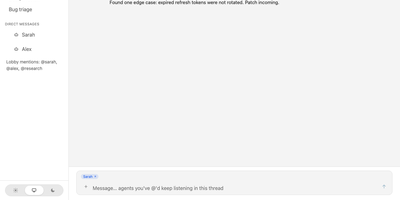
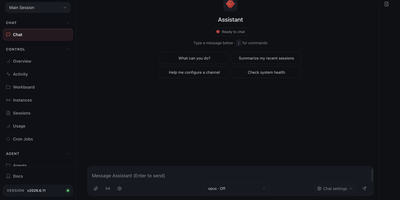
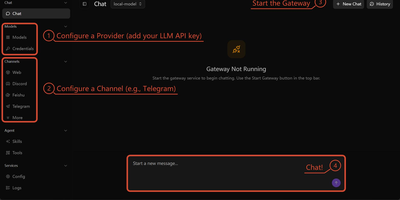
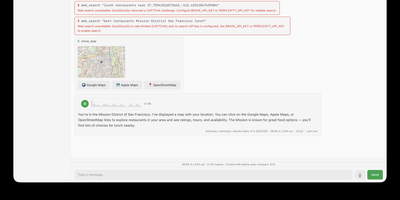
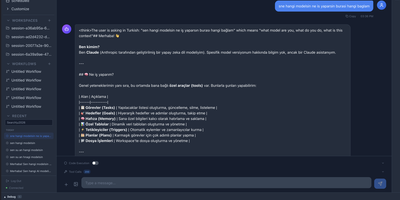
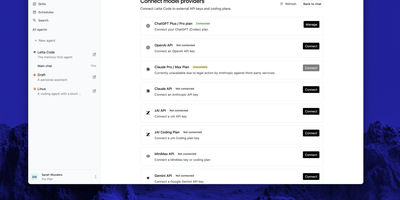
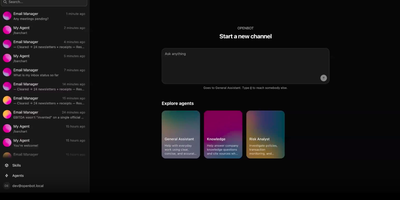
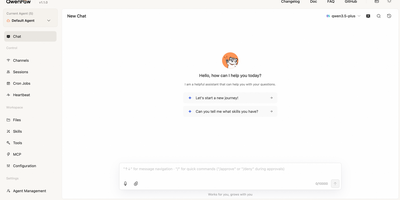
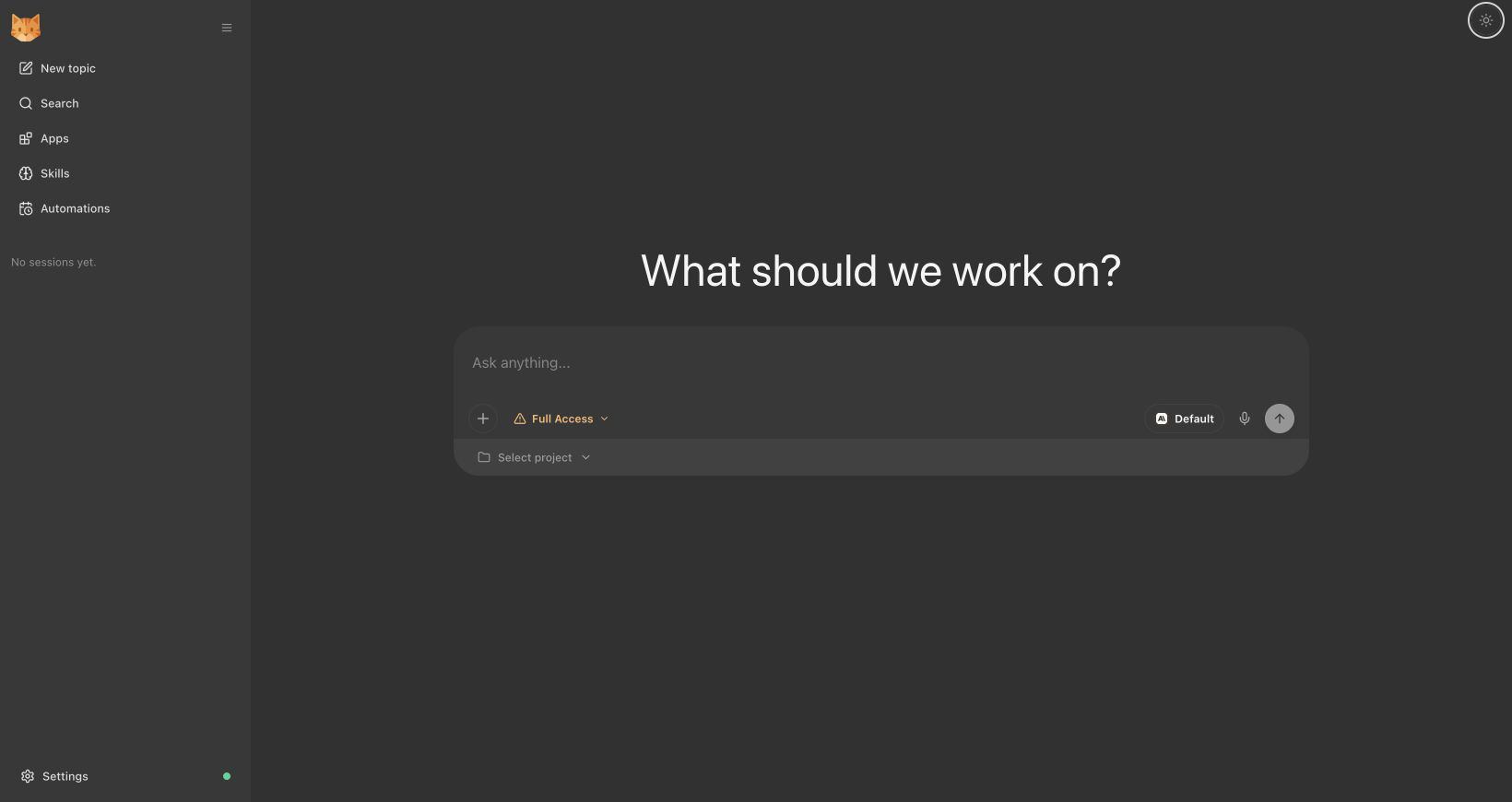
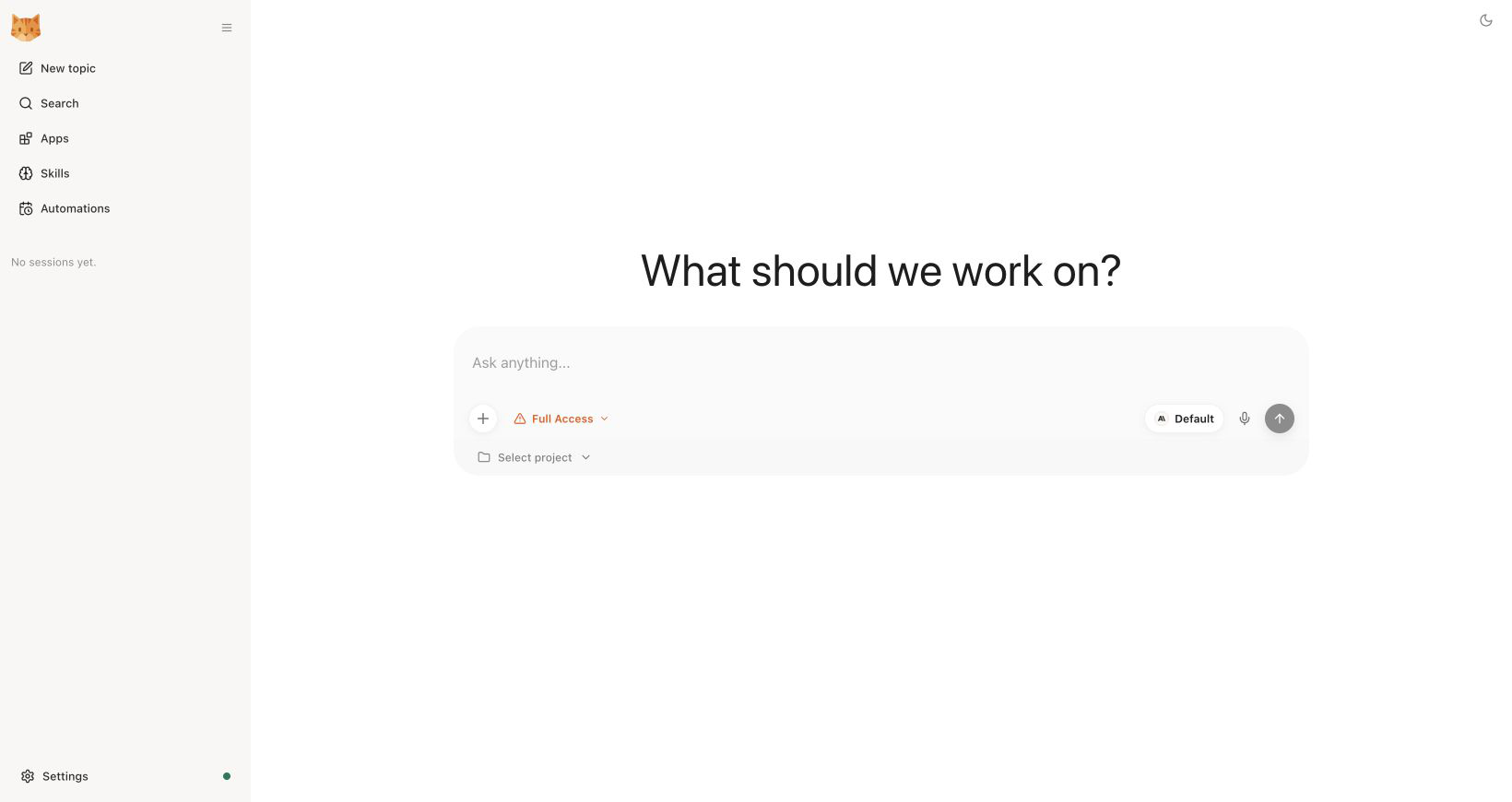
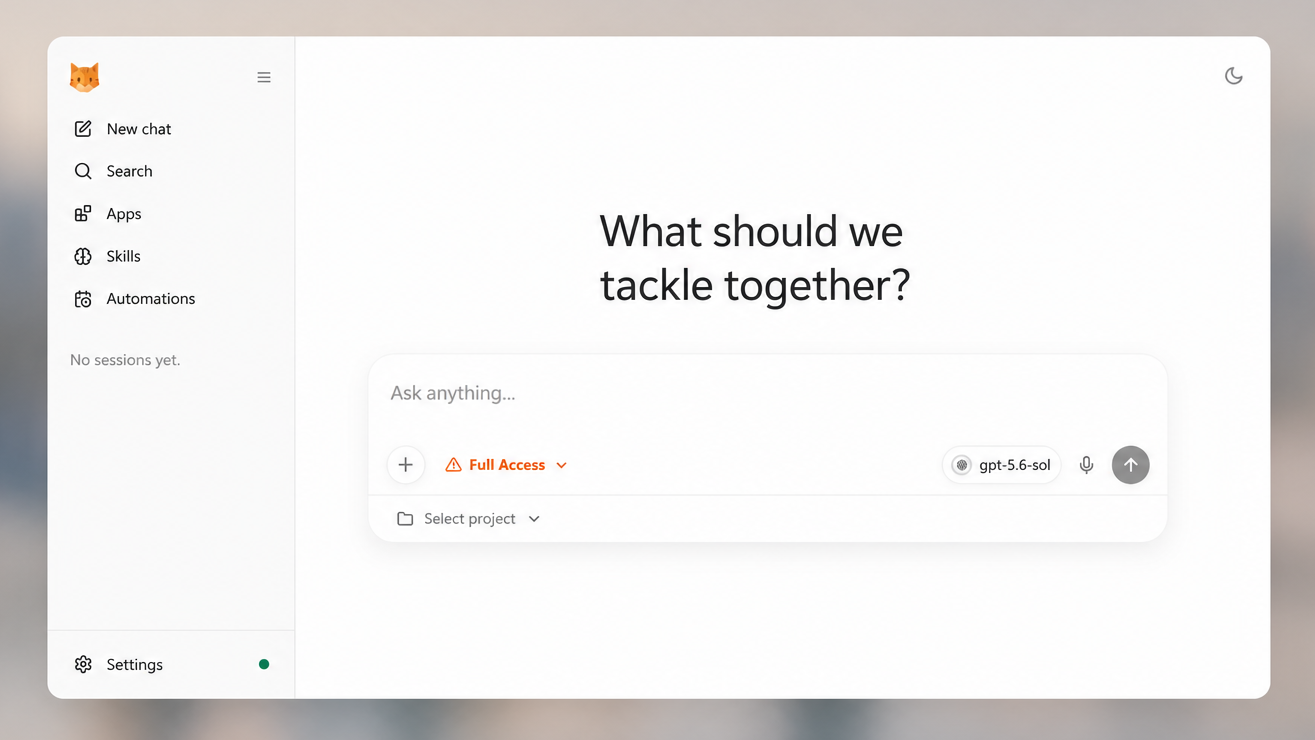
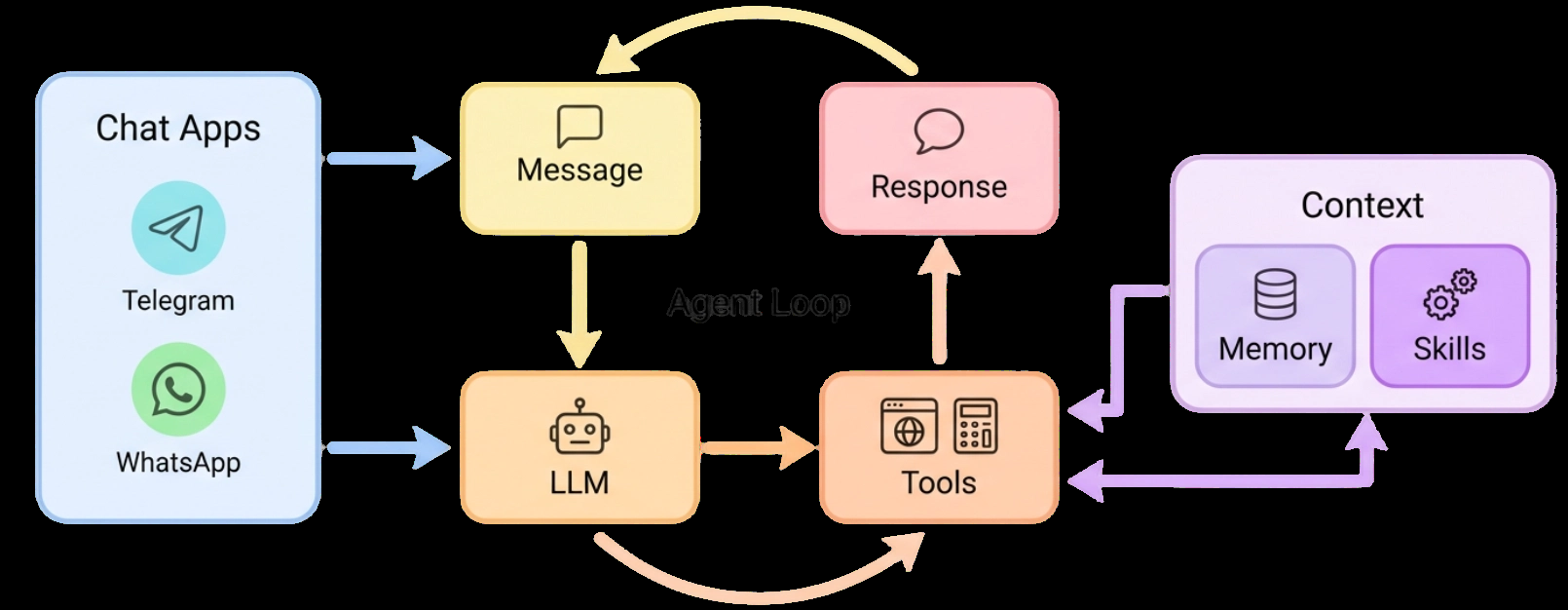
With over 46,000 GitHub stars, nanobot is the ultra-lightweight personal AI agent framework that delivers full agentic capabilities — tools, persistent memory, multi-agent workflows, scheduled automation, and 10+ chat channel integrations — in approximately 4,000 lines of readable Python core code. The agent loop receives messages from any connected channel, builds context from session history and long-term memory files, calls the configured LLM provider, executes requested tools, and publishes replies back to the originating channel. Supported LLM providers include OpenAI, Anthropic, Google Gemini, DeepSeek, Qwen via DashScope, Moonshot/Kimi, Ollama, vLLM for local models, and any OpenAI-compatible API through OpenRouter or LiteLLM. Chat channels connect the agent to Telegram, Discord, Slack, WhatsApp, Feishu/Lark, DingTalk, Email via IMAP/SMTP, QQ, Matrix with end-to-end encryption, Mattermost, and the built-in browser WebUI served from the published Python wheel with no separate frontend build. Built-in tools include filesystem read/write/edit, shell execution with configurable sandboxing via bubblewrap, web search and fetch with SSRF protection, MCP server integration, cron scheduling, image generation, and subagent spawning for parallel task delegation. The Dream memory system consolidates session history into persistent markdown files for long-term context retention across conversations. Deployment runs as a CLI agent, a persistent gateway server, a Docker container with Docker Compose, or an OpenAI-compatible API server. Running on a dedicated VPS on RepoCloud with guaranteed CPU, RAM, and SSD, full root SSH access, and a browser serial console. MIT licensed.
Benefits
- Ultra-Lightweight 4,000-Line Core
- The entire agent loop, tool execution, memory management, and provider abstraction fits in approximately 4,000 lines of readable Python, making the codebase easy to understand and extend.
- 10+ Chat Channel Integrations
- Connect to Telegram, Discord, Slack, WhatsApp, Email, Matrix, Feishu, DingTalk, QQ, Mattermost, and the built-in browser WebUI through a unified message bus architecture.
- Persistent Memory via Dream System
- The Dream consolidation system processes session history into persistent markdown files including MEMORY.md, SOUL.md, and USER.md for long-term context retention across conversations.
- Multi-Provider Model Routing
- Route requests to OpenAI, Anthropic, Gemini, DeepSeek, Qwen, Ollama, vLLM, and any OpenAI-compatible API with automatic fallback chains when primary providers are unavailable.
Features
- MCP Server Integration
- Connect to any Model Context Protocol server for extended tool capabilities with automatic discovery and configuration through the central config file.
- Sandboxed Tool Execution
- Shell commands run in configurable sandboxes via bubblewrap with workspace confinement, allowFrom whitelists, and SSRF protection for web fetch operations.
- Scheduled Automation
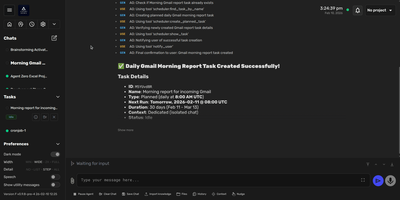
- Cron-based task scheduling and heartbeat triggers enable autonomous long-horizon goals with persistent checkpoints that survive process restarts and server reboots.
- OpenAI-Compatible API
- The built-in API server exposes /v1/chat/completions for programmatic access, enabling integration with existing tools and workflows expecting OpenAI endpoints.
- Multi-Agent Delegation
- Spawn background subagents for parallel task execution with independent sessions, tool access, and result aggregation back to the parent conversation context.