Categories
AI Agents Team Chat Real-Time Messaging Workplace Collaboration Backend Server Self-Hosted Slack Alternative Go ApplicationsStars
Forks
Watchers
Developer links
Octo Server
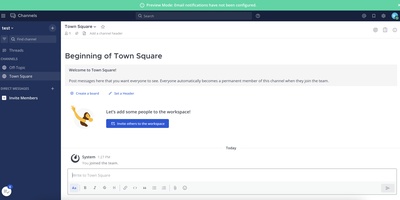
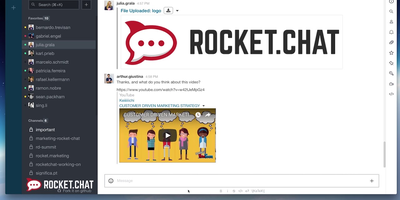
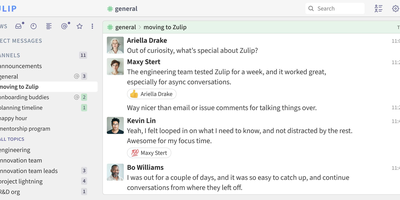
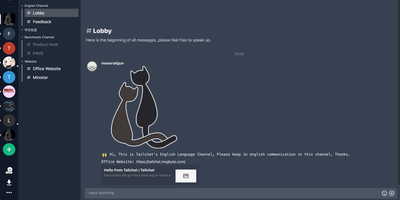
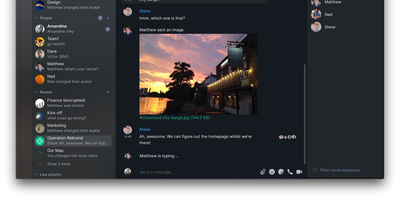
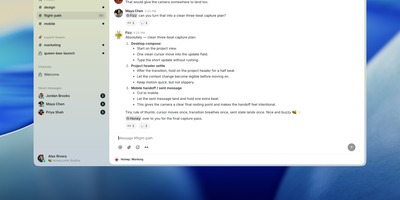
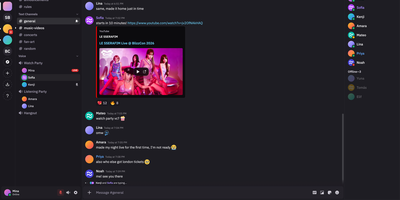
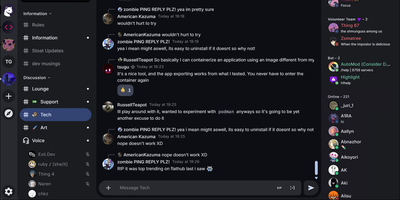
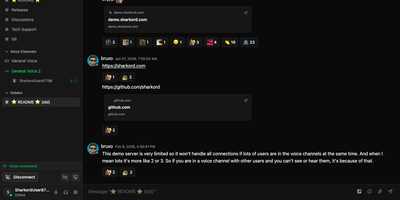
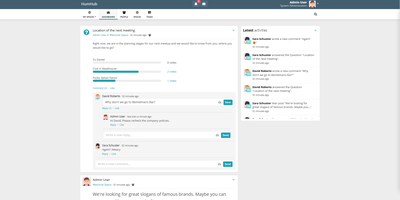
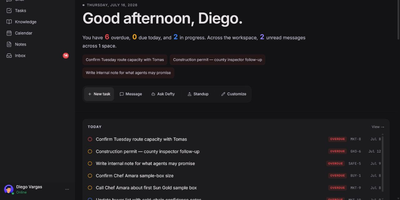
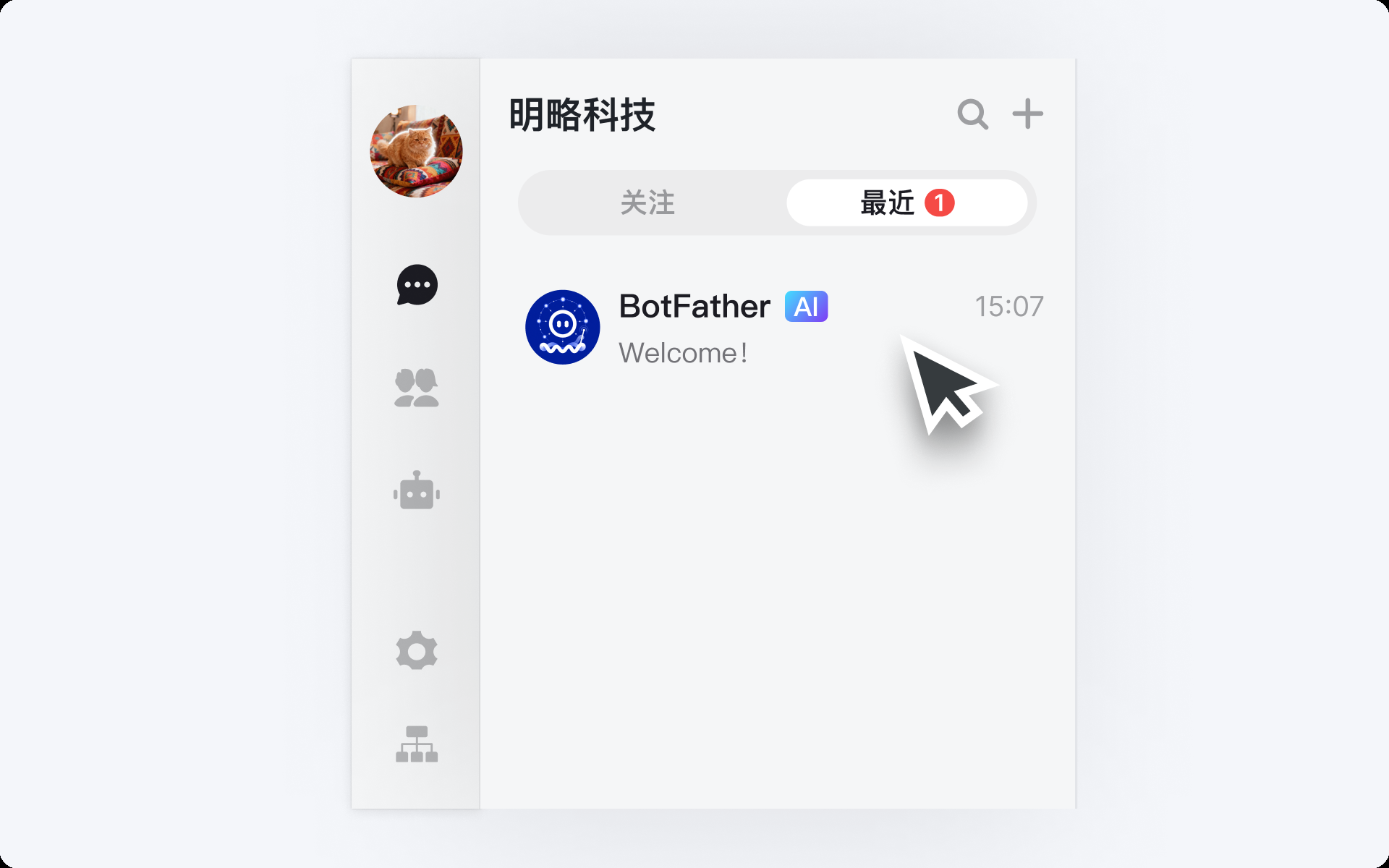
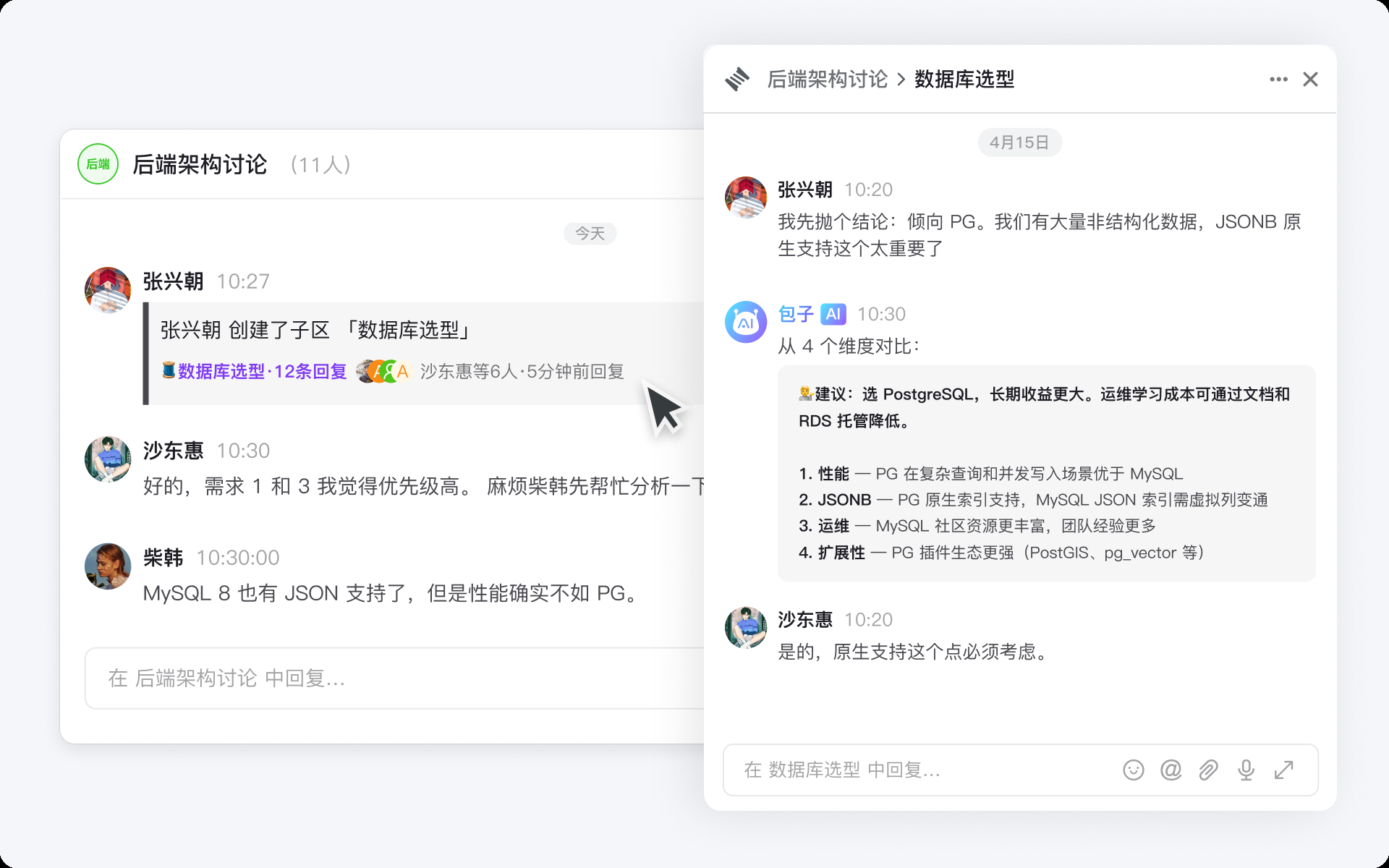
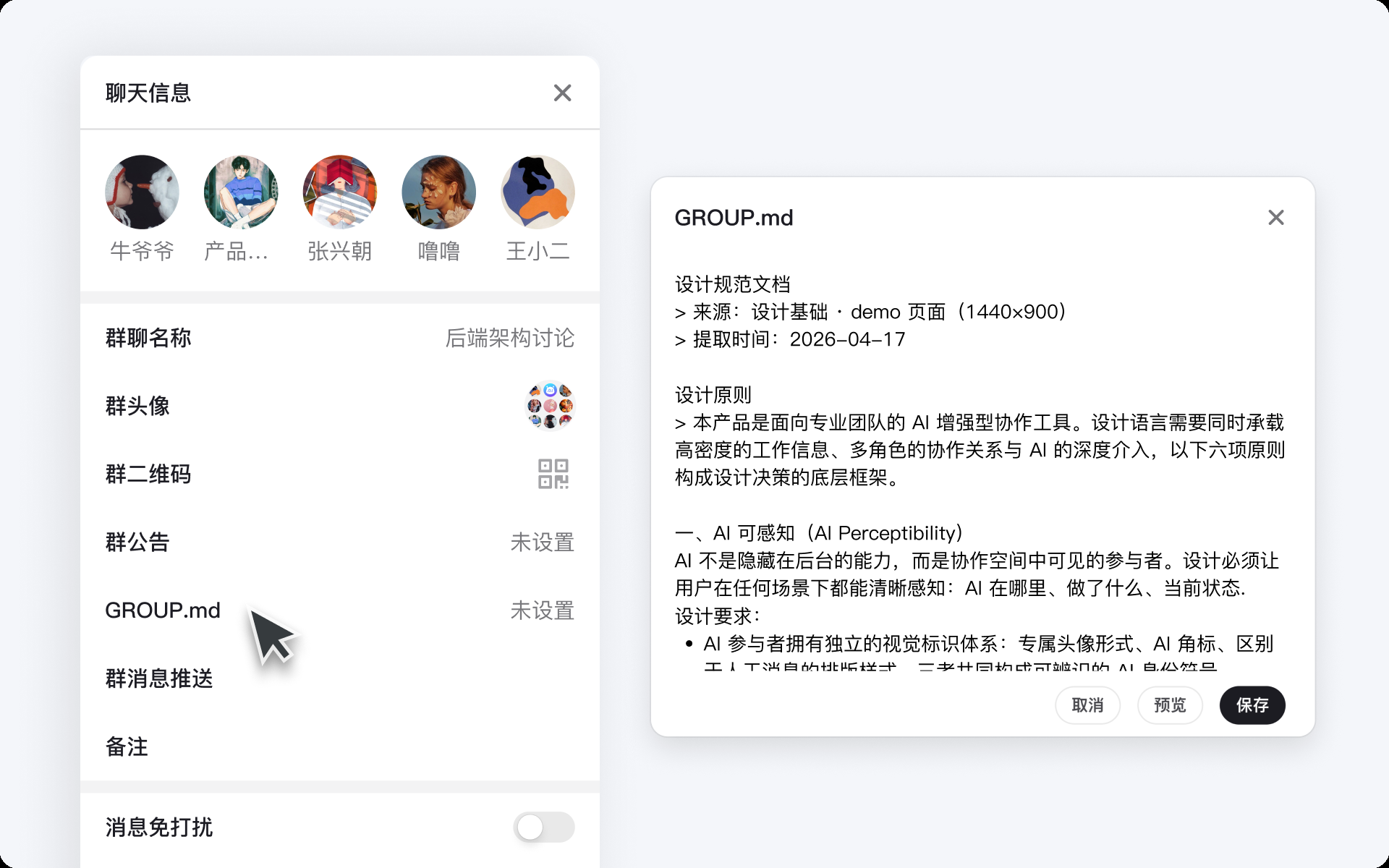
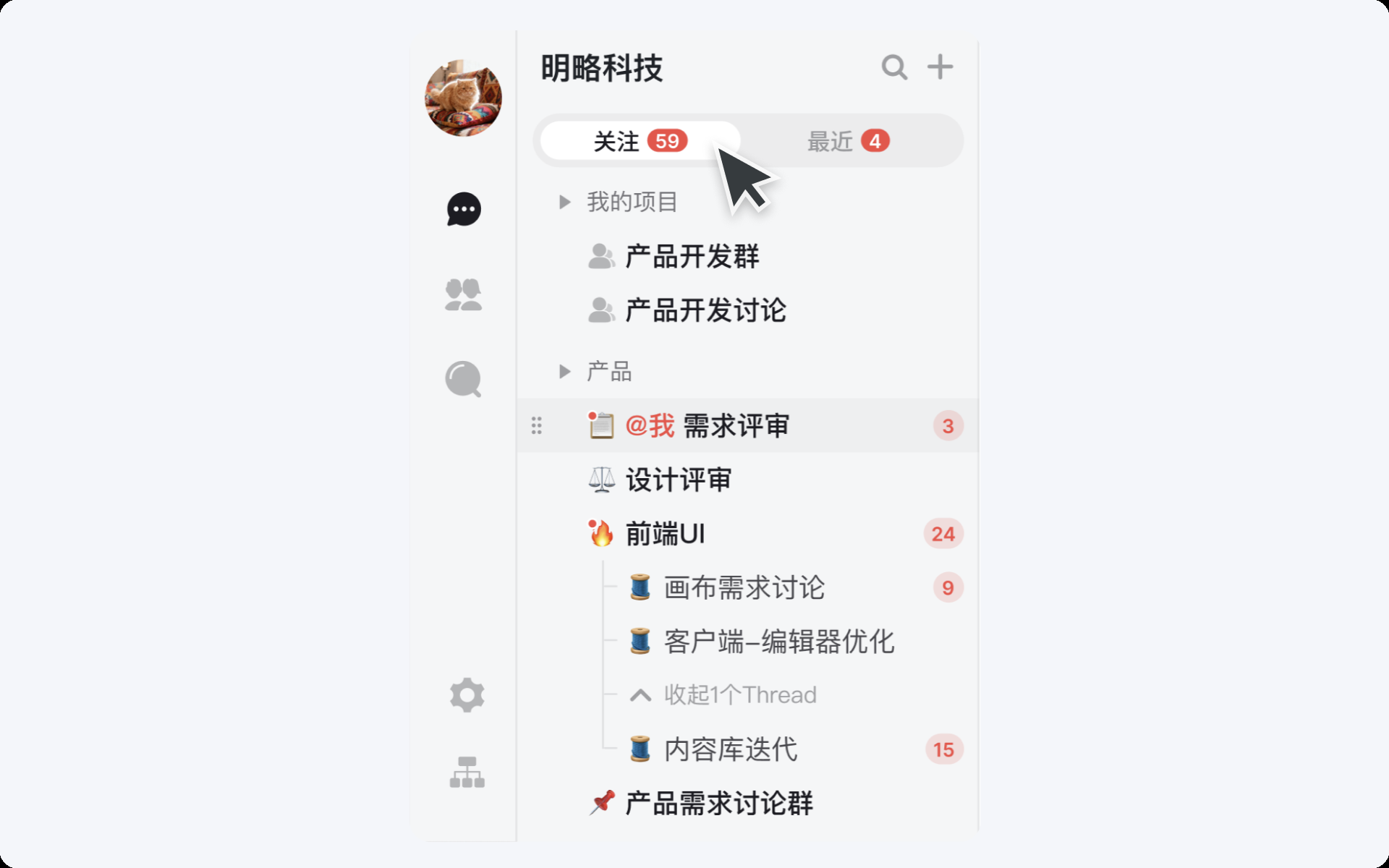
Most team chat keeps people in one app and AI agents in another; Octo Server is the backend that puts both in the same conversation. It powers the OCTO workplace, where Lobsters, the platform's OpenClaw-powered AI agents, sit in channels as first-class participants that read context, run tool calls, and report back alongside their human teammates. Every request flows through one pipeline: token and cookie authentication, organisation-aware role checks and per-channel permissions, business logic that can start or resume an agent session, then fan-out through WuKongIM for real-time delivery. Channels support threaded subspaces, shared files, and a GROUP.md document that stores the group's standing context where the whole team can edit it. The smart summary service reads busy channels and produces structured digests, so catching up means reading one brief instead of hundreds of messages. External bridges connect conversations to GitHub, WeCom, Feishu, and Loop through adapters, and webhooks push group events to your own systems. The official one-command deployment runs the server with the web client, admin console, task service, WuKongIM, MySQL, Redis, and MinIO behind nginx, scaling as one backend that every client speaks to. Running on a dedicated VPS on RepoCloud with guaranteed CPU, RAM, and SSD, full root SSH access, and a browser serial console. Apache-2.0 licensed.
Benefits
- Agents as conversation participants
- Lobsters join channels as first-class members rather than external bots: the server routes messages to them, manages their sessions, and executes their tool calls inside your own workspace, under the same permissions as people.
- One backend for everything
- Web, Android, iOS, the admin console, tasks, summaries, and adapters all meet at one Go server. You deploy, secure, and scale a single backend instead of operating a different service for every client.
- Summaries instead of scrollback
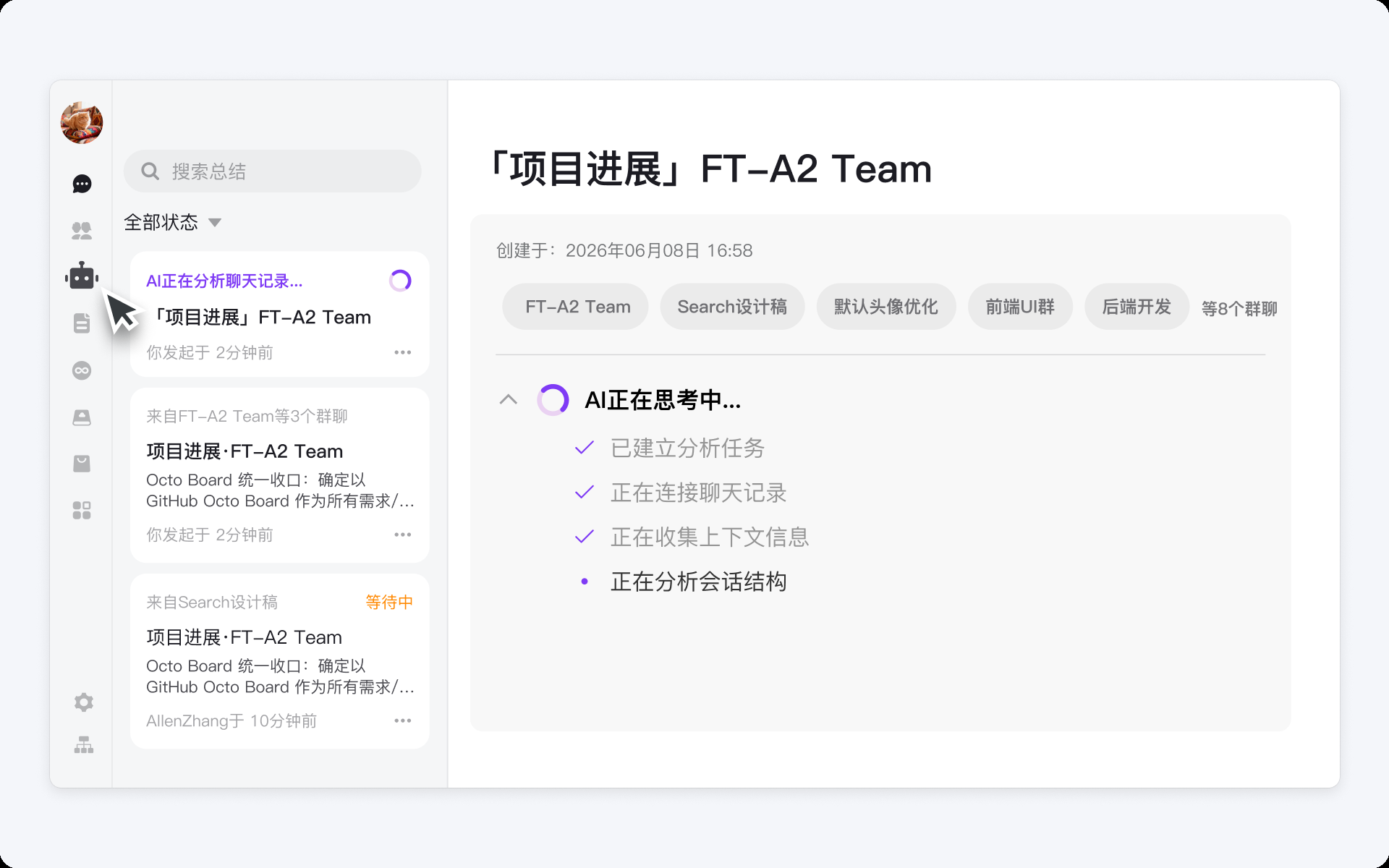
- The smart summary service analyses busy channels and writes structured digests of decisions, tasks, and open questions, so returning to a project means reading one brief rather than replaying hundreds of messages.
- Bridges to your other tools
- Adapters connect channels to GitHub, WeCom, Feishu, and Loop, and webhooks push group events outward, so notifications and approvals happen inside the conversation instead of being scattered across separate applications.
Features
- Lobster agent orchestration
- Routing, session storage, and tool-call execution for OpenClaw-powered AI agents are built into the server, with agent-identity gating applied before any agent acts in a channel.
- Real-time messaging control
- The server drives WuKongIM over a thin control-plane boundary for channels, messages, and presence, keeping the instant-messaging core swappable without changing the API your clients use.
- REST and WebSocket APIs
- Conversation, user, group, file, organisation, and webhook handlers answer in a unified JSON envelope, with DH-sealed WebSocket frames and tracing and metrics tags on every response.
- Organisation-aware access control
- Token and cookie authentication feeds org-aware role checks and per-channel access lists, so multi-team workspaces keep private groups private while agents act only where they are admitted.
- GROUP.md shared context
- Every group carries an editable markdown document holding its standing brief, decisions, and conventions, giving human members and AI agents the same shared context to read before contributing.
- One-command full deployment
- The official compose stack runs the server with web and admin clients, the matter task service, smart summaries, WuKongIM, MySQL, Redis, and MinIO behind nginx from one command.