Categories
Self-Hosted Order Management E-commerce Subscriptions Local Food Online Marketplace Food Hubs Farmers MarketsStars
Forks
Watchers
Developer links
Open Food Network
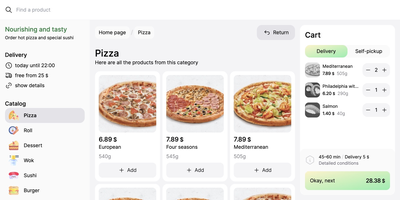
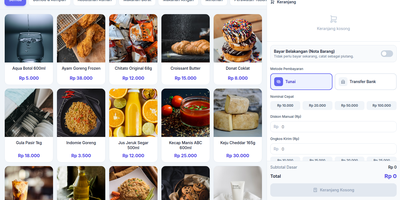
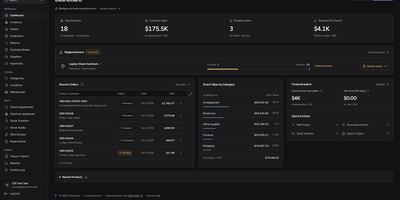
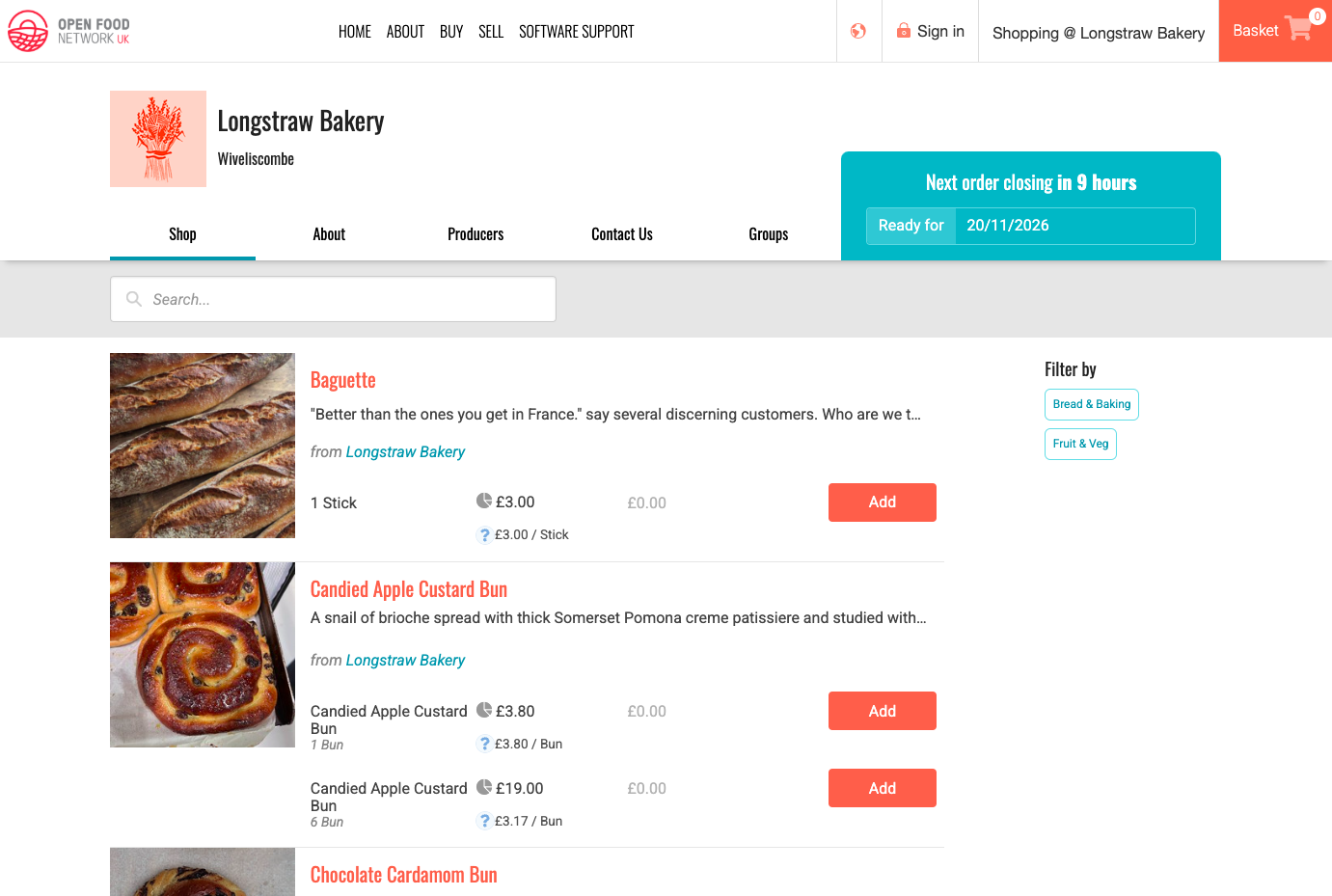
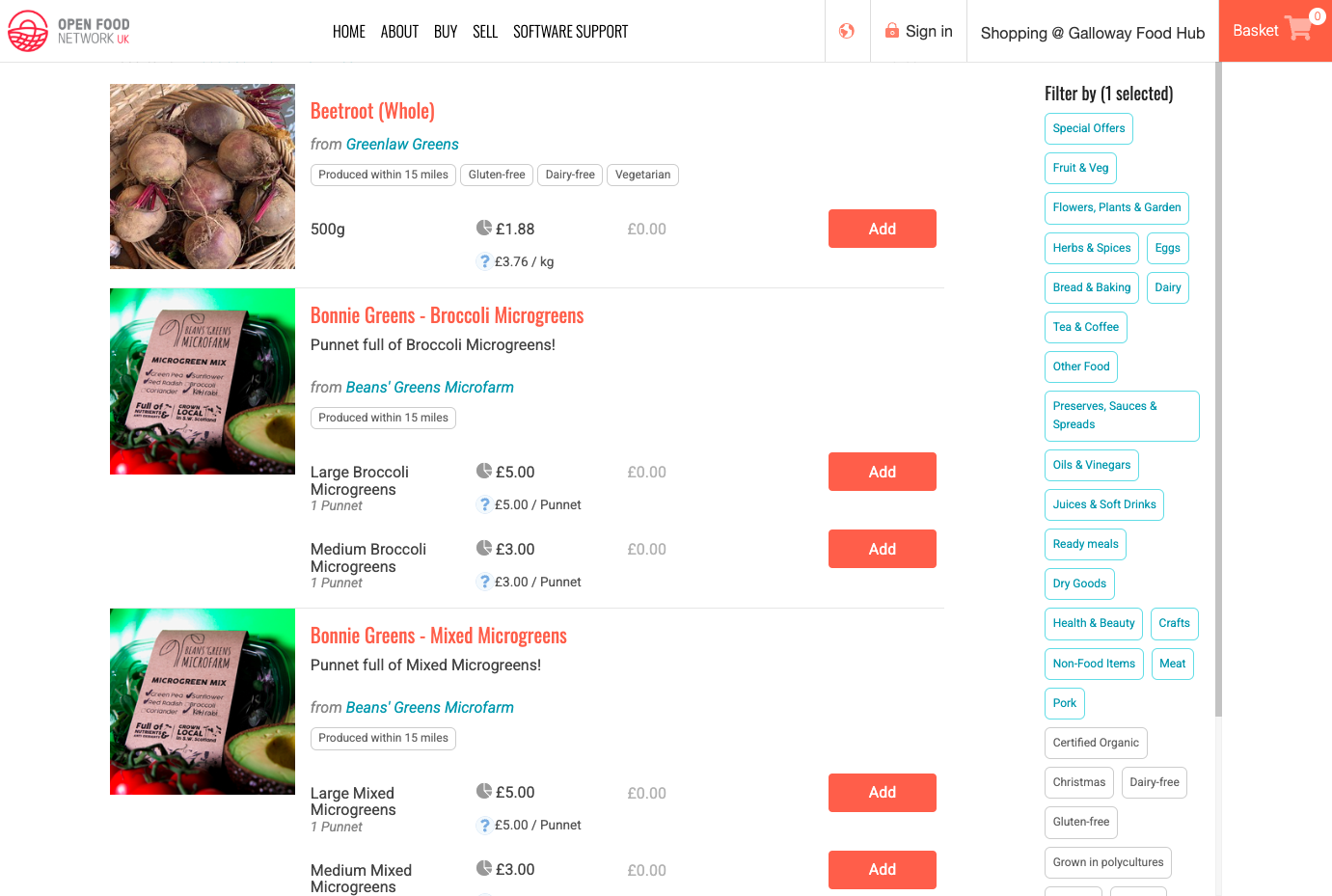
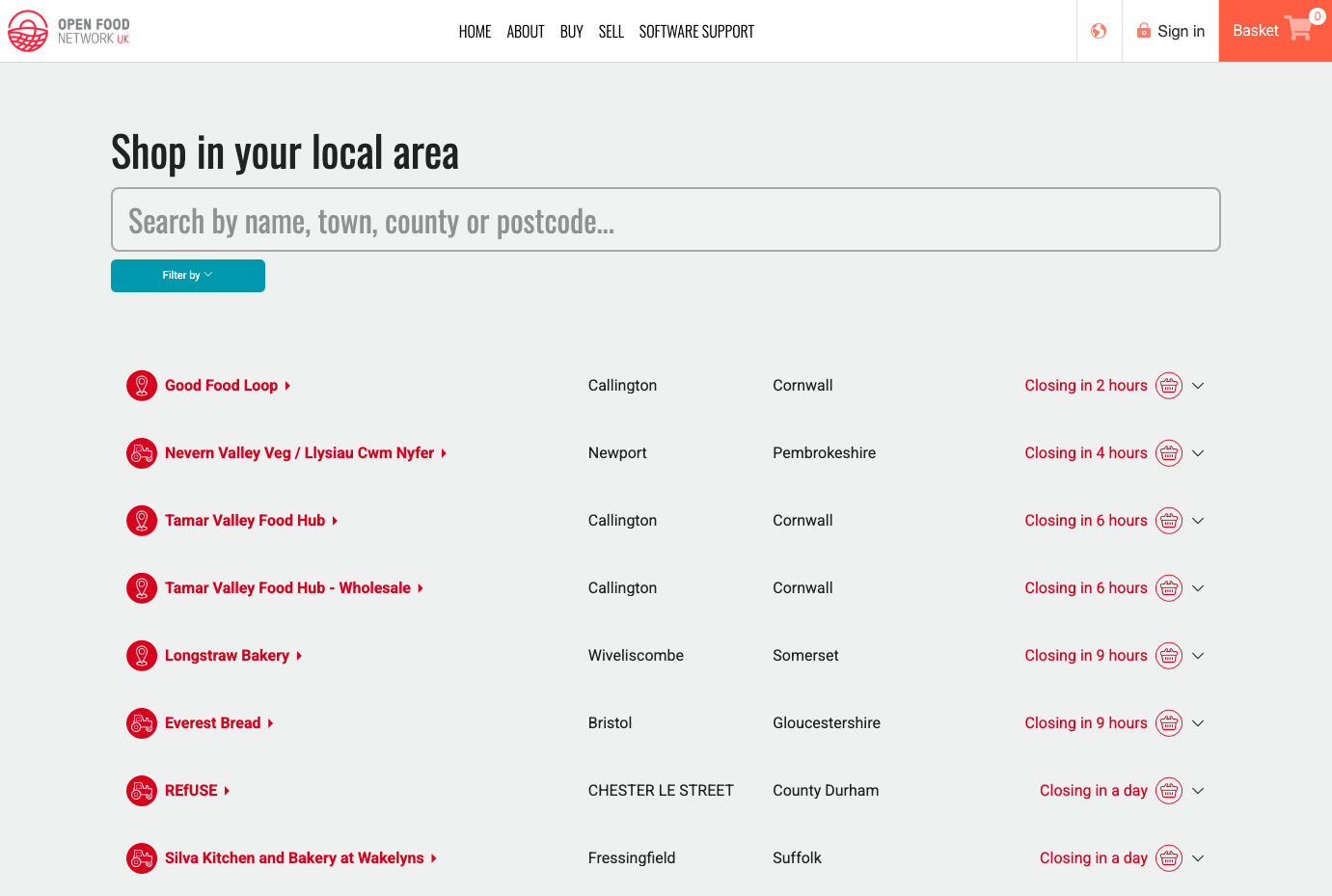
Farmers, bakers, and food hubs that want to sell directly to nearby customers can run their own shopfronts, or one shared marketplace for many producers, on Open Food Network. Each shop opens and closes through order cycles: a coordinator sets the dates, chooses which producers' products go in, and applies fees, so orders are packed and delivered in one batch. Enterprise fees for packing, transport, admin, sales, or fundraising appear to shoppers as a price breakdown. Catalogs support variants, properties such as Certified Organic, unit prices, group-buy bulk ordering, and CSV import. Shipping methods cover delivery or pickup with flat-rate, per-item, or per-kilogram calculators, and payments run through Stripe, PayPal Express, or cash and bank transfer. Customer tags and tag rules decide who sees which products, order cycles, and payment methods, which suits wholesale and member shops, and vouchers and private shopfronts are available. Subscriptions create standing weekly, fortnightly, or monthly orders. The back office handles bulk order management, manual orders, refunds, packing reports, tax and payment reports, and Xero invoice exports. A public map, shop directory, and group pages help shoppers find producers nearby. Running on a dedicated VPS on RepoCloud with guaranteed CPU, RAM, and SSD, full root SSH access, and a browser serial console. AGPL-3.0 licensed.
Benefits
- Sell Direct or Through Shared Hubs
- Producers can open a shopfront of their own or supply products to shared hubs, and shoppers buy straight from the farms and bakeries behind the food, with each item credited to its producer.
- Batch Orders Into Simple Order Cycles
- Each order cycle sets open and close dates, products, and fees, so a hub collects orders for a week or two, then packs and delivers everything together; several cycles can run at once.
- Share Costs Openly Across the Chain
- Enterprise fees for packing, transport, admin, sales, or fundraising are allocated to the enterprises that carry those costs, and shoppers can click a pie chart beside any price to see each share.
- Give Each Customer Group Its Own Shop
- Customer tags and tag rules show or hide products, order cycles, shipping methods, and payment methods per group, so wholesale buyers, members, and the public each see the right shop.
Features
- Stripe and PayPal Checkout
- Payment methods include Stripe SCA, PayPal Express, and cash or bank transfer, each shown at checkout, kept for back-office use only, or limited to particular customers through tag rules.
- Standing Subscription Orders
- Standing orders repeat weekly, fortnightly, or monthly, optionally paid by automatic Stripe card payment, and shops or customers can pause, cancel, or change the items.
- Product Variants and CSV Import
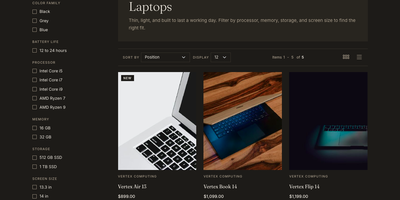
- Products support variants, properties, unit prices, and group-buy bulk ordering, while a CSV tool adds or updates product catalogs and hub inventories in bulk.
- Packing, Tax, and Payment Reports
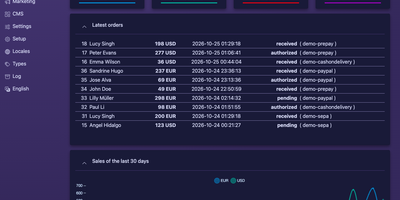
- Reports cover order cycle totals, packing by supplier, customer, or product, payments, and taxes, filterable by date, hub, producer, and order cycle, plus CSV exports for Xero invoices.
- Map, Directory, and Group Pages
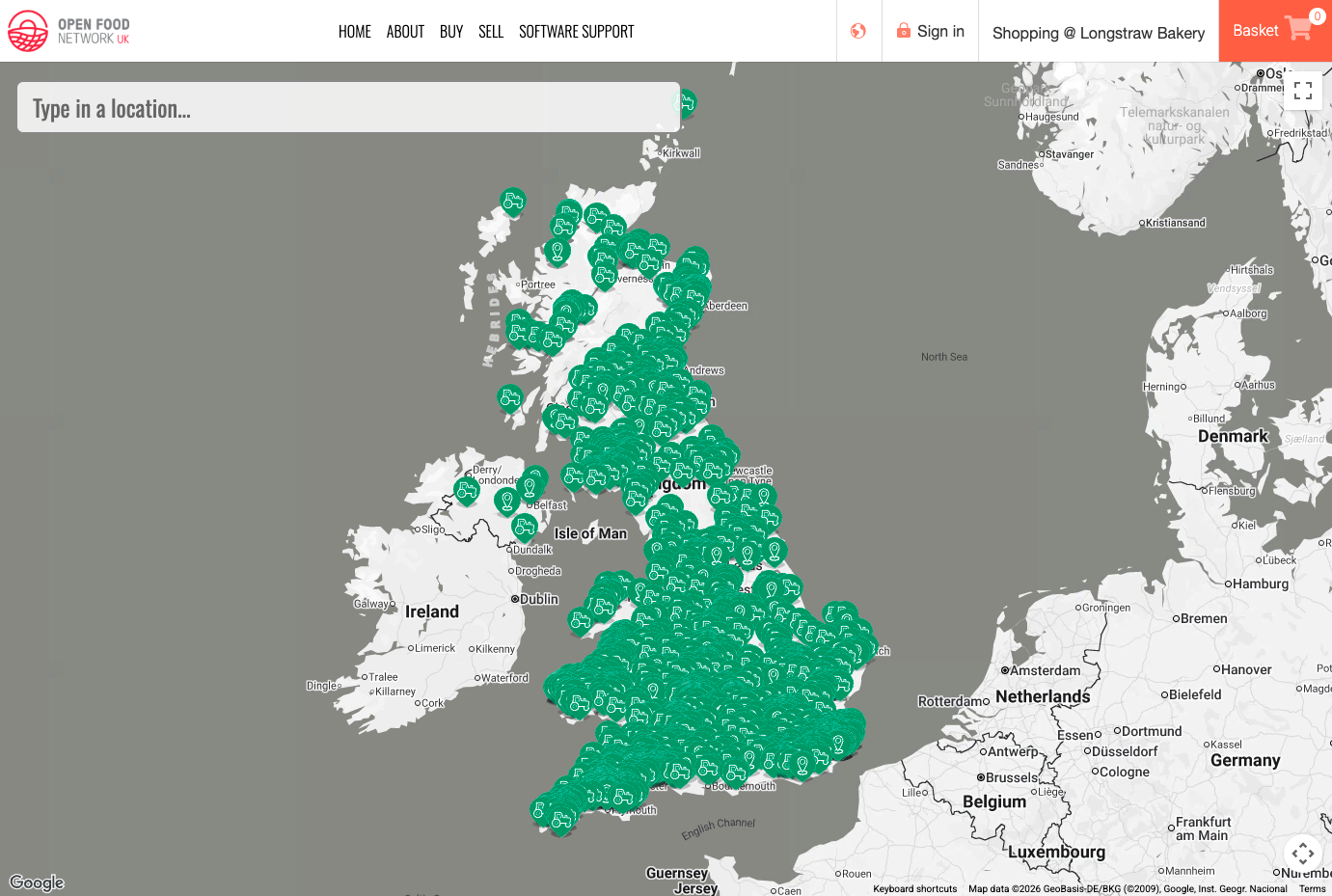
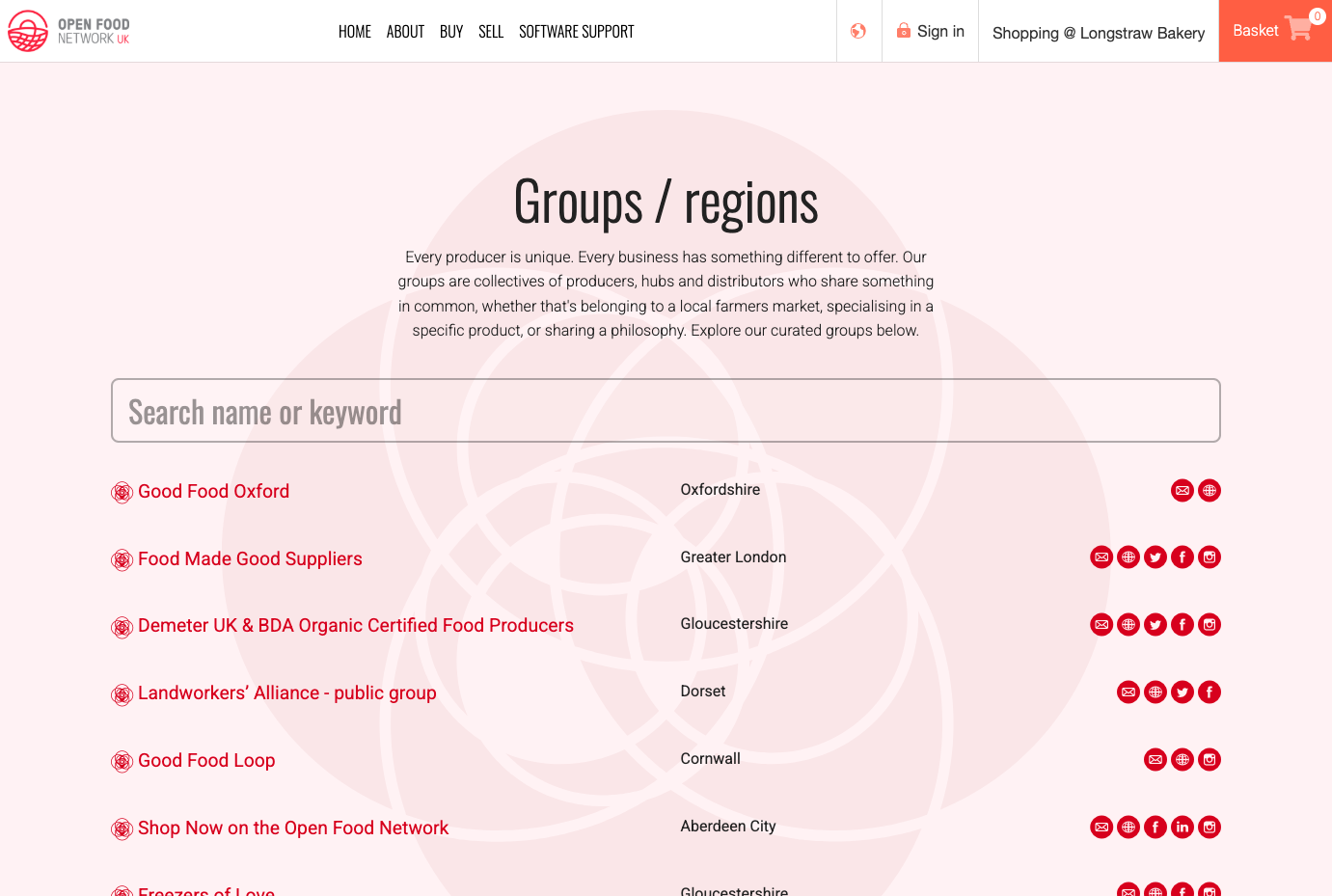
- A public map and shop directory help shoppers find nearby producers and hubs, and group pages gather regional networks, certification bodies, or farmers' markets into their own sub-directory.
- White Label and Private Shops
- Shops can hide the OFN navigation and swap in their own header logo, or stay hidden or private so that only invited or registered customers place orders.