Categories
Self-Hosted Healthcare FHIR Electronic Medical Records Appointments Patient Management Clinical Forms Global HealthStars
Forks
Watchers
Developer links
OpenMRS
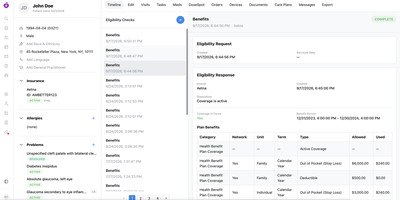
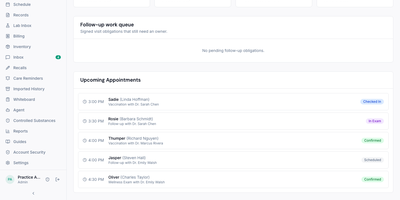
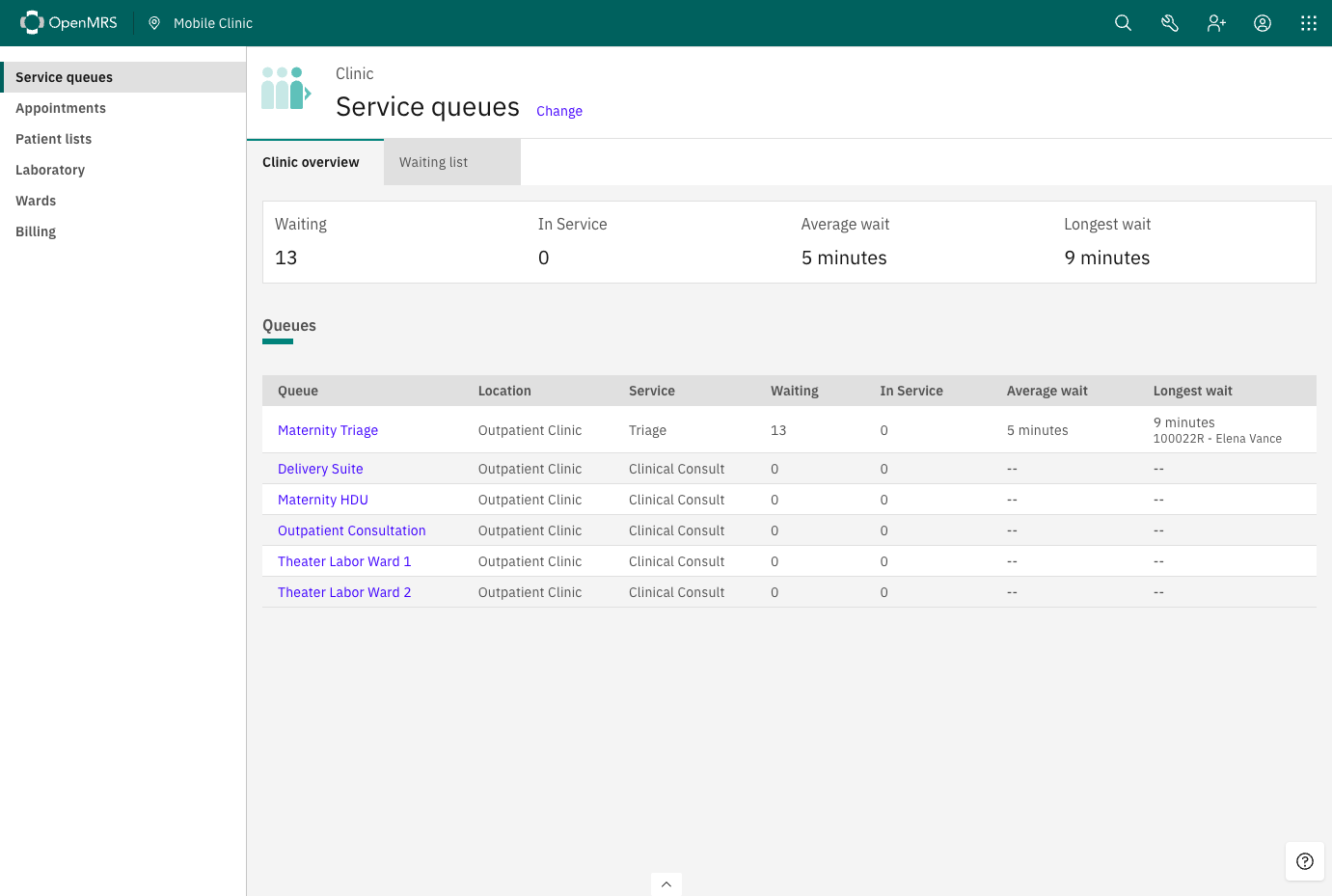
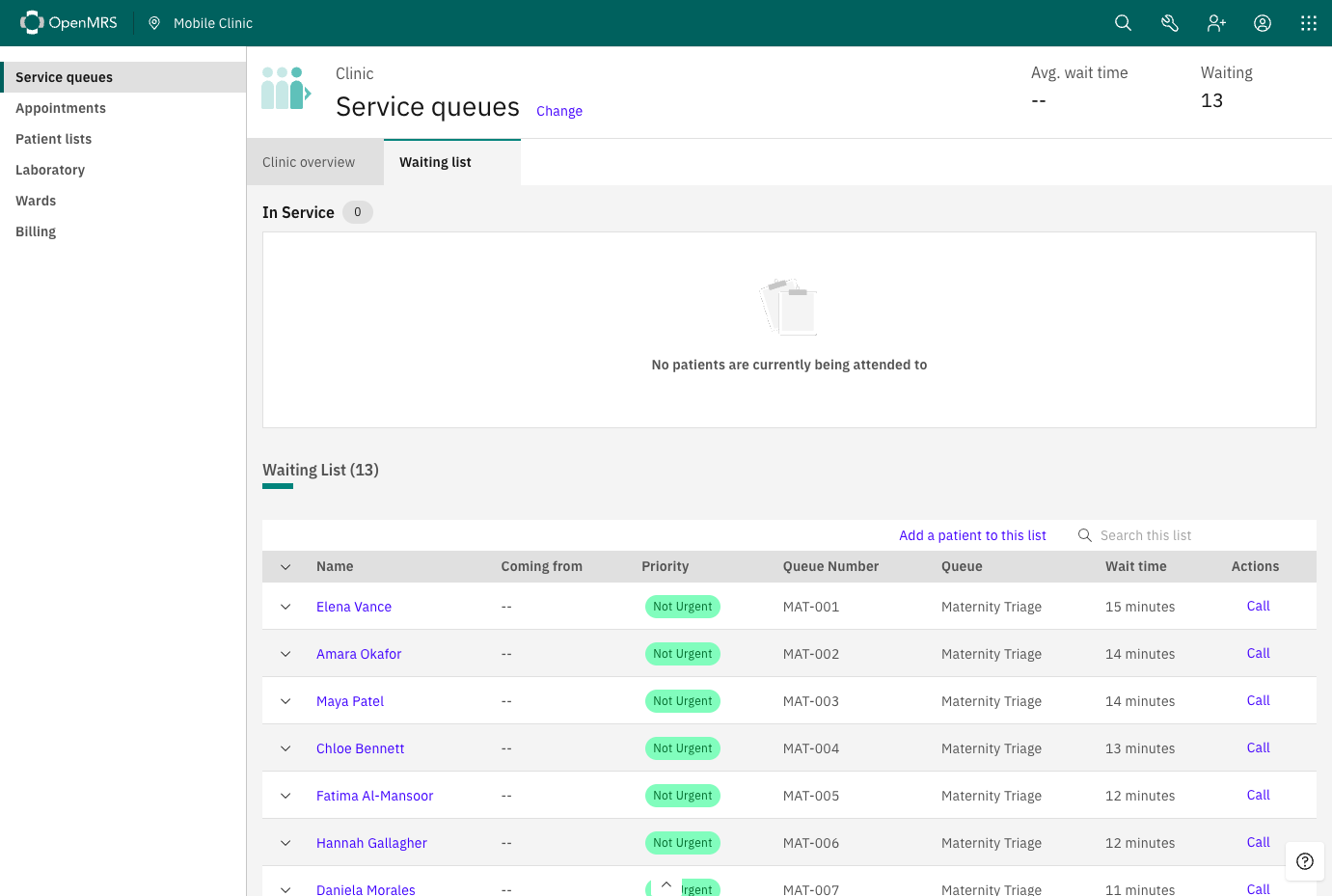
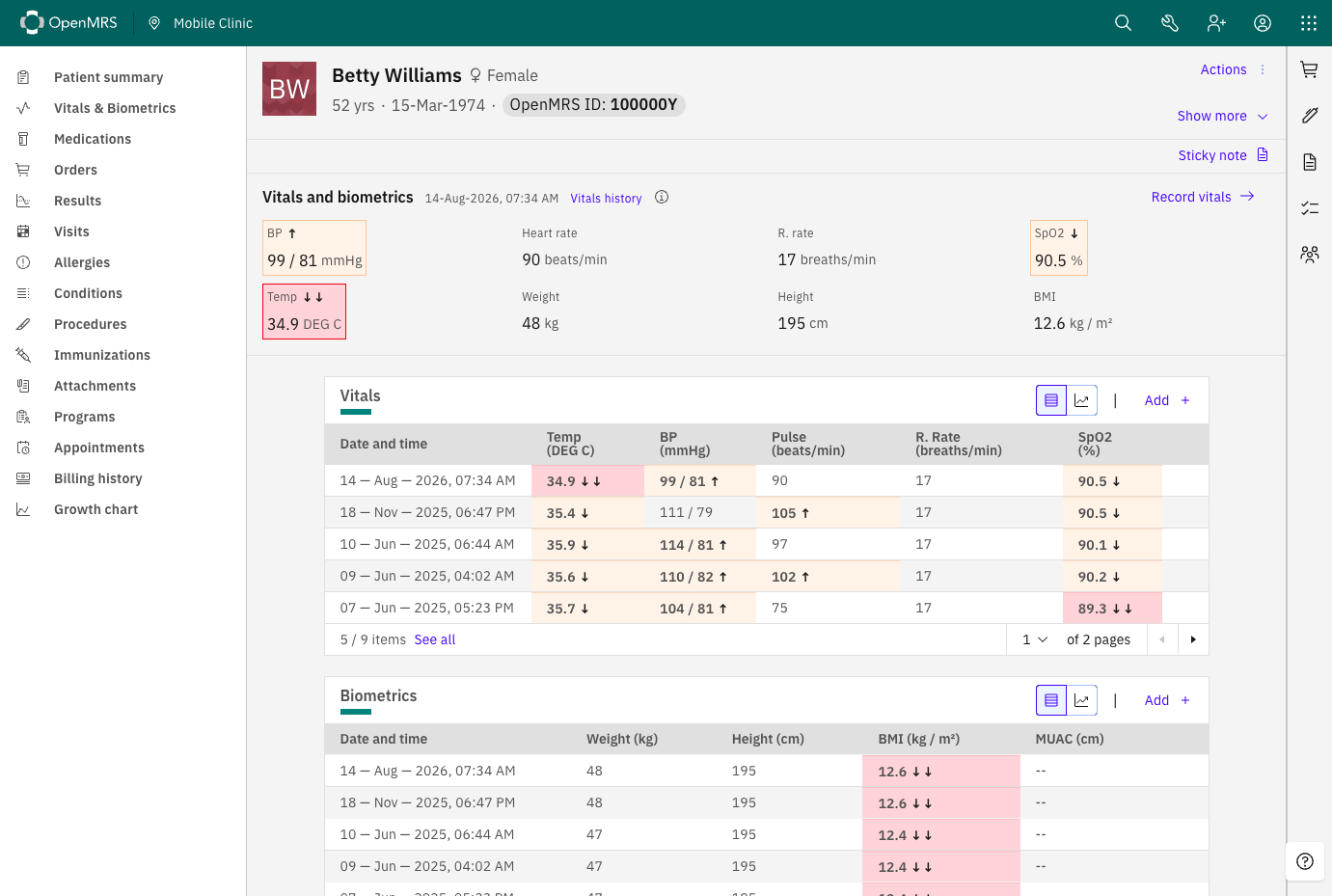
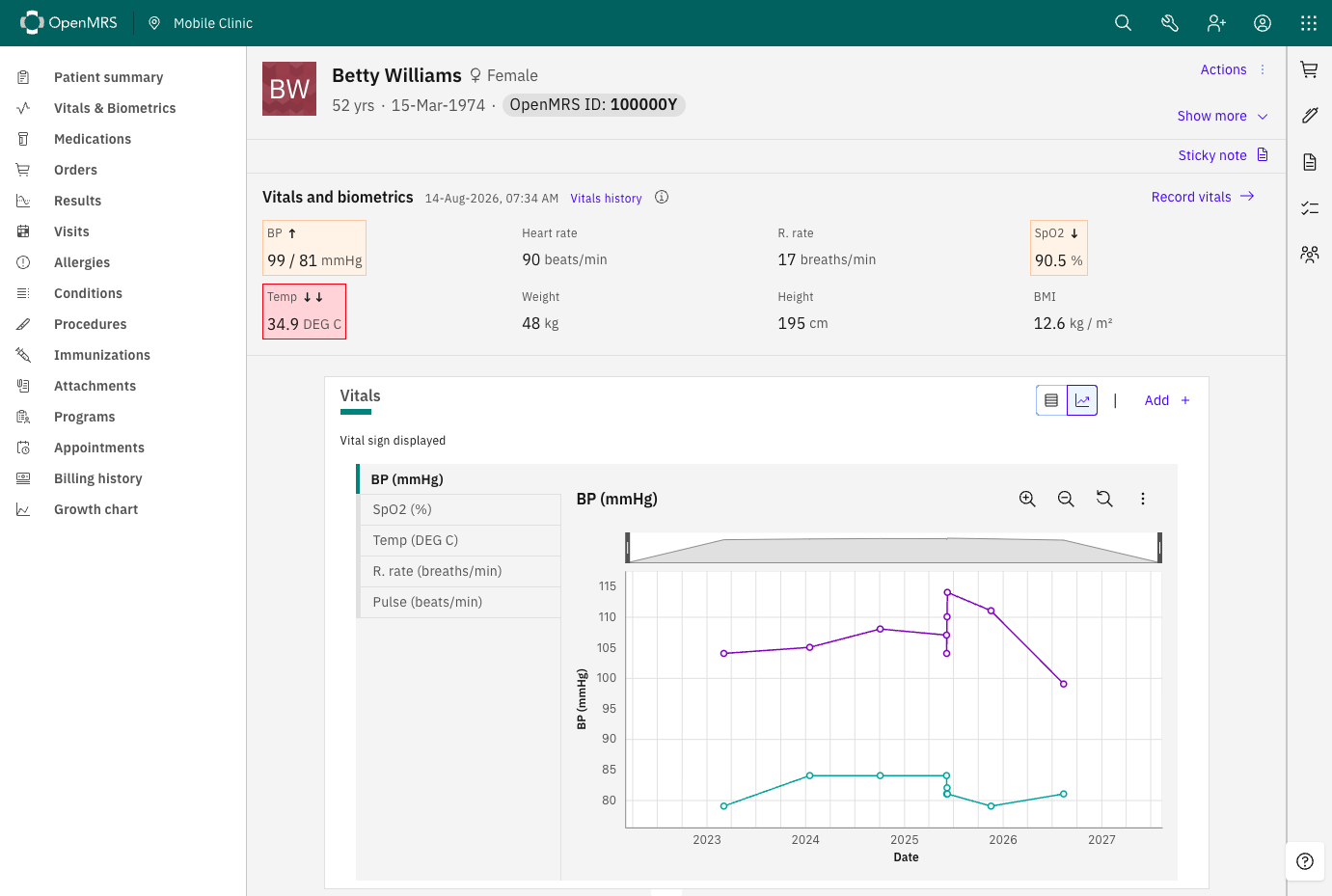
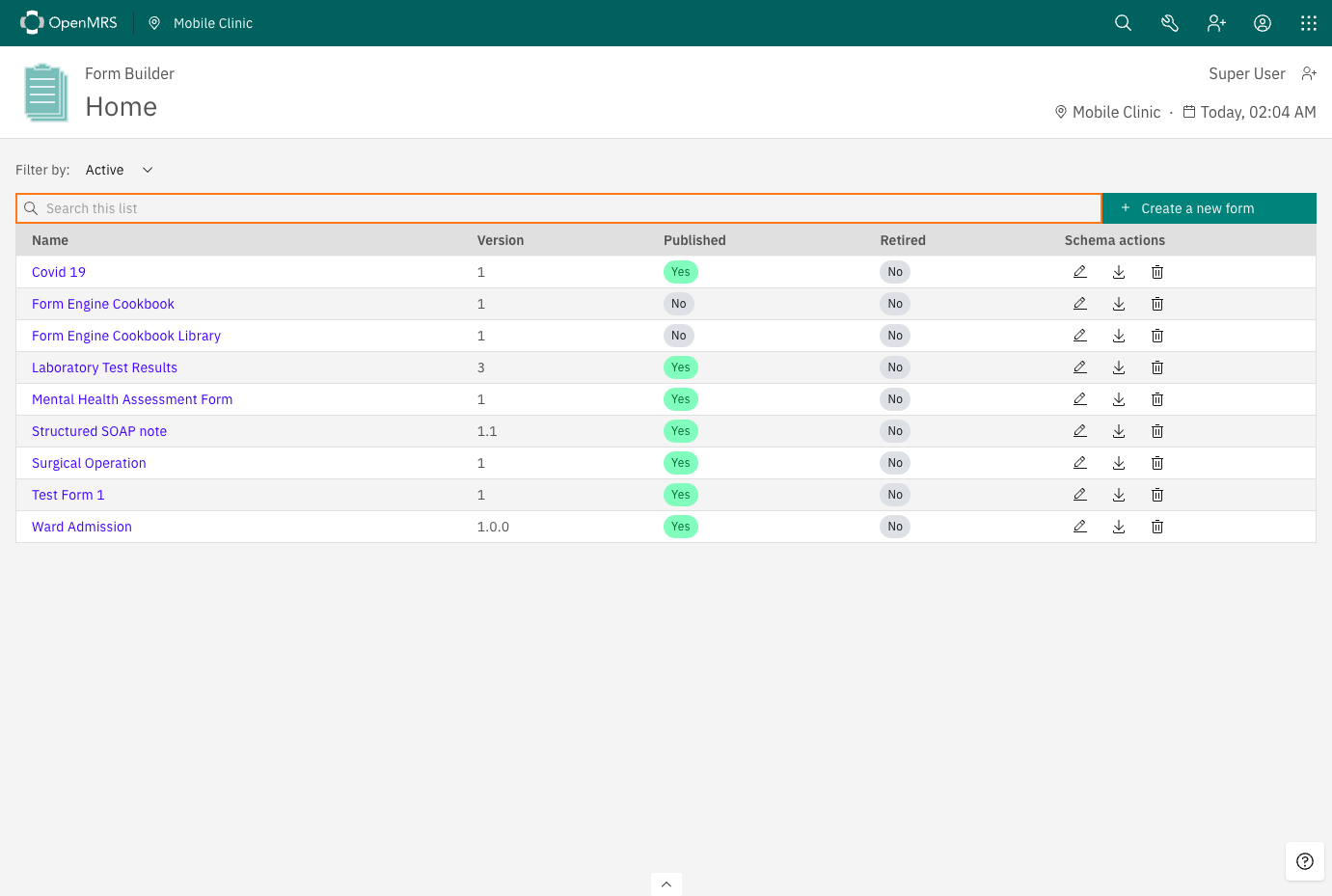
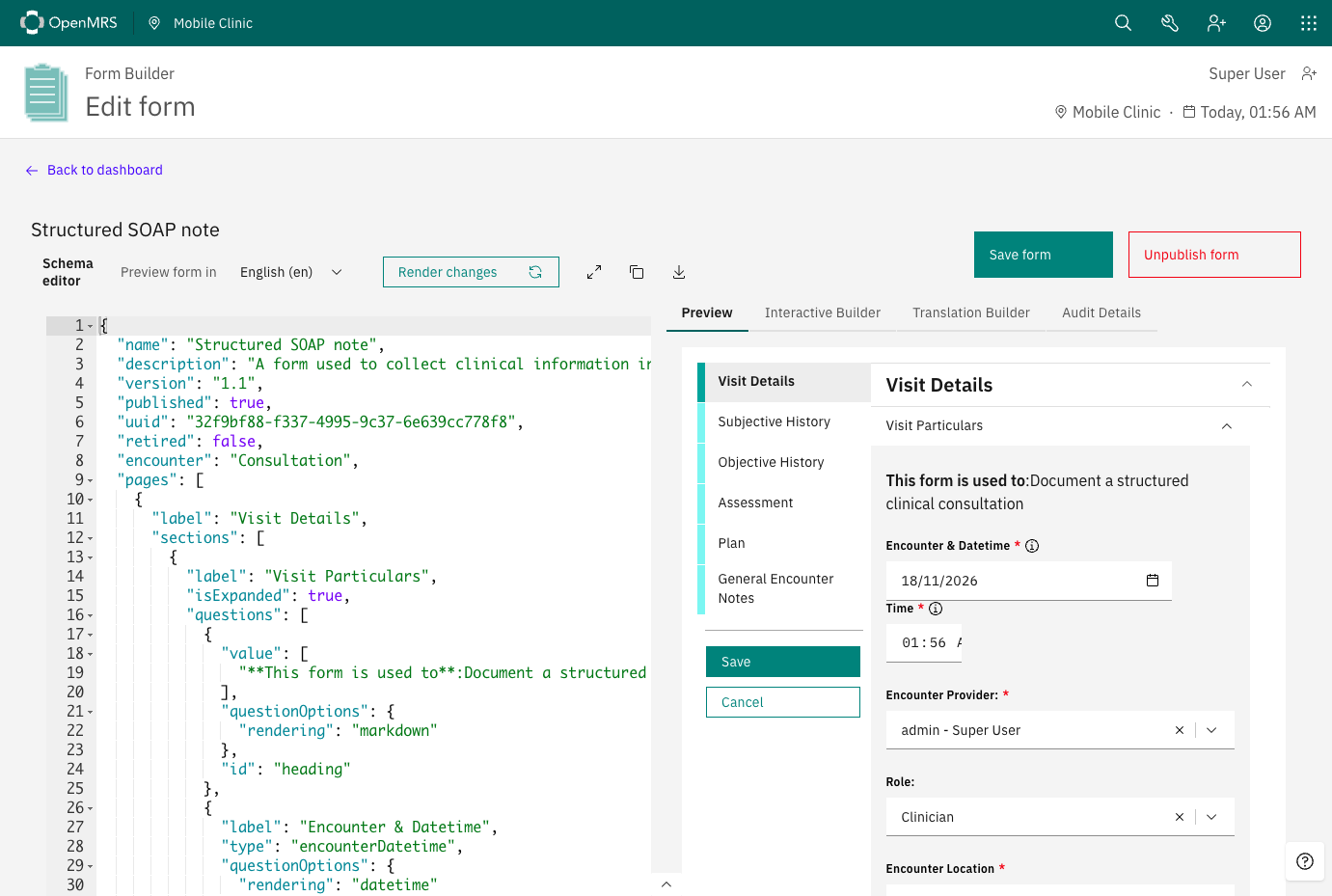
Clinics and hospitals can register patients, run visits, order tests and medications, and keep a complete chart for every person with OpenMRS, a free and configurable electronic medical record system built for places where budgets are tight and needs vary. After login, a home dashboard lists active visits and the day's appointments, while patient search, registration, service queues, and ward and bed management sit one click away. Each chart gathers vitals with trend charts, conditions, allergies, immunizations, visit notes, medications, test results, program enrollments, and attachments such as photos and PDFs. Clinicians place drug and test orders from an order basket, and a growth chart plots a child's weight against World Health Organization standards from birth to five years. Staff without programming skills design clinical forms in a visual Form Builder, then publish them to the chart. Optional apps add laboratory queues, medication dispensing, billing with invoices and payments, and stock management. A cohort builder finds patients by clinical and demographic criteria, privileges can be limited by location or data type, and audit logging shows who did what. The interface can show several languages at once, including right-to-left scripts. REST and FHIR APIs connect to lab systems, DHIS2, ERP tools, and national health exchanges, and add-on modules extend the platform further. Running on a dedicated VPS on RepoCloud with guaranteed CPU, RAM, and SSD, full root SSH access, and a browser serial console. MPL-2.0 with Healthcare Disclaimer licensed.
Benefits
- No License Fees, No Lock-In
- The source code is open and free, so a clinic can add users, locations, and modules as it grows and keep full control of its own patient records.
- Forms Built by Clinical Staff
- A visual Form Builder lets non-developers create and publish clinical forms for any specialty, so primary care, HIV, or maternal health workflows change without waiting for programmers.
- Connects to National Health Systems
- REST and FHIR APIs let the EMR exchange data with lab systems, DHIS2, ERP tools, and national health exchanges, and registration can connect to national patient databases.
- Permissions Down to Location
- Role-based privileges can be limited by location or data type, and audit logging lets administrators follow up on actions taken, which suits several sites sharing one system.
Features
- Home Dashboard and Queues
- The landing page shows active visits and the day's appointments, with patient search, registration, service queues, patient lists, and ward and bed management one click away.
- Patient Chart Widgets
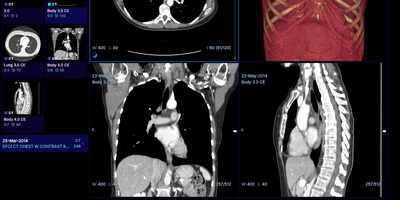
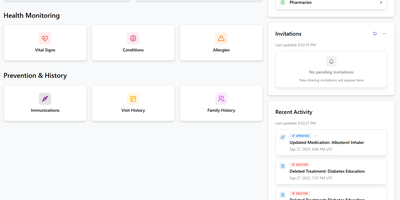
- Charts combine vitals with trend graphs, conditions, allergies, immunizations, visit notes, medications, test results, programs, and image or PDF attachments uploaded from files or a camera.
- Orders and Growth Chart
- Drug and test orders go through an order basket, and the growth chart plots weight against the WHO weight-for-age standard from birth to five years.
- Form Builder and Engine
- A visual builder and JSON schema editor create forms that the React Form Engine renders in the chart, and HTML Form Entry forms are supported too.
- Lab, Billing, and Stock Apps
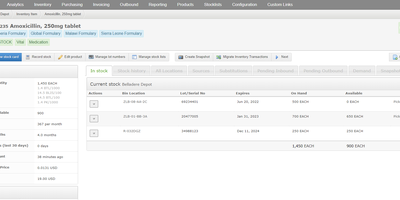
- Optional apps cover laboratory requests and queues, medication dispensing, billing with invoices and payments, and stock management with receipts, issues, and adjustments.
- REST and FHIR Interoperability
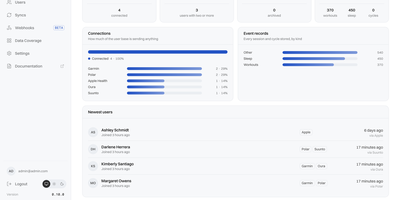
- REST and FHIR APIs integrate with lab systems, DHIS2, ERP tools, and national health exchanges, and add-on modules can be installed from the OpenMRS module repository.