Stars
Forks
Watchers
Developer links
Rustunnel
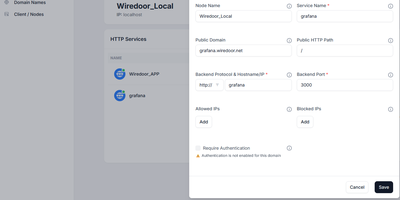
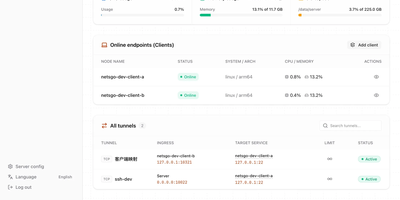
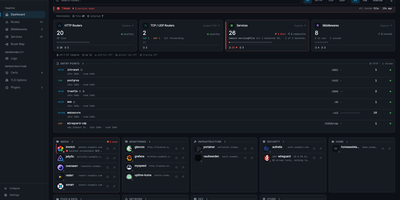
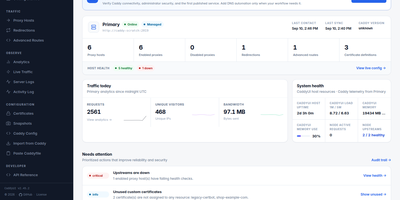
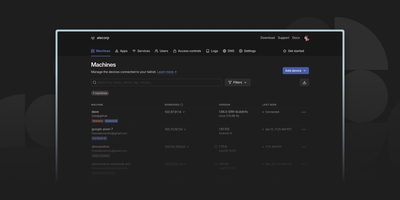
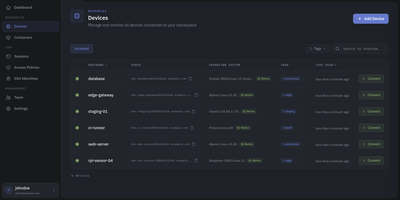
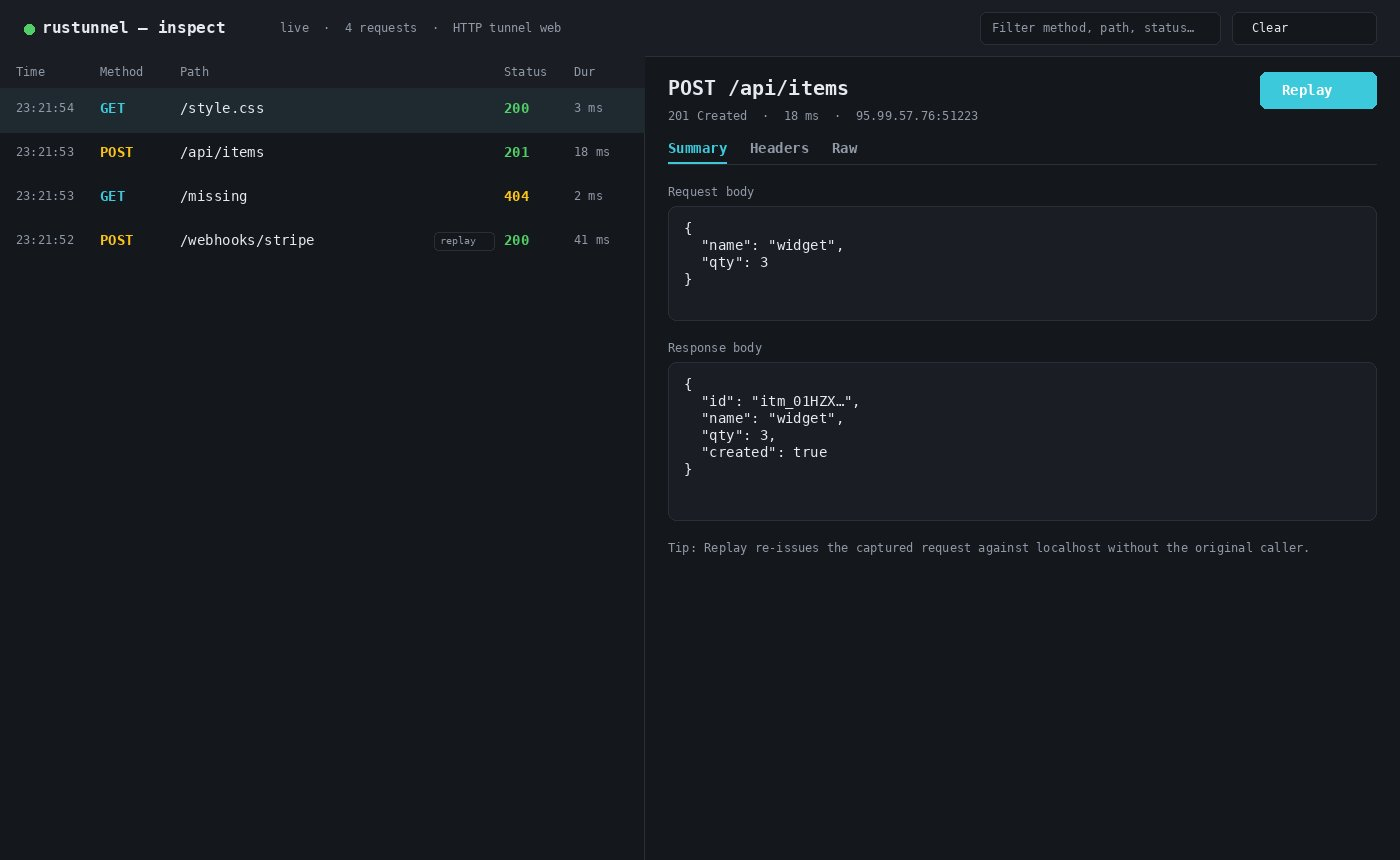
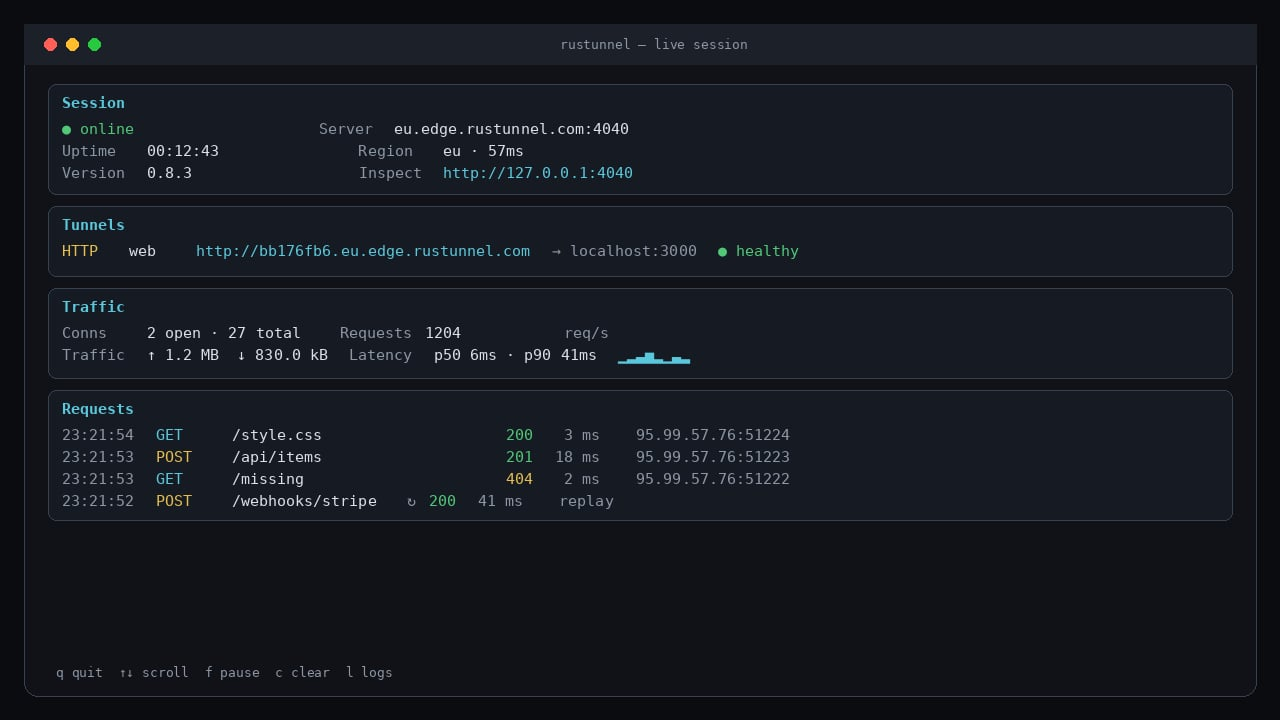
Rustunnel turns a service running on your laptop or private network into a public HTTPS, TCP, or UDP endpoint without opening inbound ports on the machine where it lives. Point the client at a local port and share the public address for webhook testing, a quick demo, an AI agent tool, SSH access, a game server, or an IoT device that cannot accept inbound connections. Give tunnels custom subdomains on your own wildcard domain, terminate HTTPS with automatic Let's Encrypt certificates, and keep client traffic encrypted from edge to local service. Put several backends behind one subdomain or TCP port and let TCP or HTTP health probes remove sick members before visitors hit them. When two peers can reach each other directly, start a P2P tunnel with NAT hole punching and QUIC, with relay fallback when the direct path fails. Watch sessions, tunnel health, traffic, and request logs from the live dashboard, inspect headers and bodies in the local request inspector, and replay a captured call while debugging a webhook. Manage tunnels, tokens, groups, captured requests, and history through the REST API, scrape Prometheus metrics, review audit logs, or let an MCP-compatible coding assistant create and close tunnels in plain language. Running on a dedicated VPS on RepoCloud with guaranteed CPU, RAM, and SSD, full root SSH access, and a browser serial console. AGPL-3.0 licensed.
Benefits
- Your Own Tunnel Edge
- Run the relay on a VPS with a public IP and wildcard DNS for unlimited tunnels and custom subdomains, instead of renting a closed tunneling service whose self-hosted tier requires an enterprise contract.
- More Than HTTP Tunnels
- Expose web apps over HTTPS, databases and SSH over raw TCP ports, game or voice traffic over UDP, and peers through direct QUIC connections with automatic relay fallback.
- Load Balancing With Failover
- Group multiple backends behind one public subdomain or port, probe each member with TCP or HTTP health checks, and dispatch new connections only to backends currently passing.
- Built For Webhooks And Agents
- Inspect and replay captured requests while debugging Stripe, GitHub, or Slack webhooks, and let MCP-compatible assistants create, manage, and close tunnels through the bundled MCP server.
Features
- Encrypted WebSocket Tunnels
- Connect clients to the control plane on port 4040 and route public HTTP, HTTPS, TCP, and UDP traffic through multiplexed encrypted streams to services on private machines.
- Dashboard And REST API
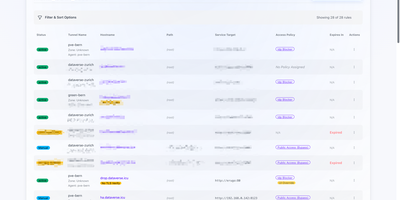
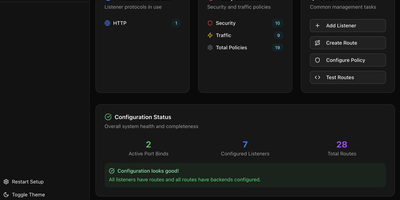
- Manage tunnels, groups, tokens, captured requests, and tunnel history from the dashboard on port 8443, with Bearer-authenticated API endpoints for automation and integrations.
- Automatic TLS Certificates
- Terminate HTTPS at the edge with automatic Let's Encrypt provisioning for public endpoints, using your wildcard DNS record when self-hosting under your own domain.
- Health-Checked Groups
- Create load-balancing groups behind a single subdomain or TCP port and configure TCP or HTTP probes that remove unhealthy backends from rotation automatically.
- Metrics, Audit, And MCP
- Scrape Prometheus metrics on port 9090, review audit logs, inspect and replay requests locally, and drive the full tunnel feature set from MCP-compatible AI harnesses.