Stars
Forks
Watchers
Developer links
Saki Panel
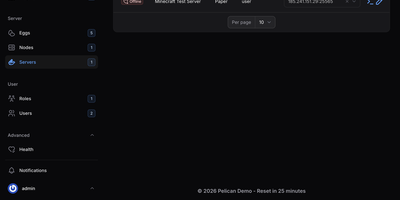
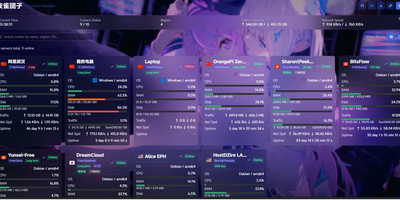
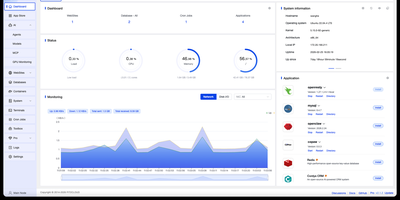
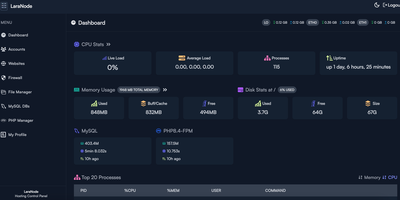
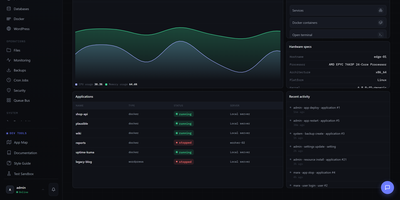
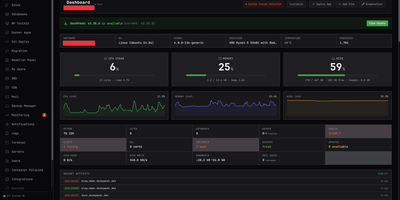
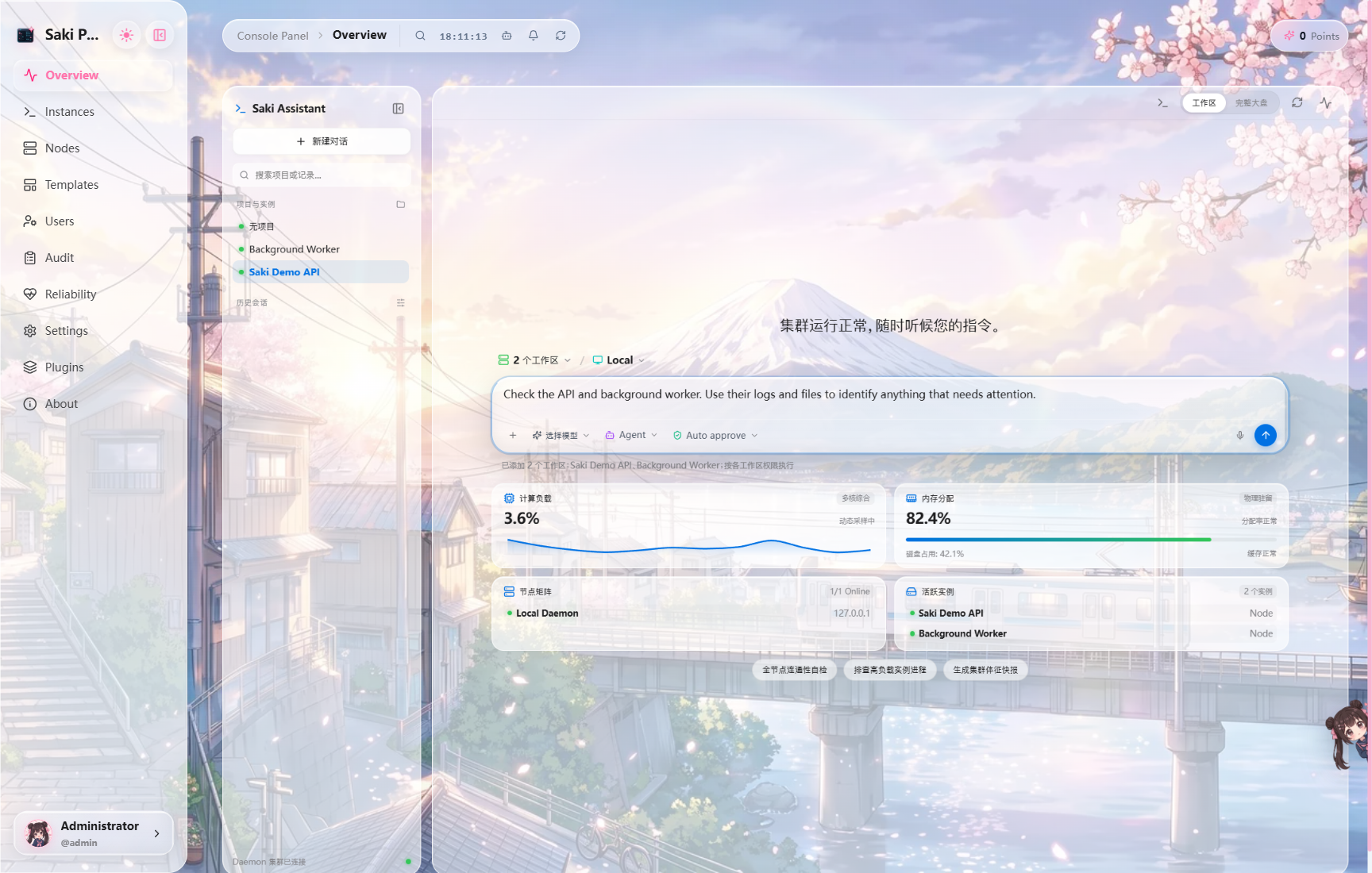
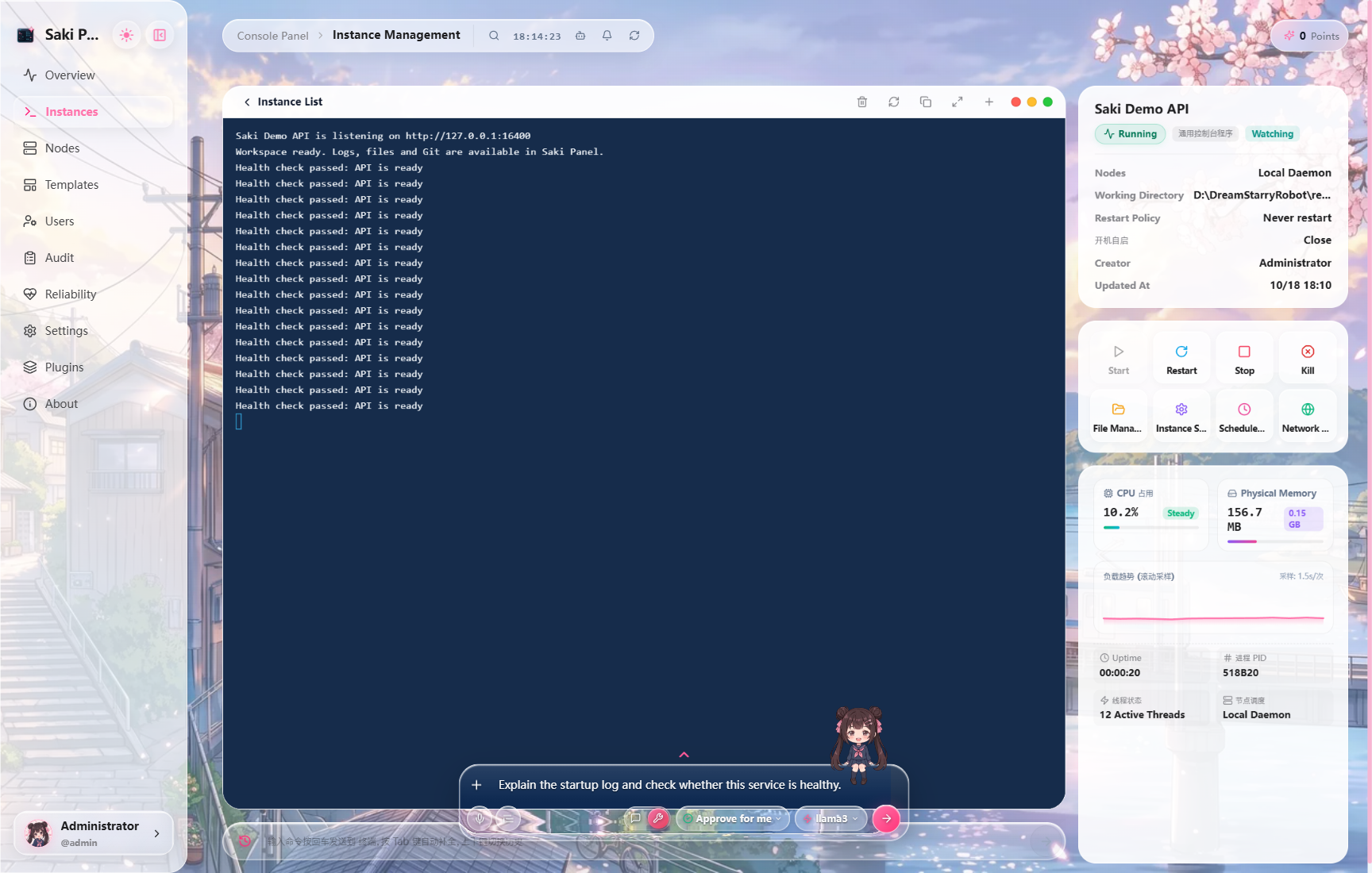
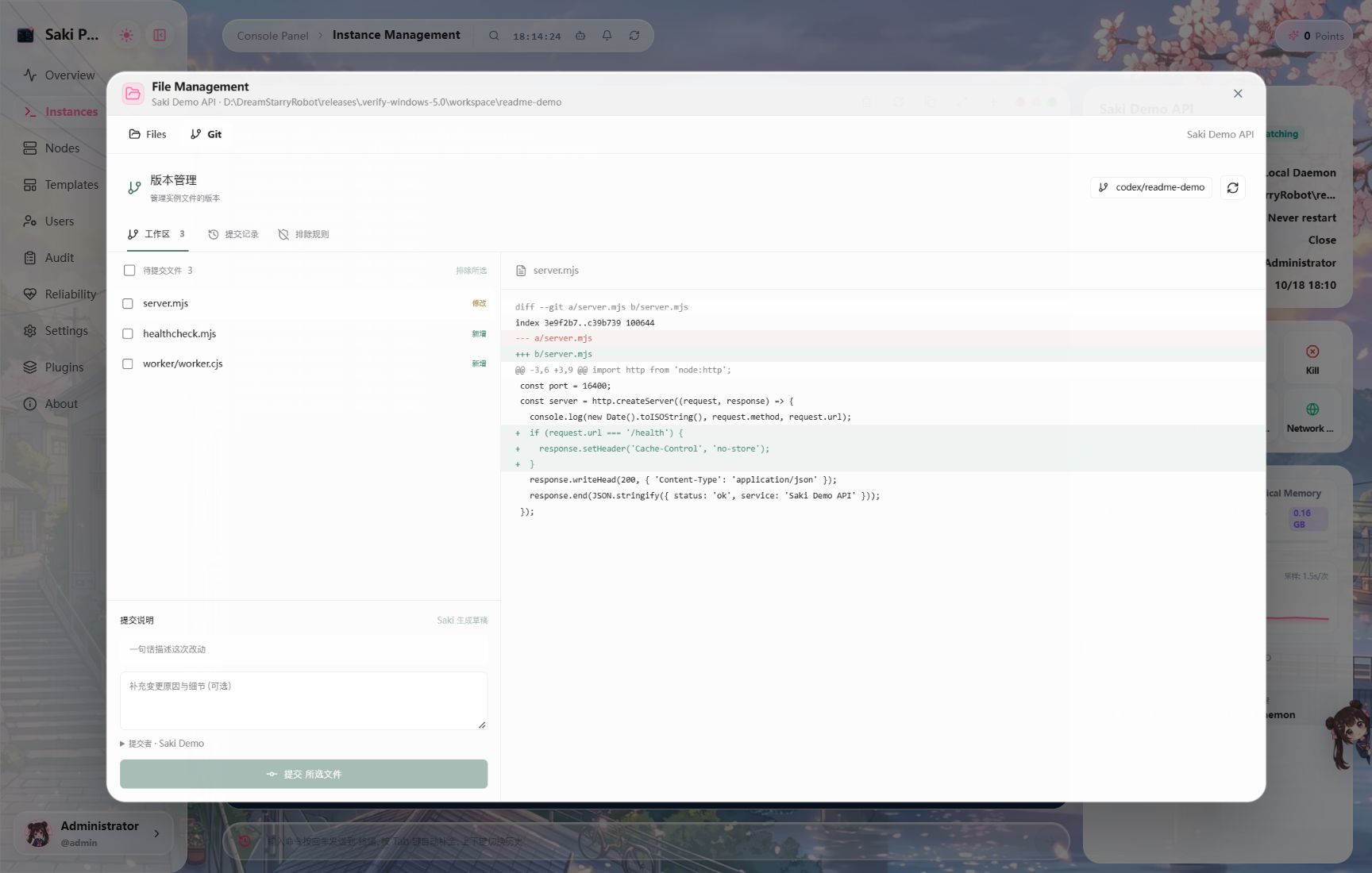
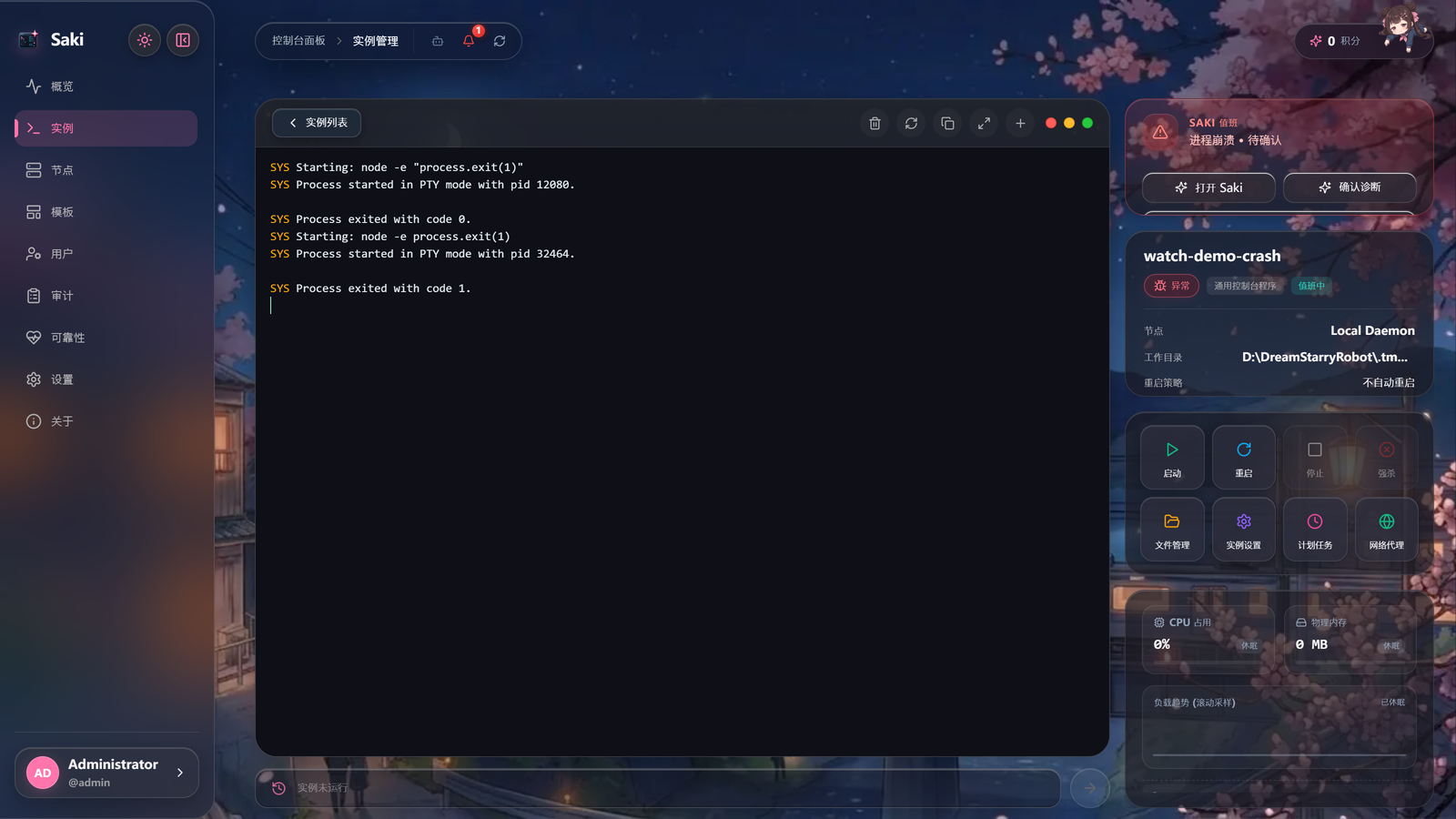
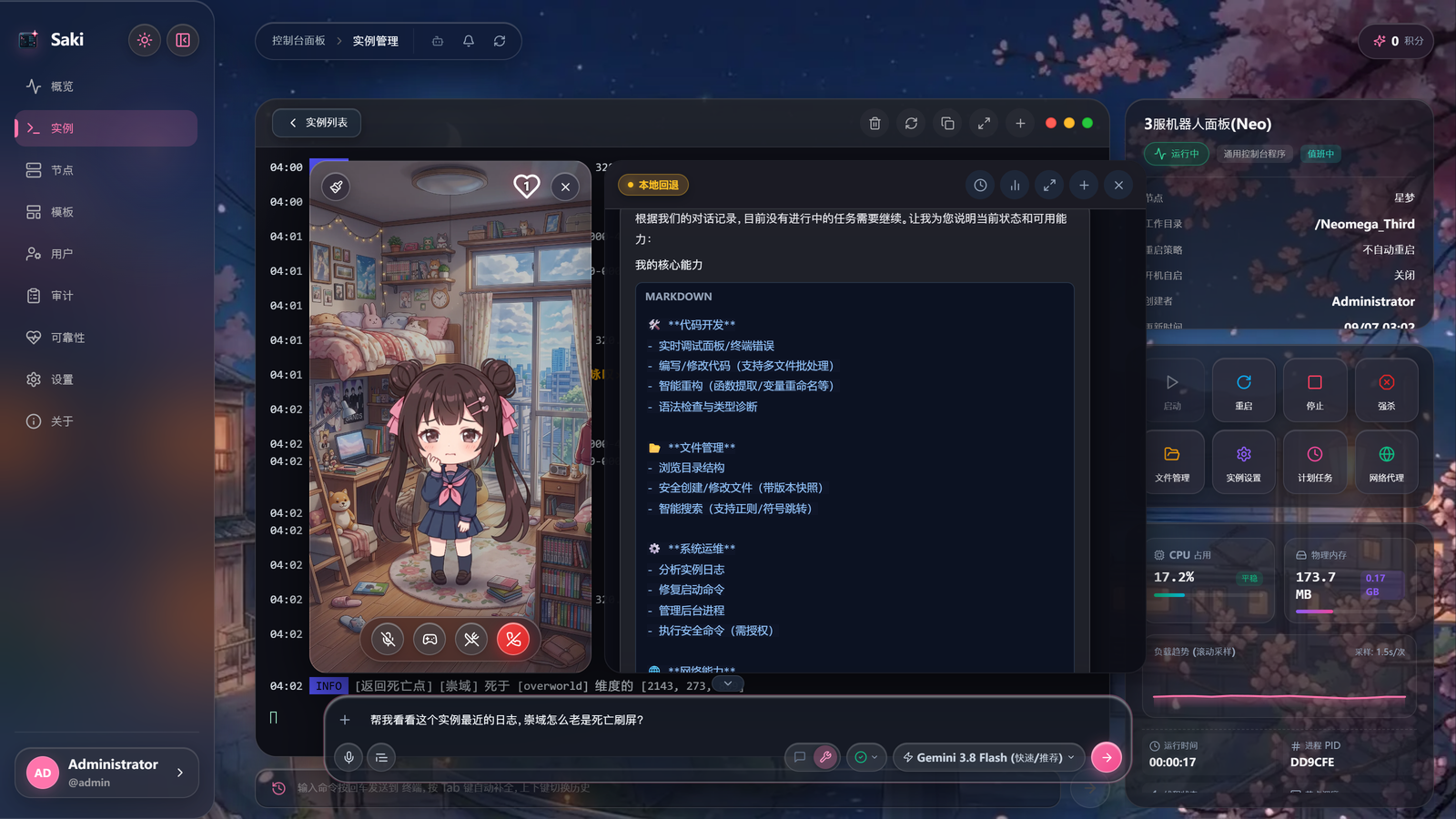
Saki Panel is a self-hosted operations console that manages your game servers, containers, and background processes across multiple Linux machines, with an AI assistant sitting inside the workspace when something breaks. Start, stop, restart, and monitor nine kinds of instances, from Minecraft and Steam game servers to Docker containers, Compose stacks, Node and Python apps, and plain shell commands. Remote nodes connect over SSH and report CPU, memory, and disk metrics to a cluster dashboard, so every machine is visible in one place. When an instance crashes, Saki Watch records the exit and its error fingerprint, then helps diagnose the cause from live logs, files, and metrics instead of making you copy text between a terminal and a chat window. Proposed fixes appear as diffs that need your approval, are graded by risk level, and can roll back automatically if verification fails after a patch. Day to day work happens in the same console: a web terminal, a file manager with an editor and archive support, database tools for SQLite, MySQL, PostgreSQL, and Redis, and cron-scheduled tasks with full run history. Role-based access with dozens of permission codes, audit logs, and incident notifications through webhooks or Telegram keep a small team in control. Running on a dedicated VPS on RepoCloud with guaranteed CPU, RAM, and SSD, full root SSH access, and a browser serial console. Apache-2.0 licensed.
Benefits
- Every Server In One Console
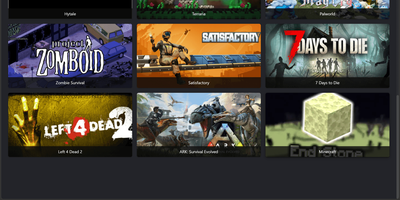
- Minecraft, Steam, Docker, Compose, and generic process instances across multiple SSH-connected Linux nodes are started, stopped, and monitored from a single web panel.
- Crash Diagnosis With Context
- The built-in assistant reads live logs, files, and node metrics directly, proposes fixes as reviewable diffs, and grades every action by risk level before execution.
- Self Healing With Rollback
- Saki Watch records unexpected exits and error fingerprints, restarts patched instances for verification, and rolls back automatically when a fix fails its health checks.
- Daily Admin Tools Built In
- Web terminal, file manager with editor, database workspaces, scheduled tasks with run history, and templates replace the usual pile of separate utilities.
Features
- Nine Instance Types
- Generic commands, Node.js, Python, Java JAR, shell scripts, Docker containers, Compose stacks, Minecraft, and Steam game servers share lifecycle controls and logs.
- Multi Node Management
- Daemon nodes register automatically, keep heartbeat connections, collect system metrics, and accept connectivity tests from the central panel over SSH.
- Local Or Cloud Models
- Ollama and LM Studio keep AI assistance on your own hardware, while cloud providers, Skills, and MCP tools extend what the assistant can do.
- Access Control And Auditing
- Role-based permissions with dozens of codes, login rate limits, dangerous command blocking, and audit logs trace who did what across the panel.
- Incident Notifications
- Webhooks, DingTalk, WeCom, and Telegram alerts report crashes and escalations, with reliability reports summarizing instance health over time.