Categories
Self-Hosted AI Image Generation AI Video Generation Video Editing GPU Management ComfyUI Creative Studio Generative MediaStars
Forks
Watchers
Developer links
Afflatus
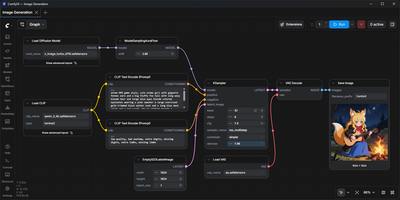
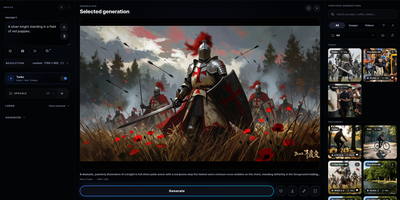
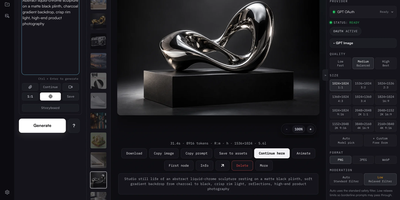
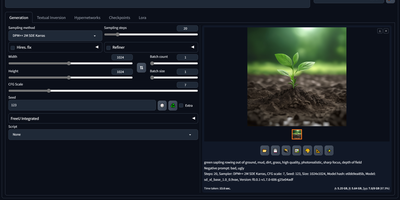
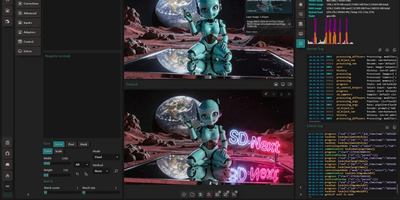
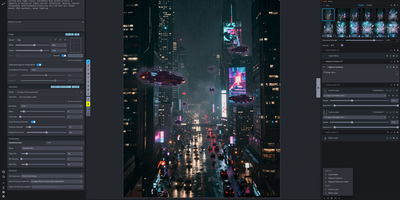
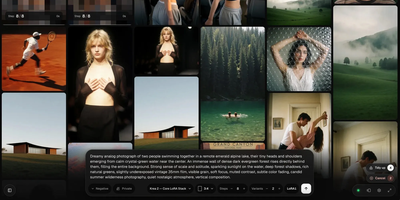
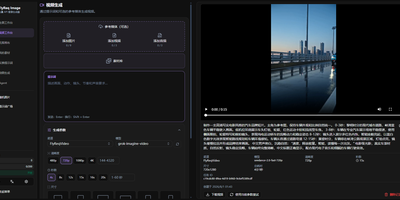
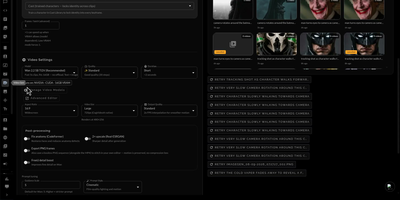
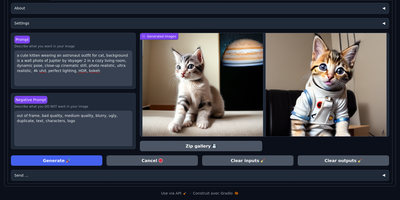
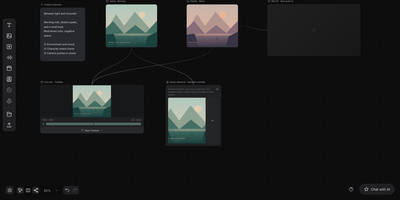
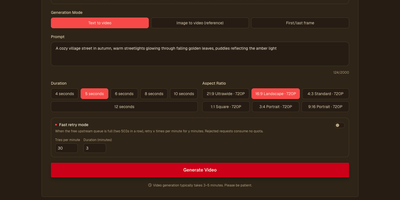
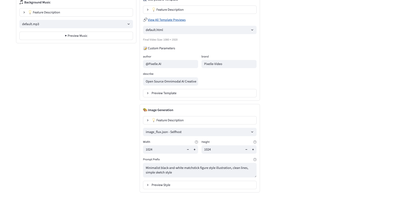
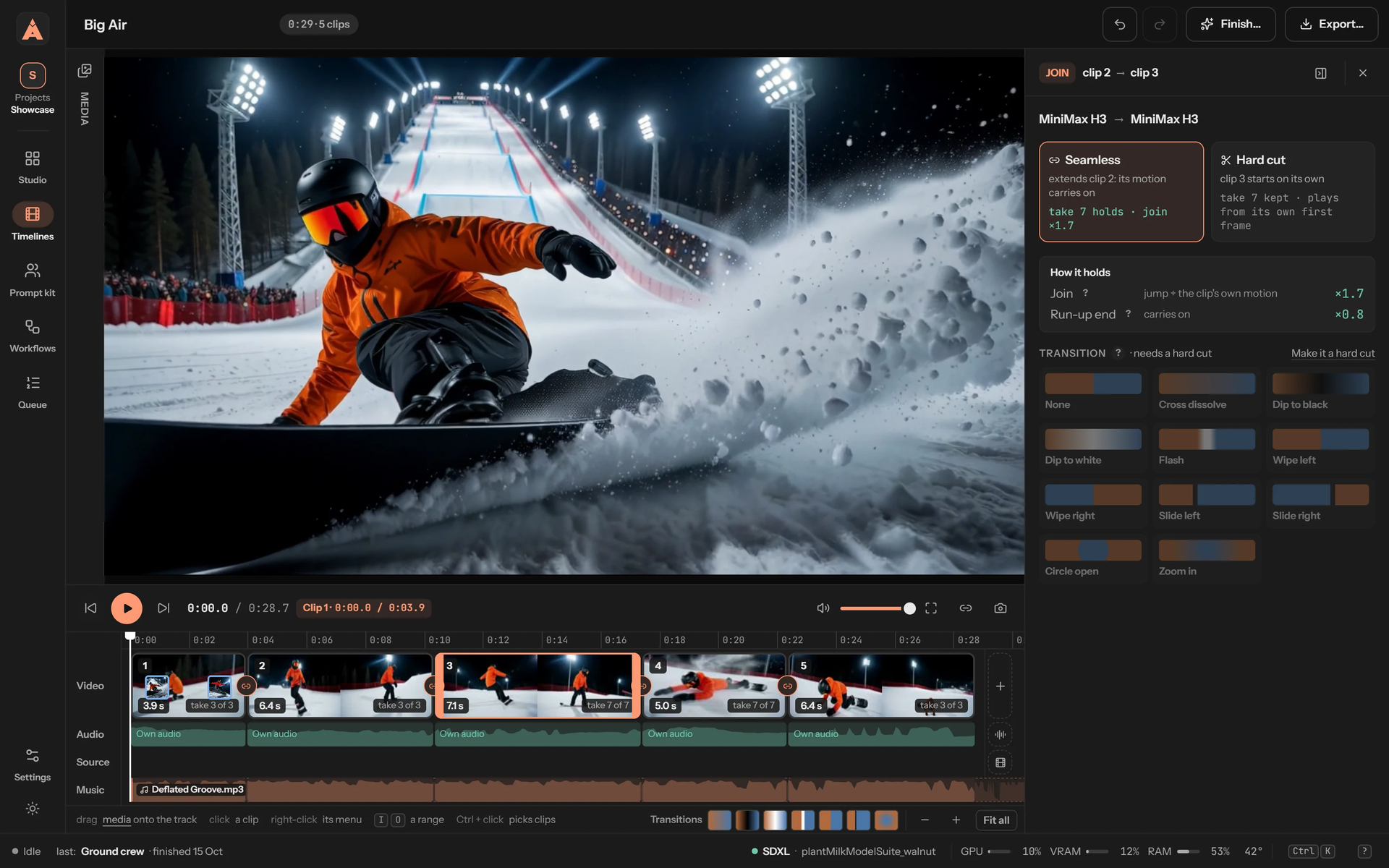
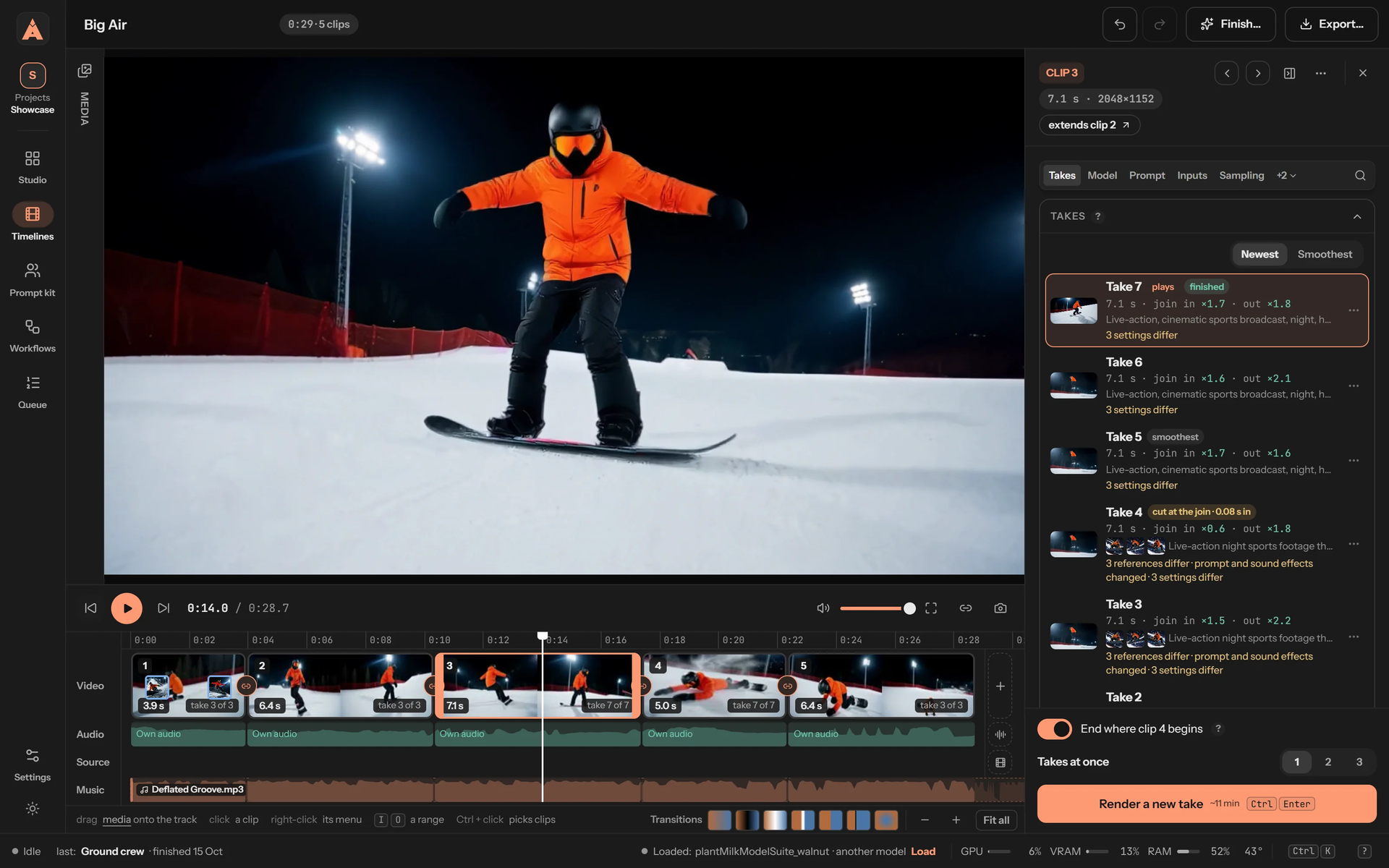
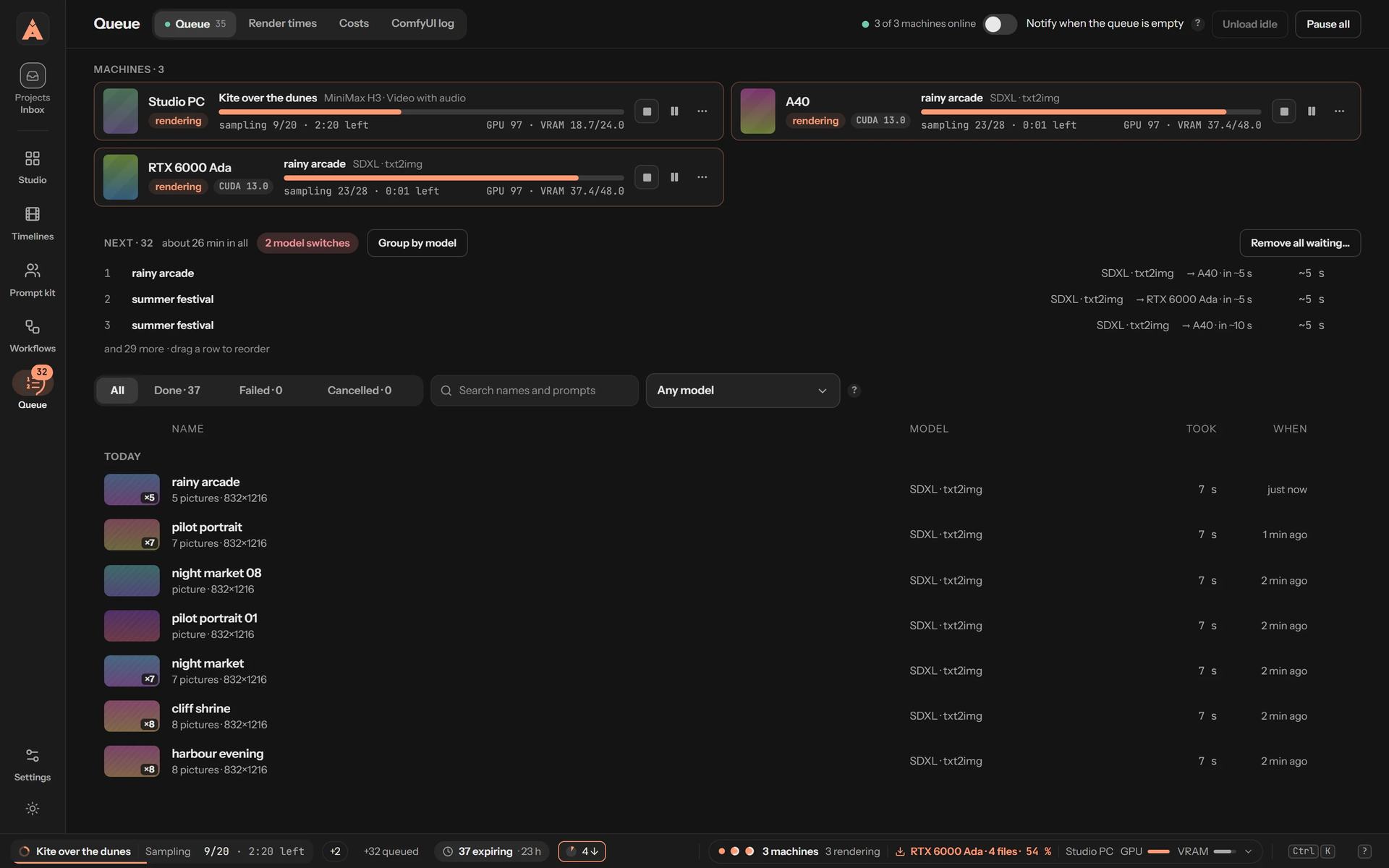
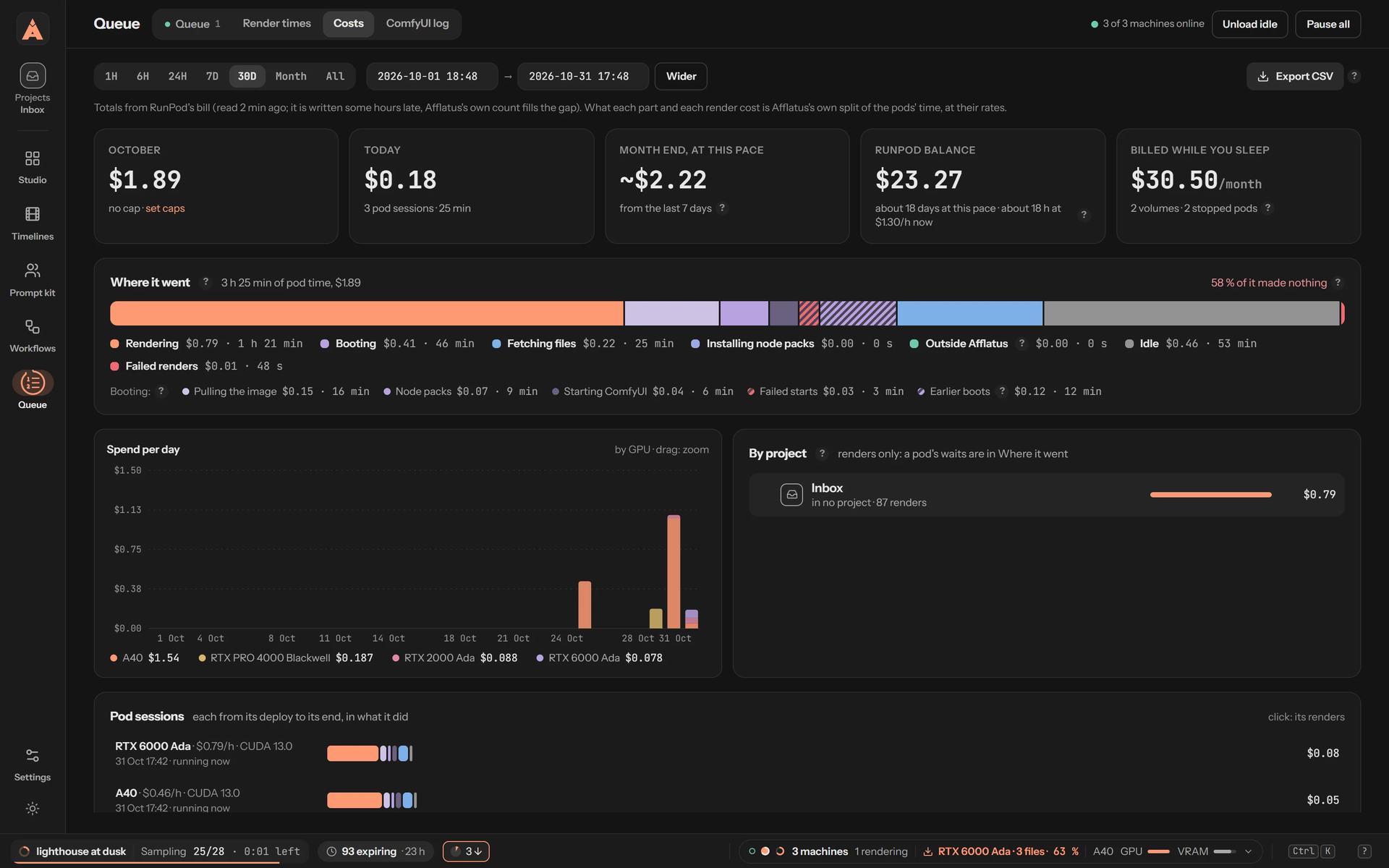
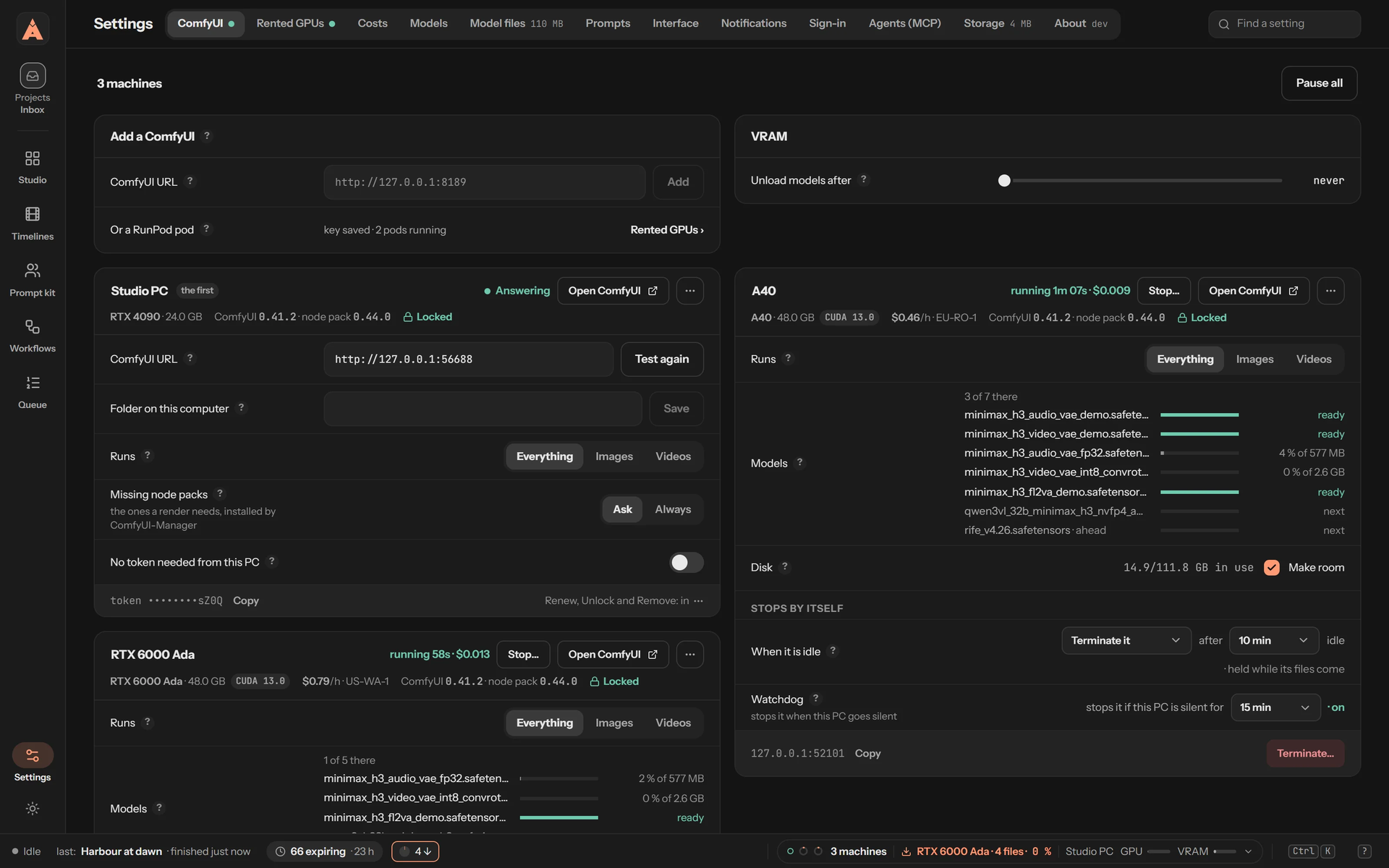
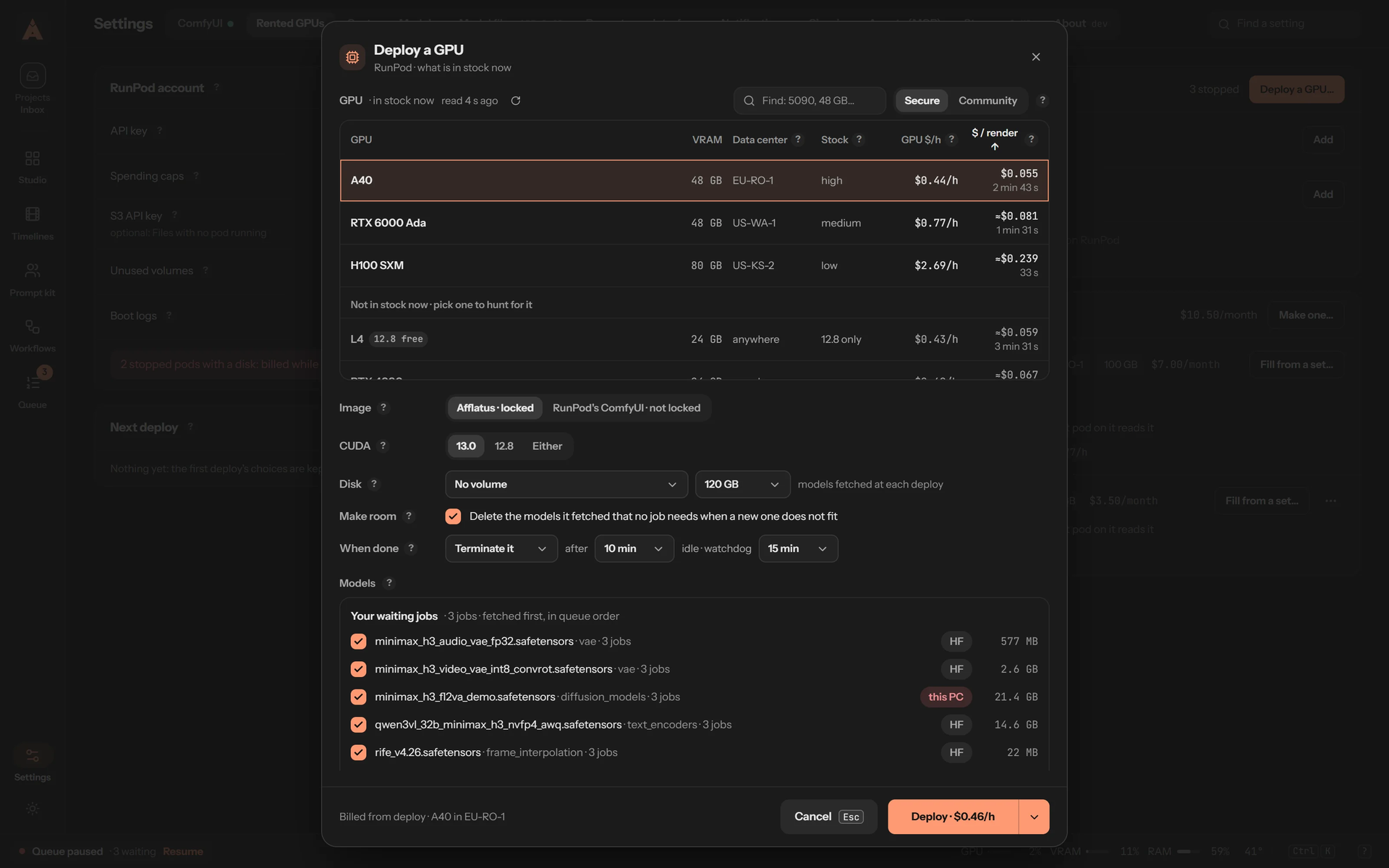
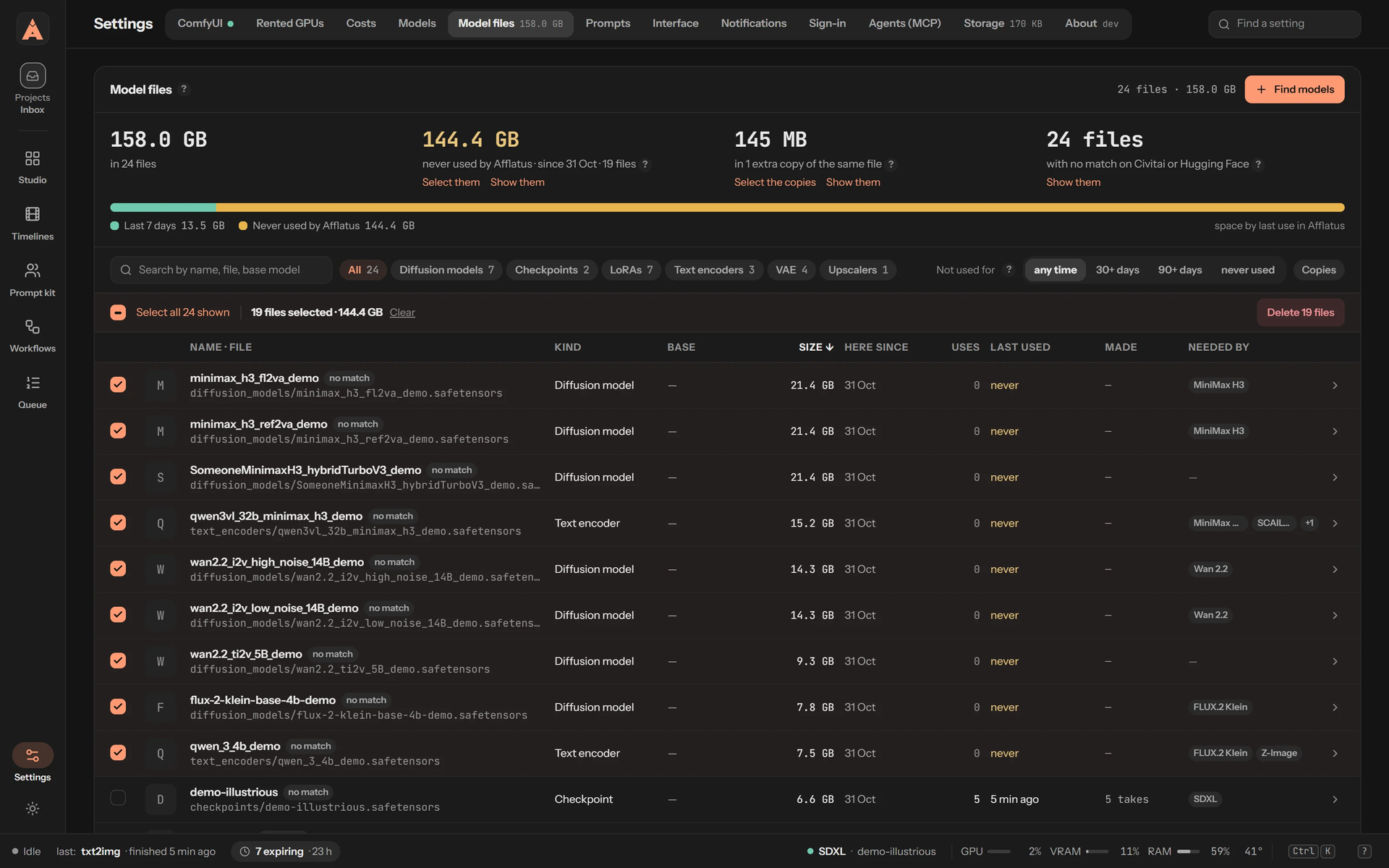
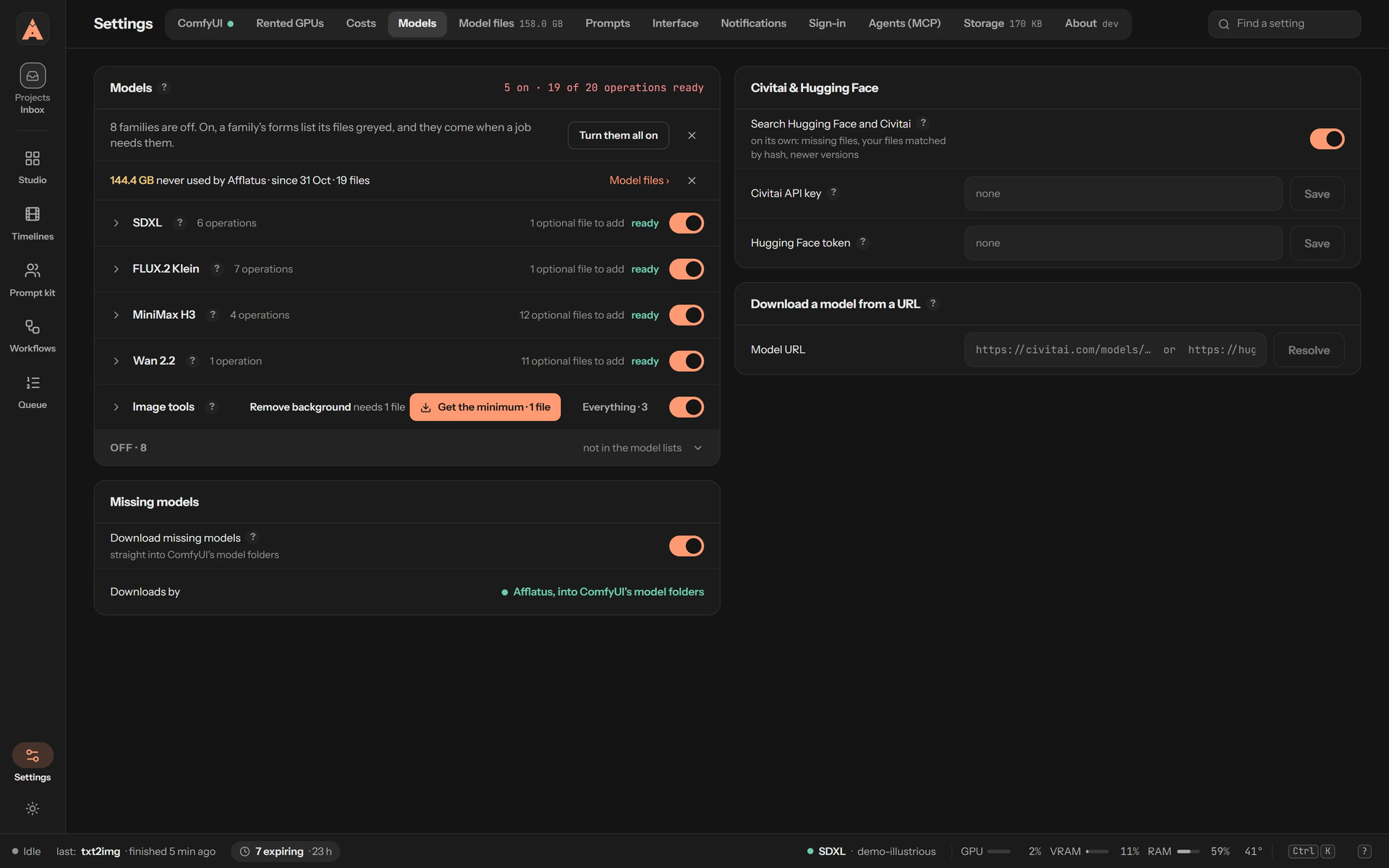
A studio with a library, a clean form for every model, and a timeline that makes real videos, Afflatus sits in front of your own ComfyUI so nobody wires a node graph. Forms cover SDXL, FLUX, Krea 2, Qwen Image, and Z-Image for pictures, plus MiniMax H3, LTX, and Wan 2.2 for video. A prompt designer writes in each model's own grammar through LM Studio, Ollama, or a hosted service. Renders land in a searchable library of projects and drafts that keeps seeds and settings, and one box finds anything by kind, model, LoRA, or words. Paint a mask and fix it, draw boxes for edits, or plot an X/Y/Z grid. The timeline chains any clip after any other and carries motion across the joins, with dissolves, wipes, and flashes where models change. Takes carry measured join scores with the smoothest marked, and exports are zips for DaVinci Resolve, Premiere Pro, or Kdenlive. One queue sends each job to whichever ComfyUI finishes first, a PC on your network or a RunPod pod rented with your key, ranking GPUs by cost per render and stopping idle ones. A Prompt kit keeps your cast, places, and styles consistent from render to render. Claude Code and other agents drive the studio over MCP with scoped tokens. Running on a dedicated VPS on RepoCloud with guaranteed CPU, RAM, and SSD, full root SSH access, and a browser serial console. AGPL-3.0 licensed.
Benefits
- Skip the node graph entirely
- Each model gets a form on its authors' own settings, and an imported ComfyUI workflow becomes a form too, with its missing node packs and model files named for you.
- Rent GPUs without watching the clock
- Deploy a RunPod pod from one dialog with GPUs ranked by cost per render, then let the idle stop, a watchdog, and daily or monthly caps end the spending.
- Takes you can measure, not guess
- Each take carries join figures for brightness, sharpness, grain, pace, color, and flicker; the smoothest join is marked and the choice of which take plays stays yours.
- A studio that agents can drive
- Claude Code or any MCP client works the studio at /mcp with its own token, scoped to Look, Make, Spend, or Manage, with an hourly render limit and a spend cap.
Features
- Per-model forms
- Forms for SDXL, FLUX.1, FLUX.2 Klein, Krea 2, Qwen Image, Z-Image, MiniMax H3, LTX 2.3, LTX 2.5, and Wan 2.2 run on each model's authors' settings.
- Film timeline
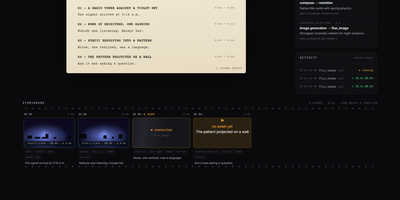
- Chain clips with MiniMax H3 latent continuation, dissolves, wipes, and flashes, regenerate a range, and export zips for DaVinci Resolve, Premiere Pro, or Kdenlive.
- Paint and fix
- Mask with a soft brush, lasso, or face, hand, and person detectors, outpaint, edit in boxes, and guide SDXL, FLUX.1, Qwen Image, and Z-Image with ControlNet.
- Multi-machine render queue
- Jobs route to the fastest ComfyUI, with Render times and Costs pages, RunPod deploy and GPU hunt, network volumes, and an idle stop for pods.
- Prompt kit and library
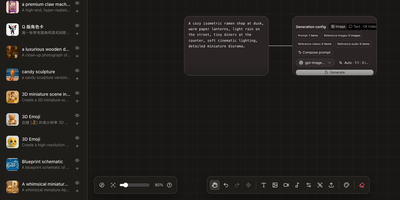
- Reusable people, places, styles, snippets, and presets sit beside a searchable library with keys like model:krea2 since:1m and a Ctrl+K command bar.
- MCP endpoint for agents
- Agents connect at /mcp with scoped tokens (Look, Make, Spend, Manage), hourly render limits, spend caps, and an Undo for what they change in an open page.