Stars
Forks
Watchers
Developer links
AnsibleForms
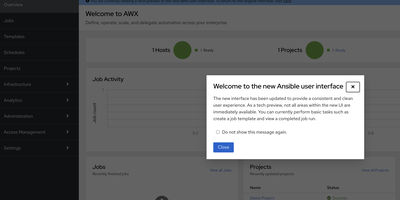
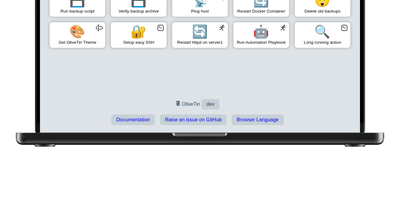
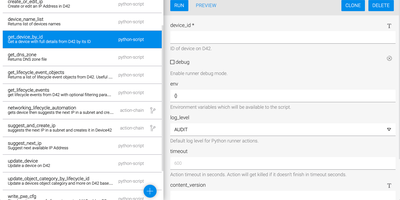
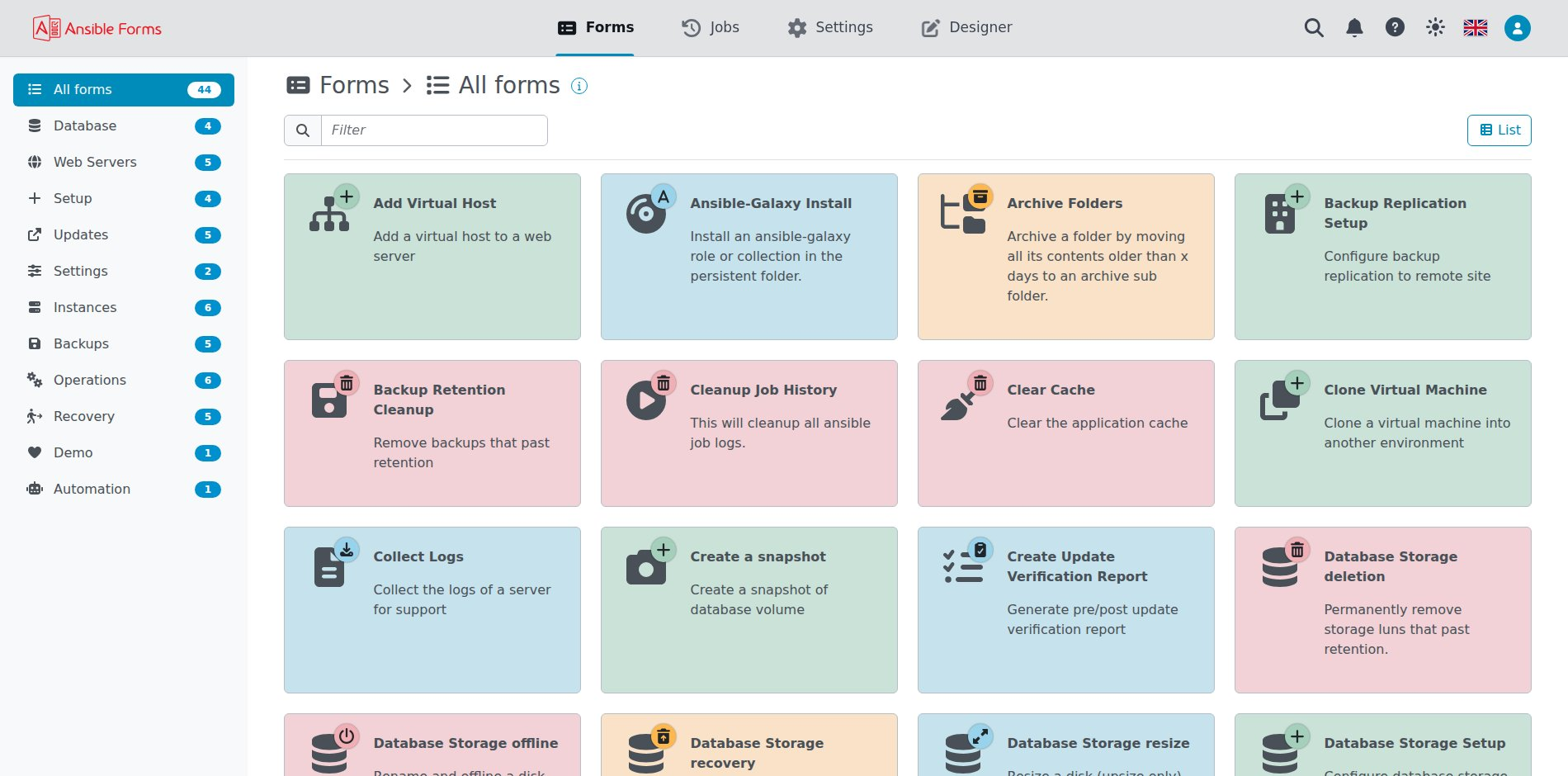
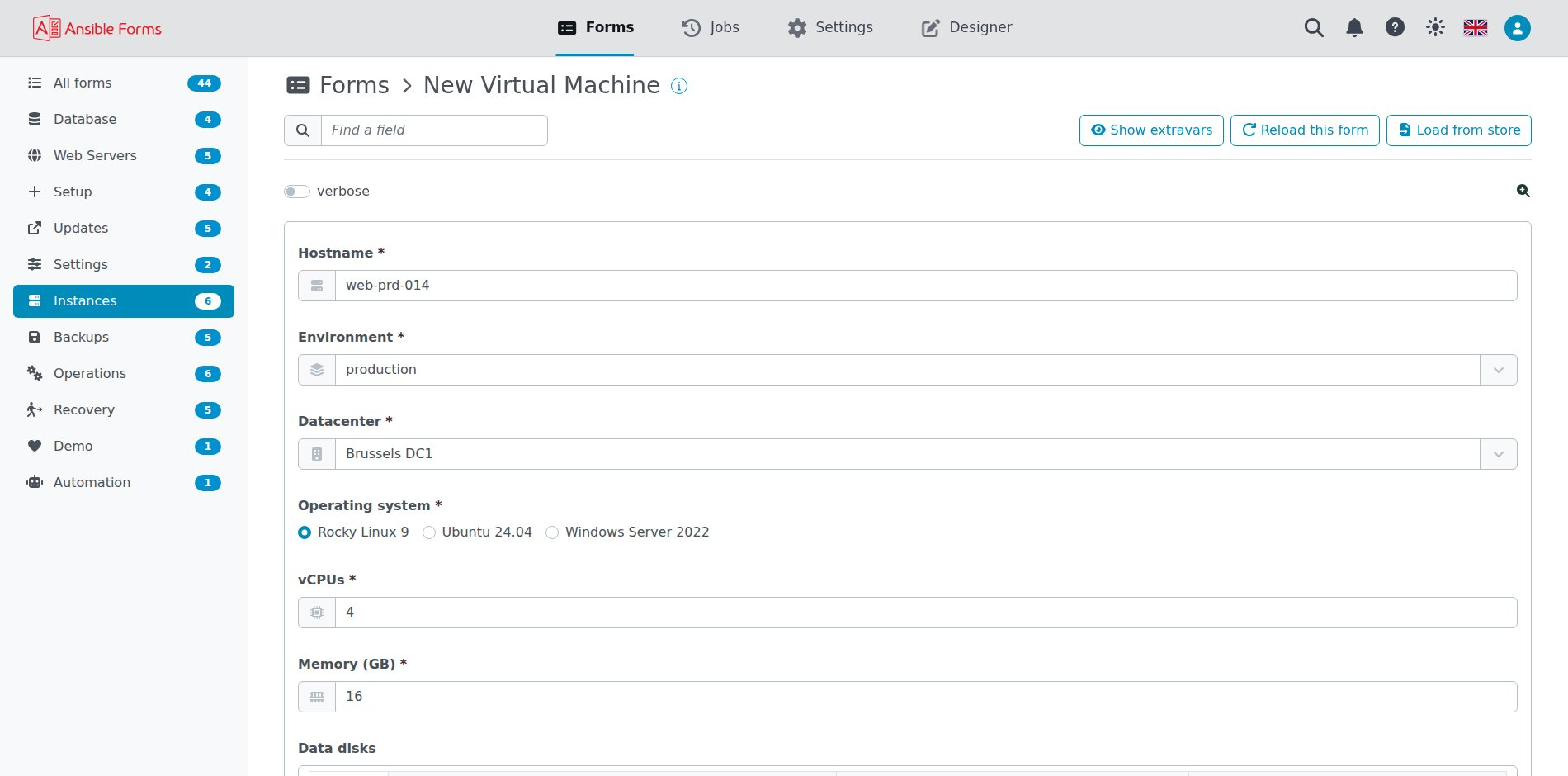
AnsibleForms turns Ansible playbooks into self-service web forms that colleagues can run safely, with the right variables, without filing a ticket or touching a terminal. A colleague picks the form, fills in fields that validate as they type, and the job launches with exactly the variables the playbook expects. Dropdowns can cascade from a database query, a REST call, or a small expression, so the environment list is never typed from memory and the wrong region is never an option. Forms feed playbooks running in runtime containers or templates on the AWX, Semaphore, Rundeck, or Jenkins servers you already have, and workflows chain them with conditions, success and failure paths, and an approval step when a person should look first. Runs can be scheduled, stored, aborted, and relaunched, with live output while they work and a full history afterward. Designers edit forms in the browser and keep everything in Git, sign-in stretches from local accounts to LDAP and OIDC, and credentials travel encrypted or straight from Vault. Running on a dedicated VPS on RepoCloud with guaranteed CPU, RAM, and SSD, full root SSH access, and a browser serial console. GPL-3.0 licensed.
Benefits
- Automation People Can Request
- Colleagues launch the playbooks they need from validated web forms instead of filing tickets, so automation runs on demand without an engineer relaying variables by hand.
- Wrong Inputs Become Impossible
- Cascaded dropdowns fed by databases, APIs, and expressions, plus server-side validation and dependent fields, mean the environment, region, and size are chosen, never mistyped.
- Every Runner You Already Have
- One form can drive a playbook container or a template on AWX, AAP, Ascender, Semaphore, Rundeck, or Jenkins, with workflows chaining runners under approvals and conditions.
- A Record of Every Run
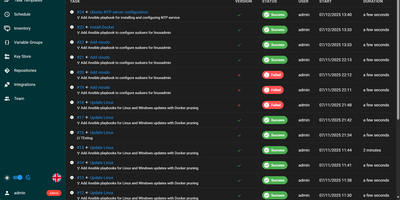
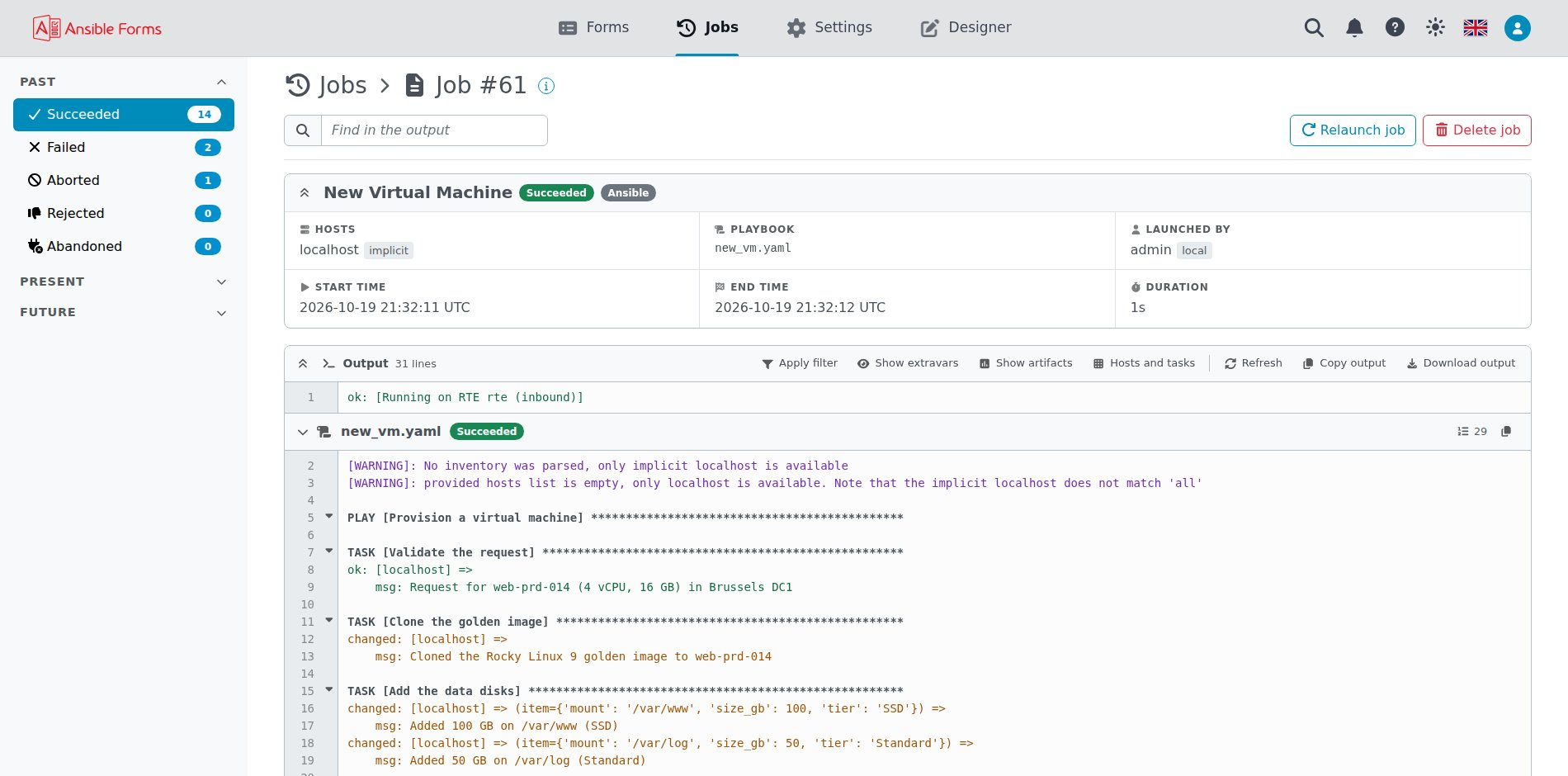
- Job history with live output, abort and relaunch, schedules, audit logs, and notifications by mail or chat show who ran what, with which values, and how it ended.
Features
- Dynamic Form Designer
- Build forms in the browser with field dependencies, wizard steps, and expressions, then keep forms, playbooks, and workflows versioned in Git repositories.
- Cascaded Data Sources
- Dropdowns populate from database queries, REST APIs, files, and JavaScript or jq expressions, so choices always reflect live systems.
- Workflows and Approvals
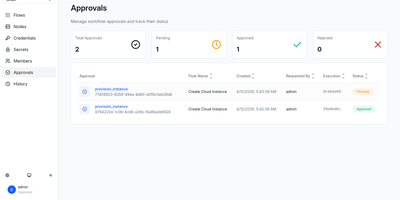
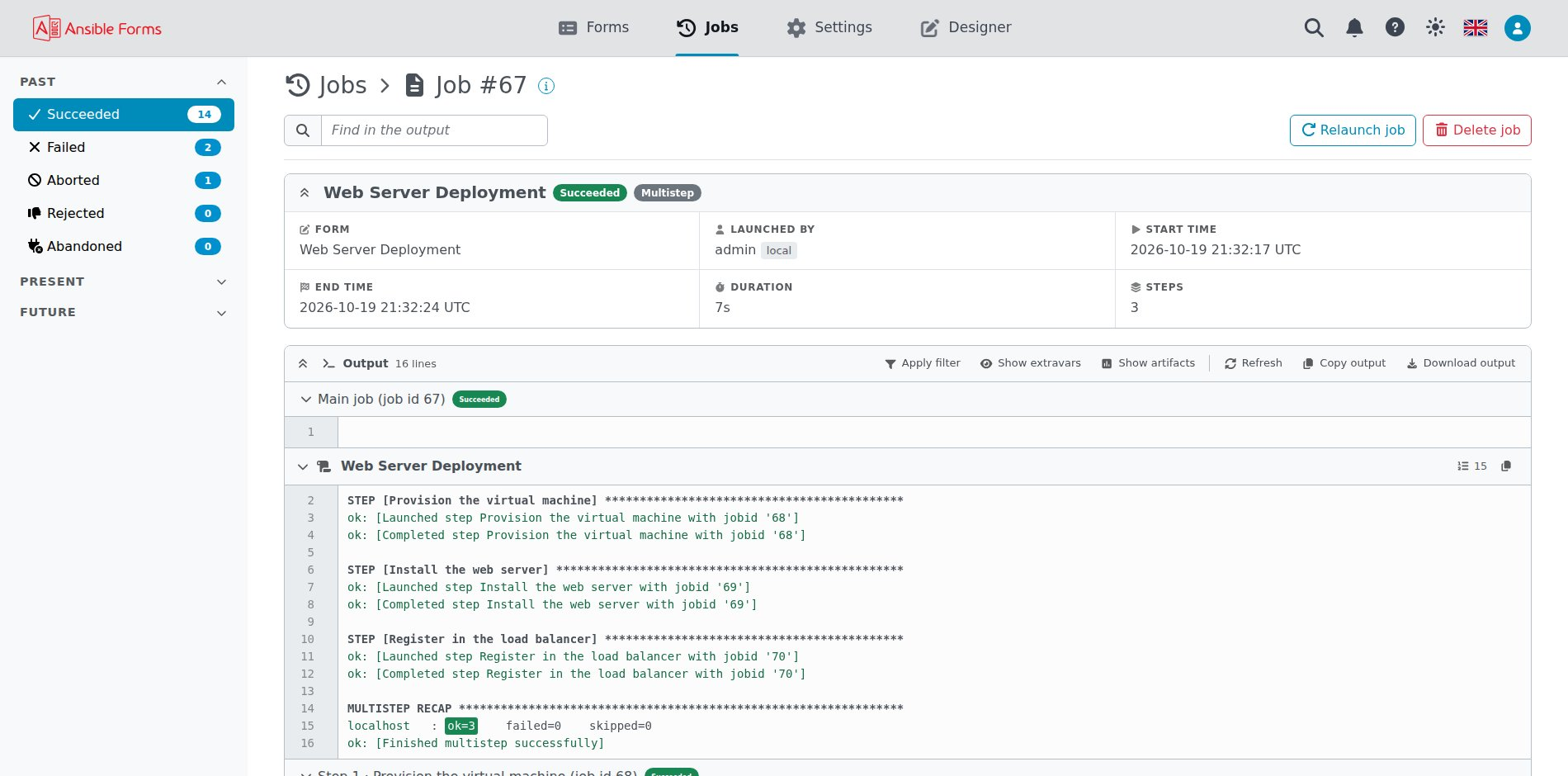
- Chain jobs across runners in a graph with conditions, approvals, and separate success and failure links, using familiar workflow syntax.
- Schedules and Job Control
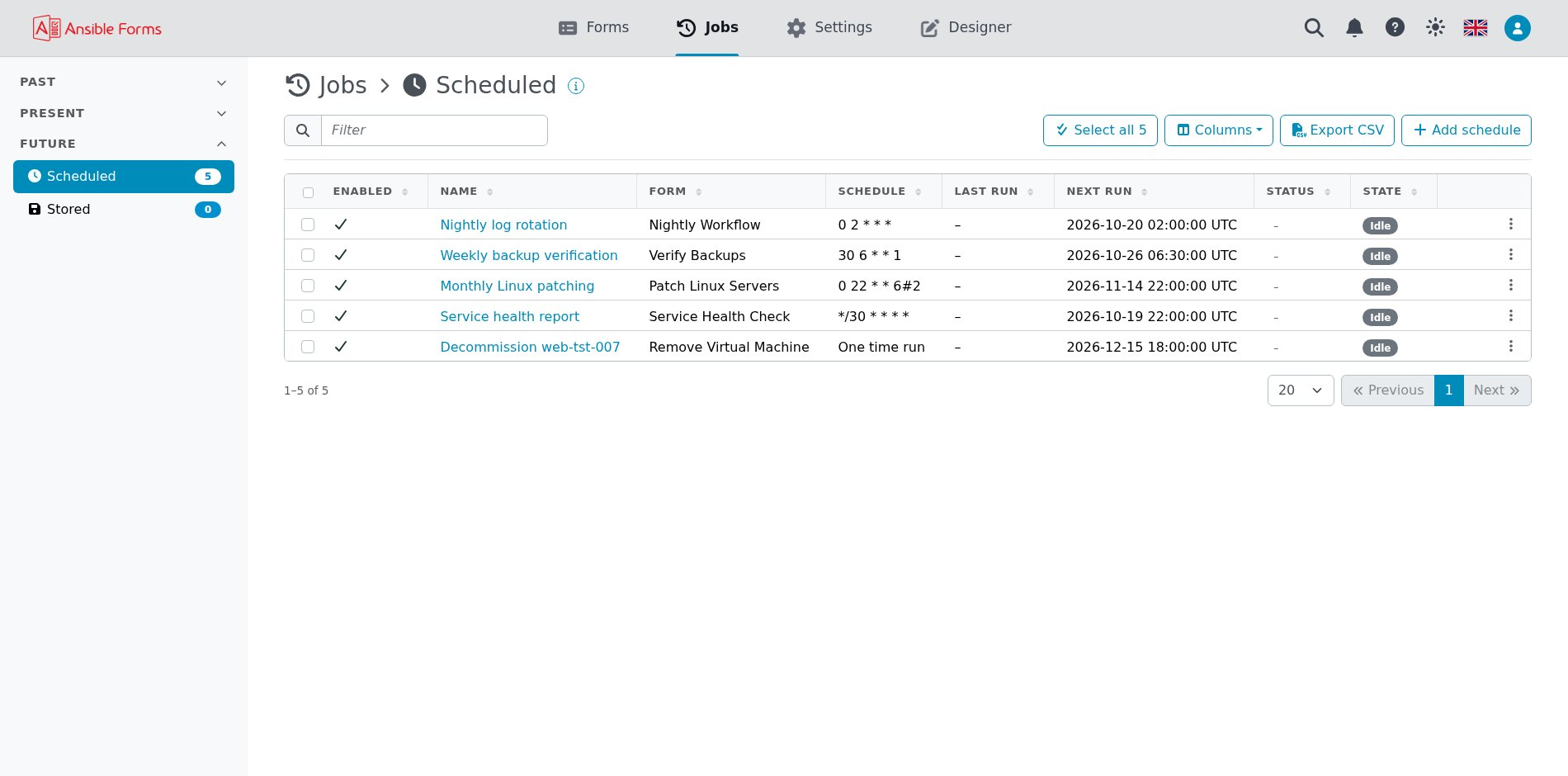
- Jobs run once, on recurring schedules, or stored for relaunch, with live output streaming, abort controls, and complete history.
- Identity and Credentials
- Local, LDAP, Entra ID, and OIDC logins with per-category roles meet credentials encrypted at rest or pulled from HashiCorp Vault and CyberArk.
- API, MCP, and Chat
- Everything the interface does is available over a REST API, an MCP server lets AI clients launch and follow forms, and an optional chat assistant guides users.