Categories
Self-Hosted Team Collaboration Incident Management Incident Response Case Management Security Operations Digital Forensics SOC ToolsStars
Forks
Watchers
Developer links
DFIR-IRIS
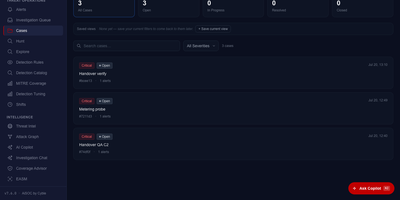
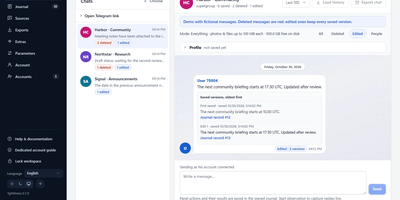
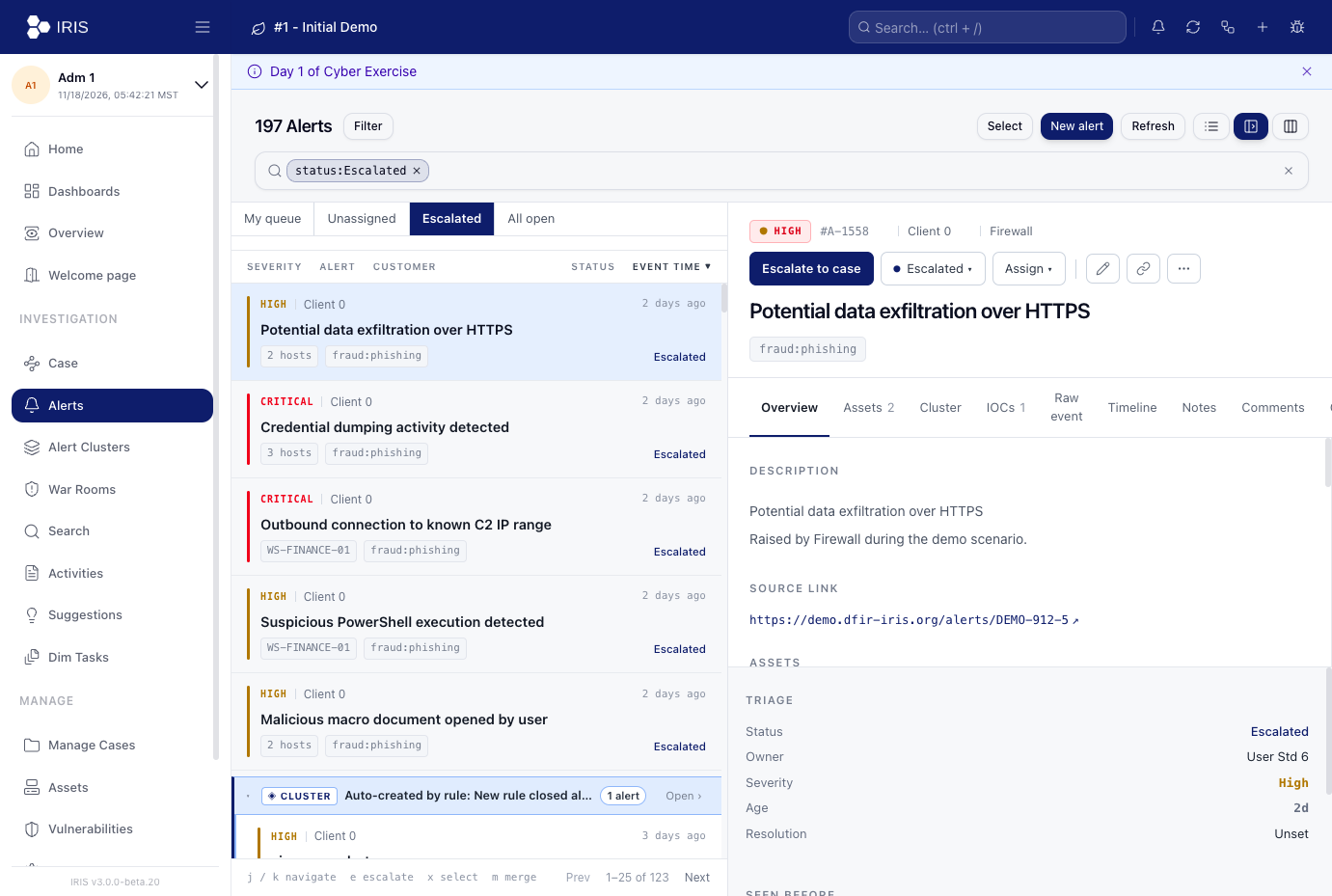
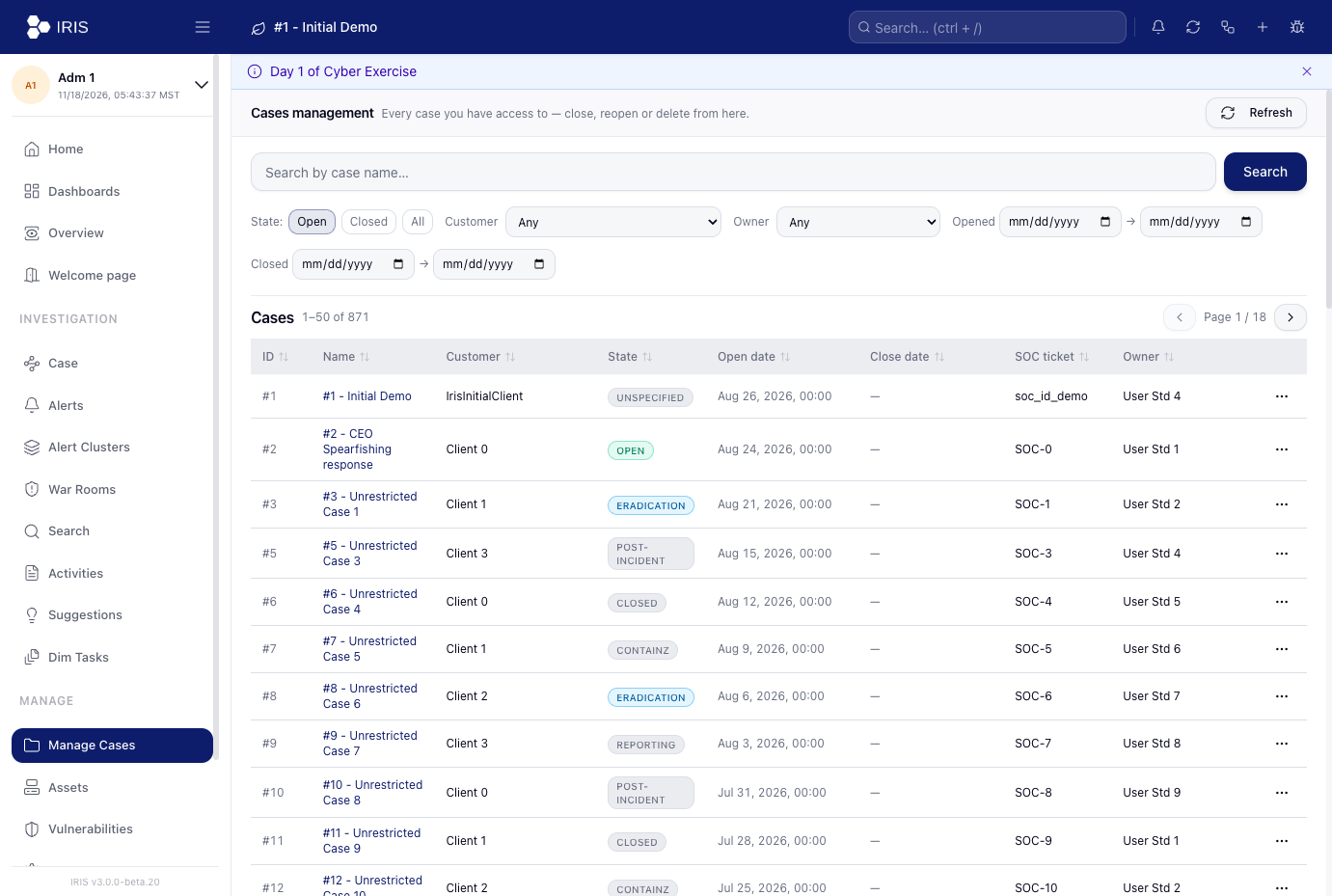
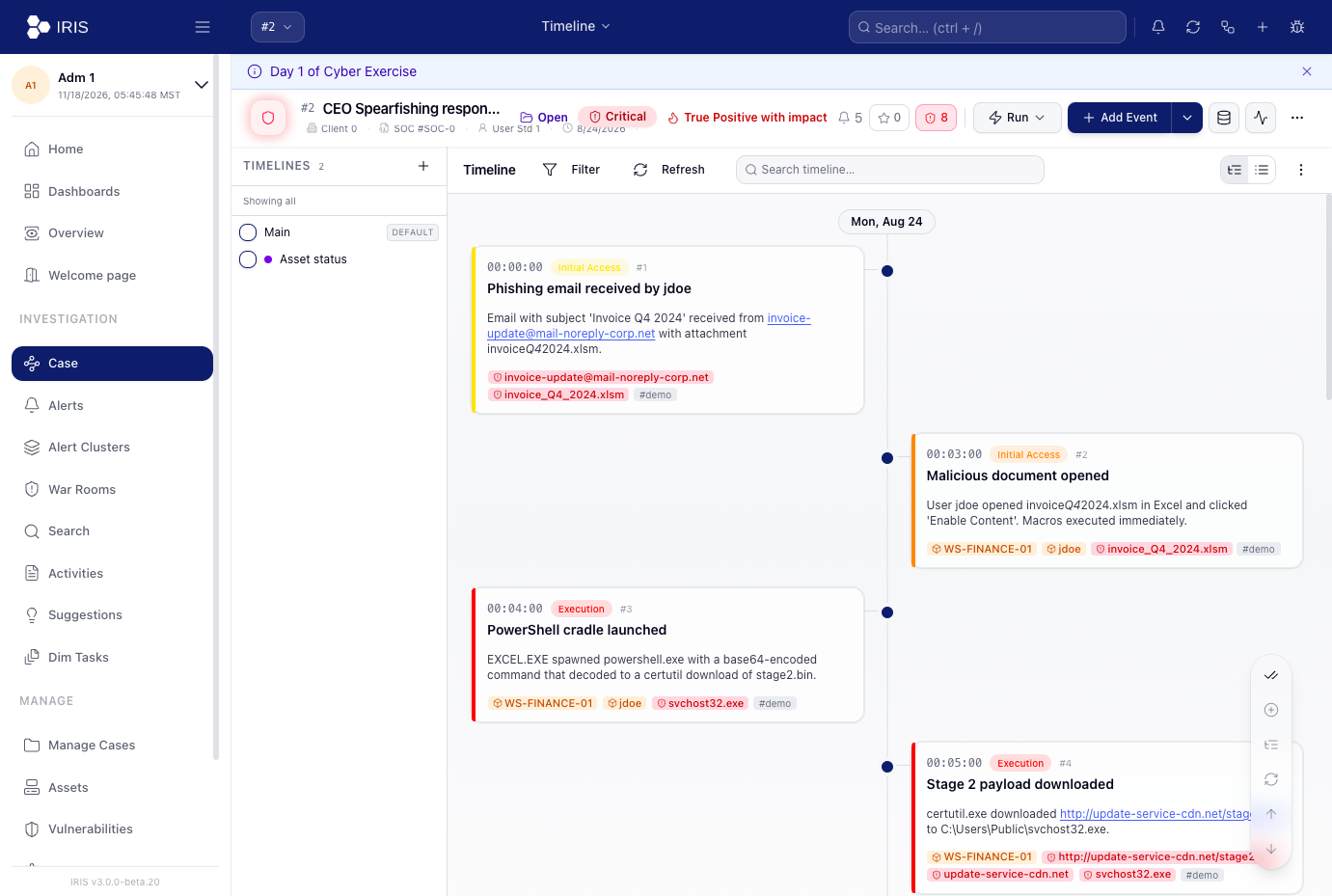
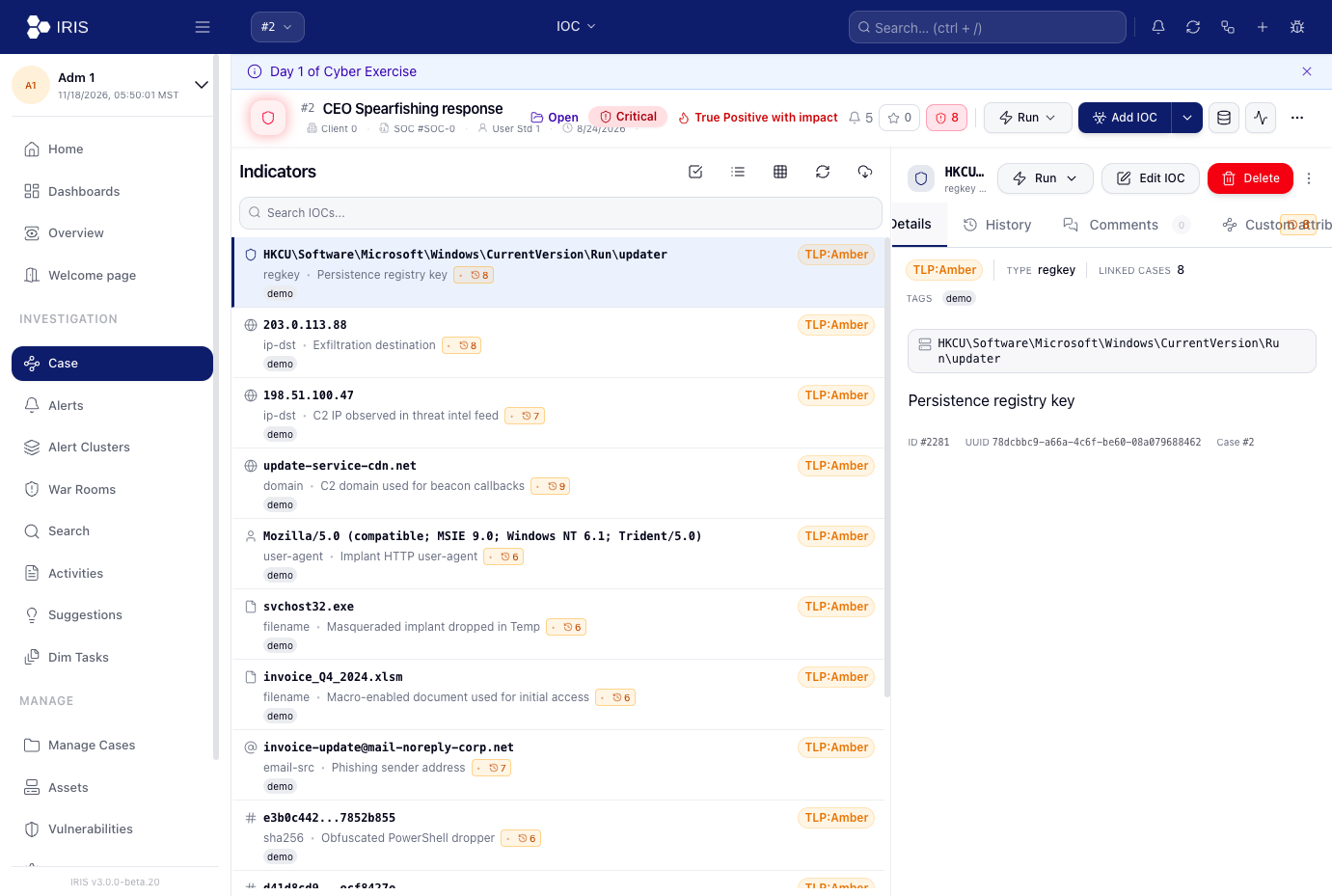
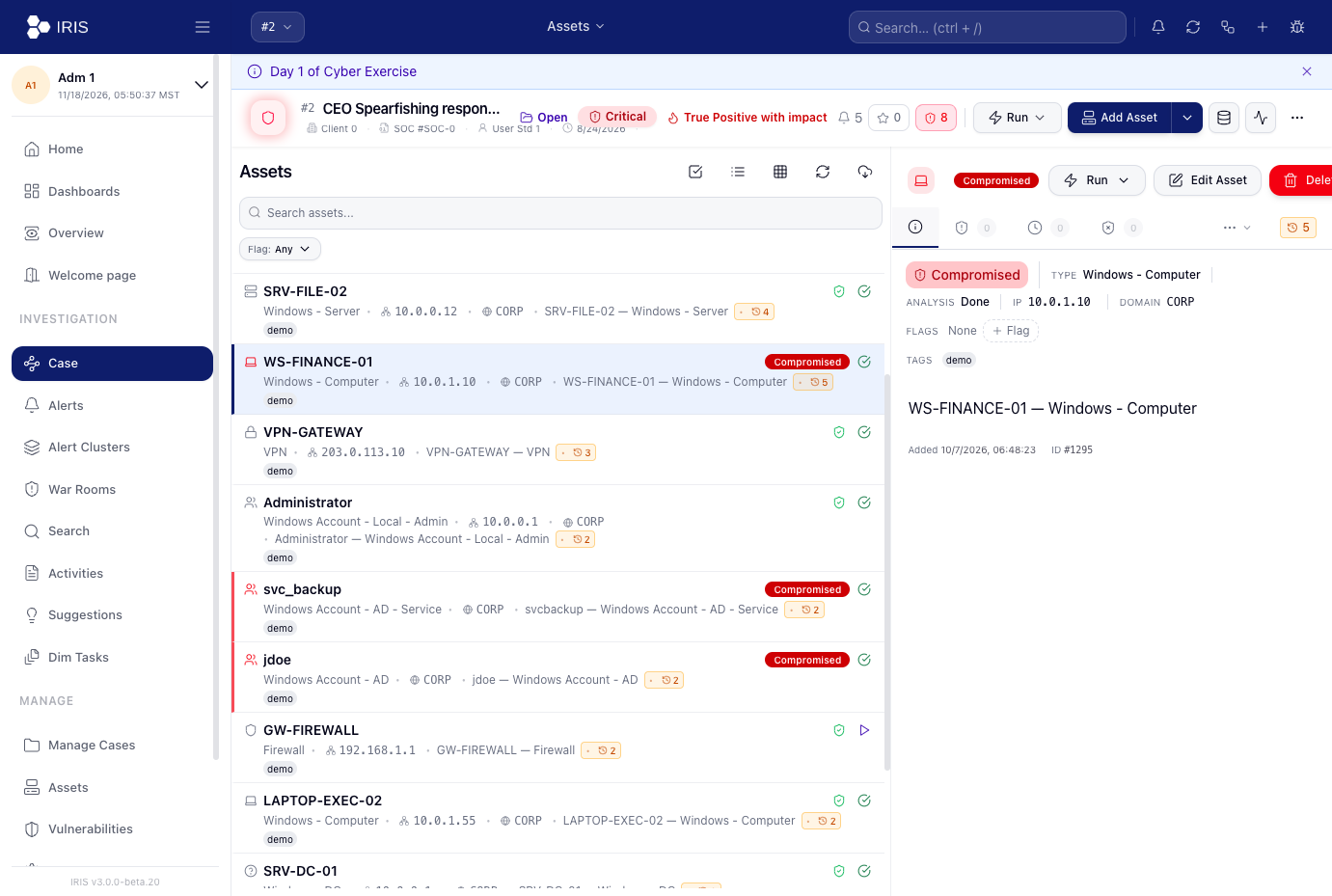
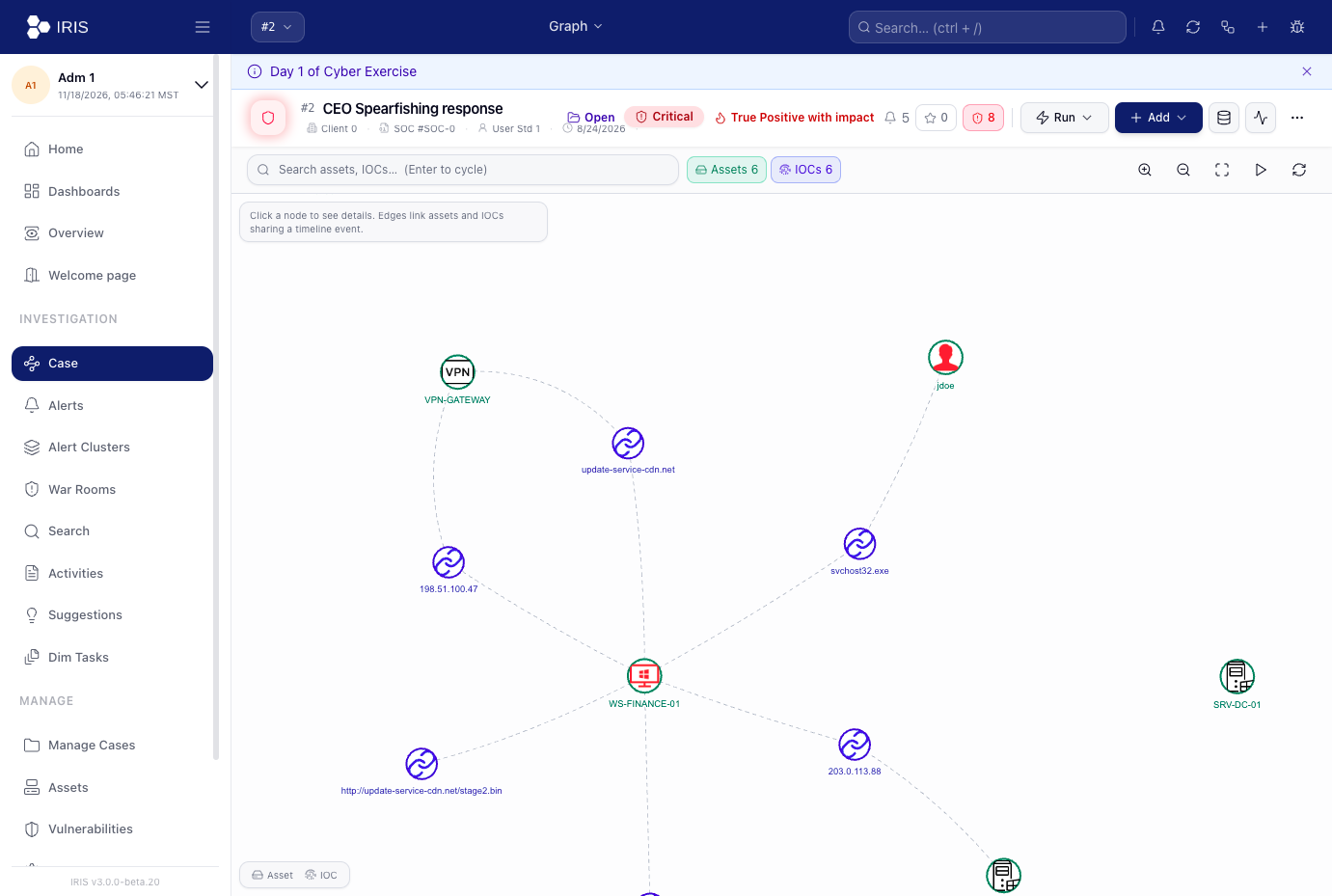
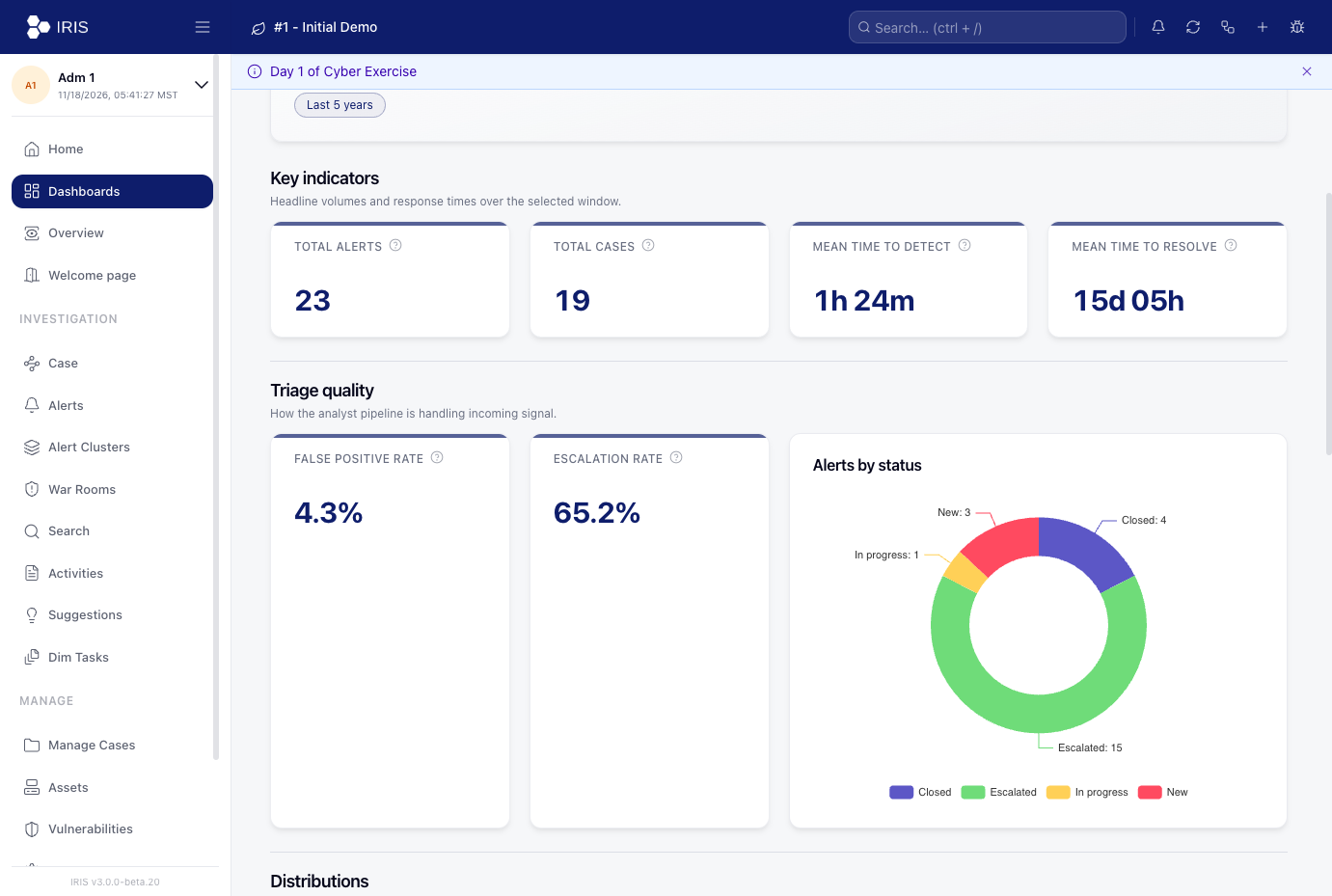
Incident response teams get one shared workspace for alerts, cases, evidence, and timelines in DFIR-IRIS, a free, self-hosted platform built for collaborative investigations. Alerts from SIEM and EDR tools arrive through an API, where analysts triage them, assign owners, and merge or escalate them into cases. Cases record a customer, classification, and SOC ticket ID, and case templates pre-fill the summary, tags, tasks, and note folders so every incident starts from your playbook. Assets, IOCs with TLP levels, tasks, notes, and uploaded evidence sit side by side in the case. The timeline orders events chronologically and files them under categories such as Initial Access, Lateral Movement, and Exfiltration. The case graph maps how assets, IOCs, and events connect. Modules enrich indicators with VirusTotal or MISP and push events to Slack, Microsoft Teams, Discord, or automation tools such as Shuffle. A datastore keeps case files organized, with IOC files wrapped in password-protected archives. Investigation and activity reports export to DOCX, Markdown, or HTML from templates your administrators manage. Customers, groups, and per-user rules decide who can see, read, or edit each case, and custom attributes extend any case object with the fields your team needs. Running on a dedicated VPS on RepoCloud with guaranteed CPU, RAM, and SSD, full root SSH access, and a browser serial console. LGPL-3.0 licensed.
Benefits
- Keep Every Responder on One Record
- Alerts, assets, IOCs, tasks, notes, evidence, and timeline events all live inside a single case, so analysts working the same incident stop reconciling spreadsheets and chat threads.
- Turn Alerts Into Cases Fast
- Any tool that can send HTTP requests can feed the alerts API; analysts assign each alert, then merge or escalate it into a case that a template has already pre-filled.
- Enrich Indicators in Place
- Once configured, the VirusTotal and MISP modules fetch insight when you right-click IOCs, or automatically whenever an indicator is created or updated, so context lands next to the evidence.
- Separate Clients With Access Control
- Customers, groups, and per-user rules grant deny, read-only, or full access to each case, and alerts are limited by customer membership, so analysts only see the work they are meant to.
Features
- Alerts API and Triage
- Any HTTP client with a service account holding alerts_read and alerts_write permissions can inject alerts; analysts then view, assign, merge, and escalate them into cases.
- Timeline and Case Graph
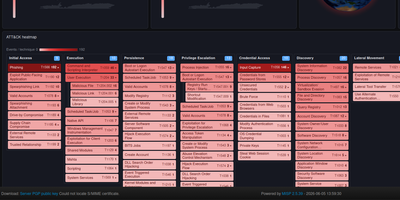
- Events are categorized with ATT&CK tactic names such as Initial Access and Lateral Movement, and a graph view draws relations between assets and events across the case.
- VirusTotal and MISP Modules
- The IrisVT and IrisMISP modules enrich IOCs on demand from a right-click, or automatically on create and update, after an administrator configures them.
- Webhooks, REST API, Python Client
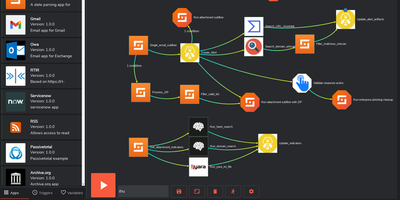
- IrisWebHooks forwards events to Slack, Microsoft Teams, Discord, Tines, or Shuffle, while the REST API and Python client automate almost every task the interface offers.
- Reports and Case Templates
- Case templates pre-fill summary, classification, tags, tasks, and notes; report templates export investigation or activity reports to DOCX, Markdown, or HTML.
- Local, LDAP, and OIDC Login
- Users sign in against the local database, an LDAP server, or an OIDC provider, with service accounts reserved for API access and no UI login.