Stars
Forks
Watchers
Developer links
Wildbox
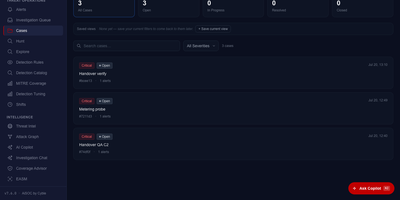
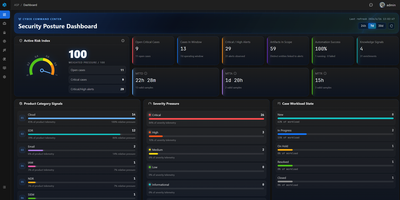
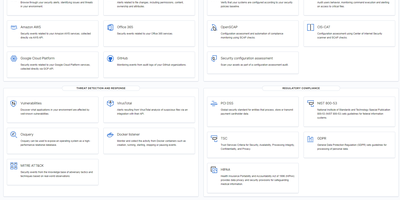
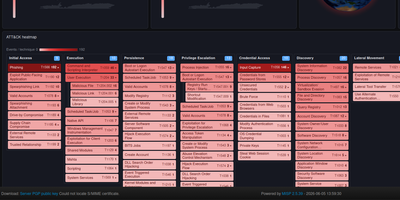
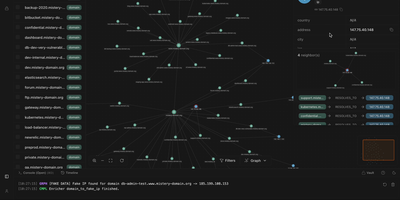
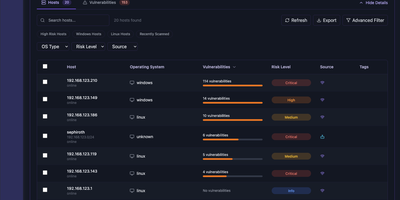
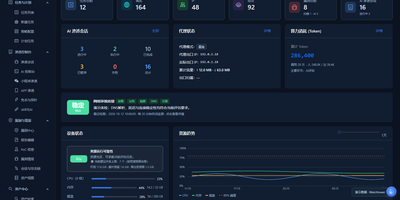
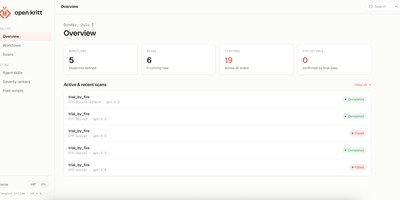
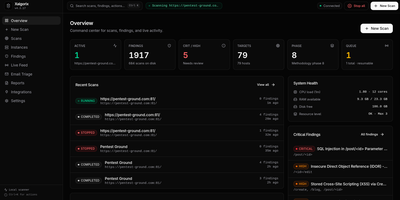
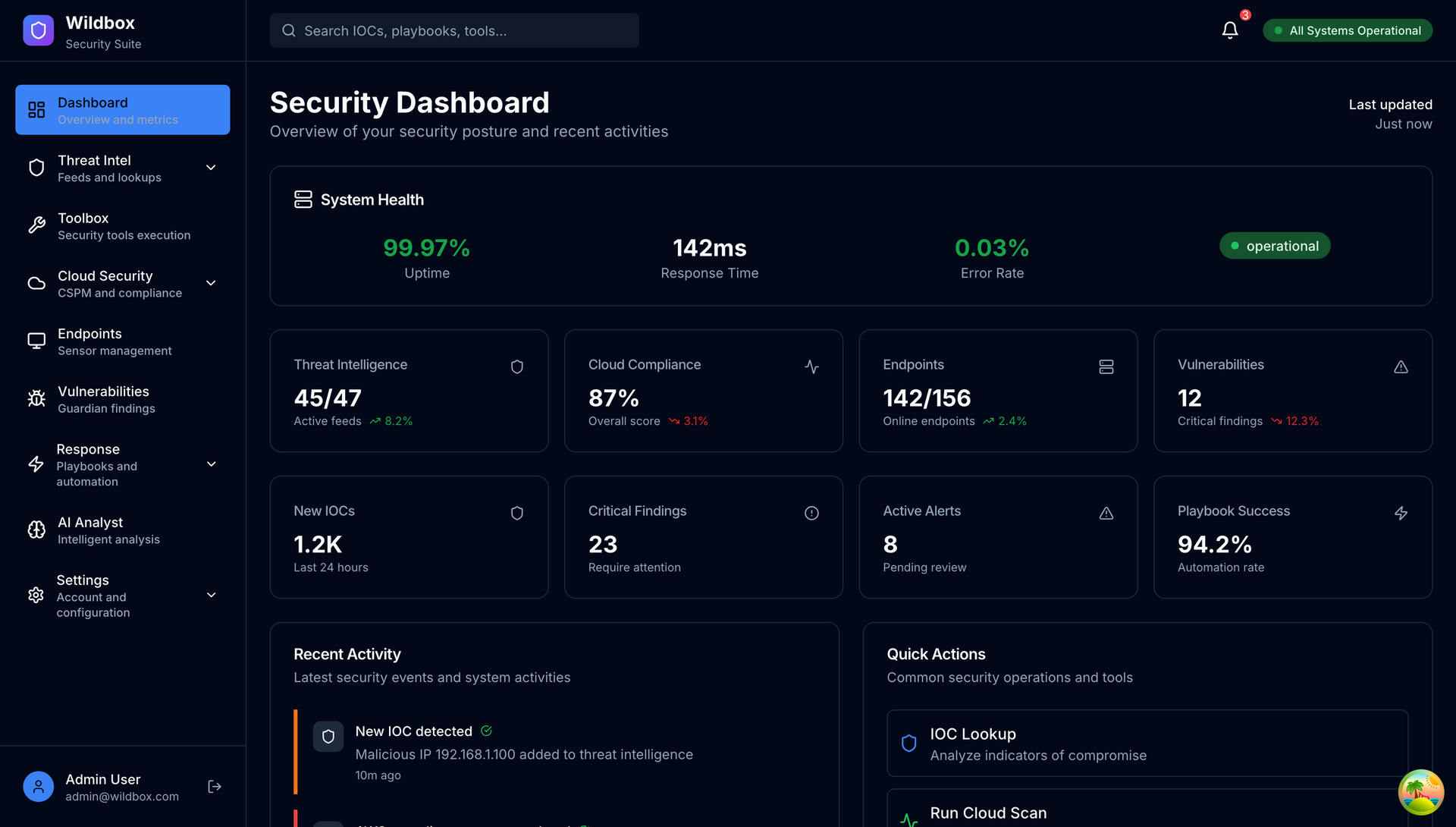
Enterprise security stacks assume an enterprise budget; Wildbox assumes a server you already own. It runs your whole security operation as a set of cooperating services behind a single HTTPS gateway: threat intelligence collectors pull indicators from seven public feeds on a schedule, starting with abuse.ch's Feodo Tracker, and every indicator is searchable in one place. Fifty-two security tools sit behind one API, covering DNS, TLS, email security, headers, and port analysis. The cloud posture service runs 22 configuration checks against your live AWS accounts and keeps each scan's report, while the vulnerability service inventories your assets, prioritizes findings by risk, and tracks them through remediation with SLA checks and alert rules. When something needs doing, YAML playbooks execute response workflows as background jobs, and the agents service writes Claude-generated threat-enrichment reports for suspicious indicators when you give it an API key. An osquery-based sensor streams endpoint telemetry from your hosts into the platform, kept separate per team. Users, teams, roles, and scoped API keys live in the identity service, and the backends accept nothing that did not arrive through the gateway, so your security data never leaves hardware you control. Optional Compose profiles add n8n automation and Prometheus monitoring. Running on a dedicated VPS on RepoCloud with guaranteed CPU, RAM, and SSD, full root SSH access, and a browser serial console. MIT licensed.
Benefits
- One Gateway, Every Service
- All traffic enters through a single OpenResty HTTPS gateway with authentication and per-IP, per-team rate limiting. Backends bind to localhost and reject anything lacking the gateway's proof-of-origin secret.
- Fifty-Two Tools, One API
- DNS, TLS, email security, header, and port checks run behind a unified execution API, so a small team gets scanner breadth without juggling a dozen separate utilities and logins.
- Playbooks Instead Of Pagers
- Incident response becomes YAML playbooks executed as background jobs by the responder service: repeatable, reviewable automation for triage and remediation instead of improvised 3 a.m. shell sessions.
- Your Data Stays Home
- PostgreSQL and Redis publish no ports, telemetry is stored per team, and the only external calls are the threat feeds you enable and the optional Claude analysis you configure yourself.
Features
- Threat Intelligence Feeds
- Scheduled collectors gather indicators from seven public feeds, with abuse.ch Feodo Tracker as the keyless default source, all searchable from the data service.
- AWS Posture Checks
- The CSPM service runs 22 configuration checks against live AWS accounts and retains every scan report; scans of unsupported providers are refused outright.
- Vulnerability Tracking
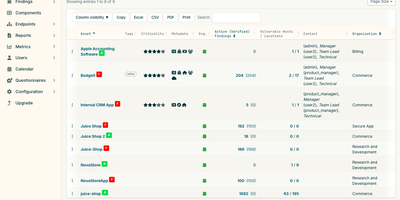
- Guardian keeps an asset inventory with findings, risk-based prioritization, remediation state, SLA checks, and alert rules through to closure.
- osquery Endpoint Sensor
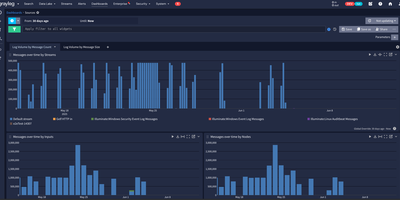
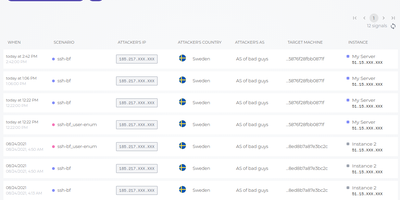
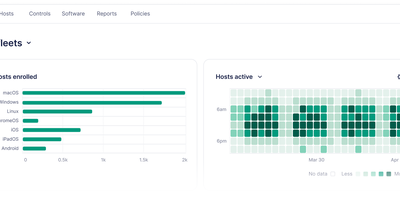
- Hosts run an osquery-based sensor that ships telemetry through the gateway using a team member's API key, stored per team for investigation.
- Claude Threat Enrichment
- The agents service asks Anthropic Claude for threat-enrichment reports on indicators once you set an API key; the rest of the platform works without it.