SaaS Alternative
Relevance AI LangSmith Deployment Amazon Bedrock AgentCore Microsoft Foundry Agent Service CrewAI AMPCategories
Self-Hosted MCP Human-in-the-Loop LLMOps Multi-Agent Orchestration AI Agent Platform Cost Control Agent RuntimeStars
Forks
Watchers
Developer links
Euron Open AgentOS
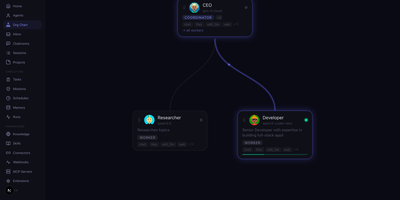
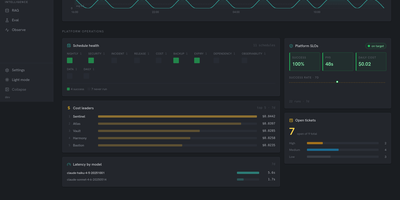
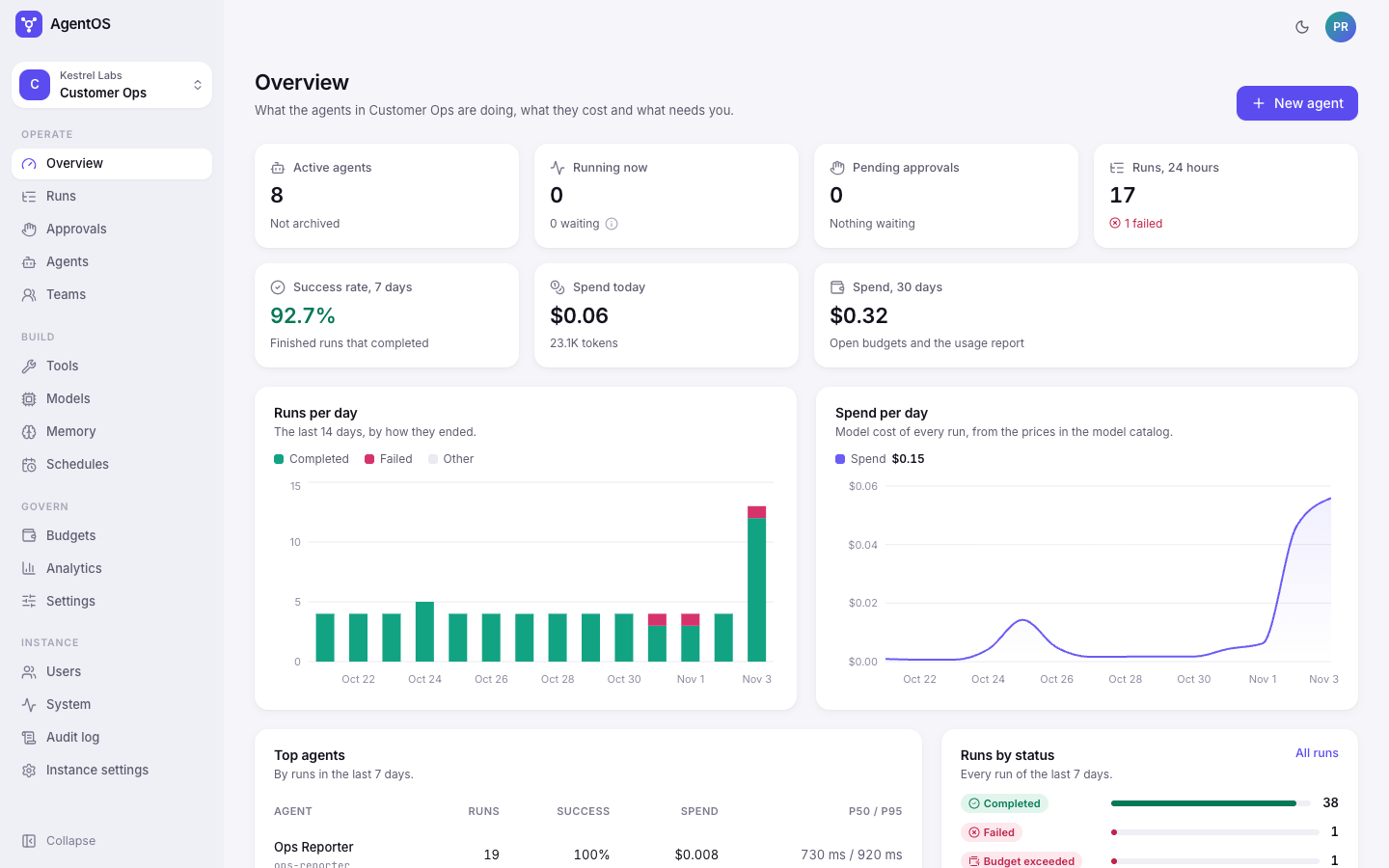
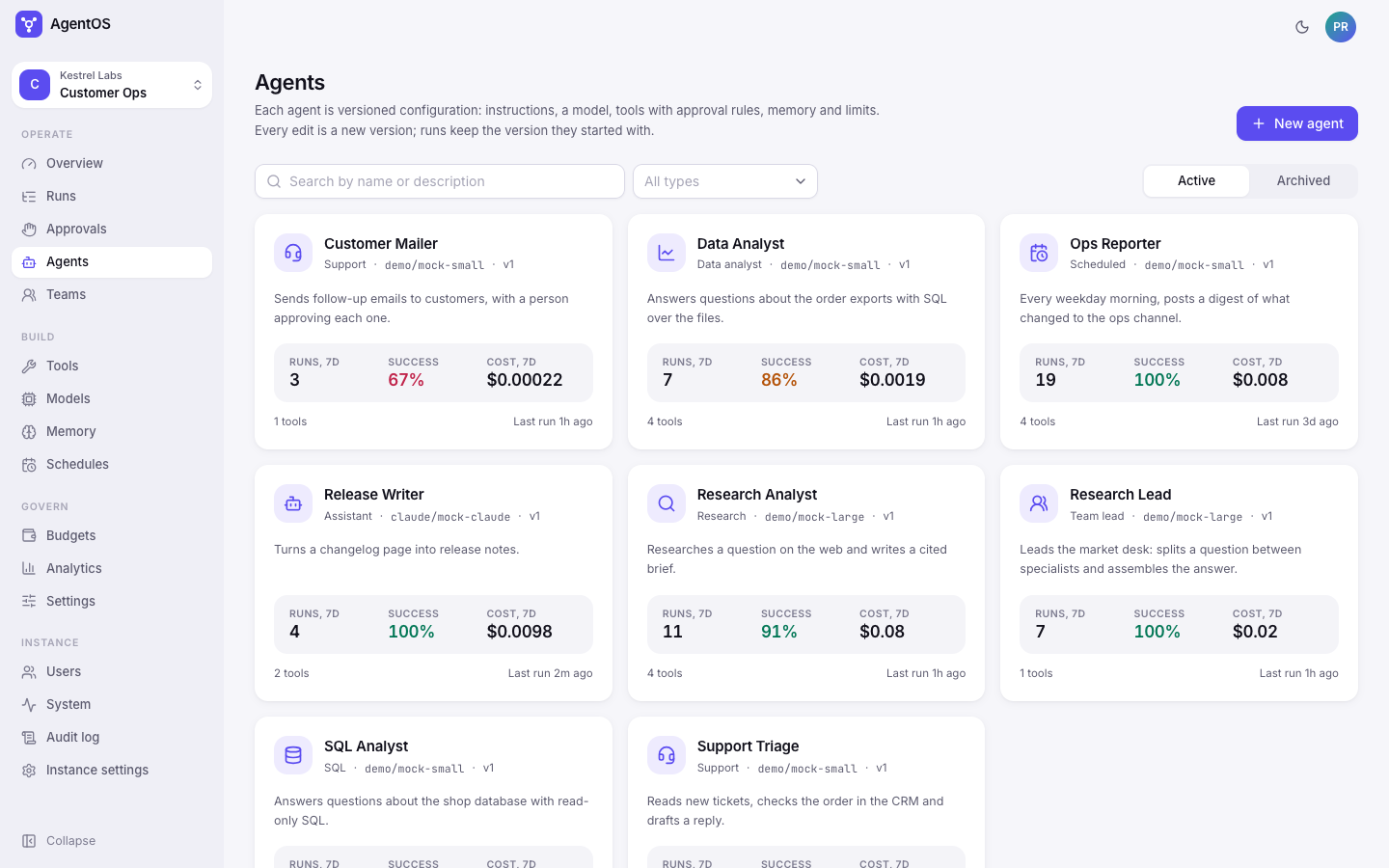
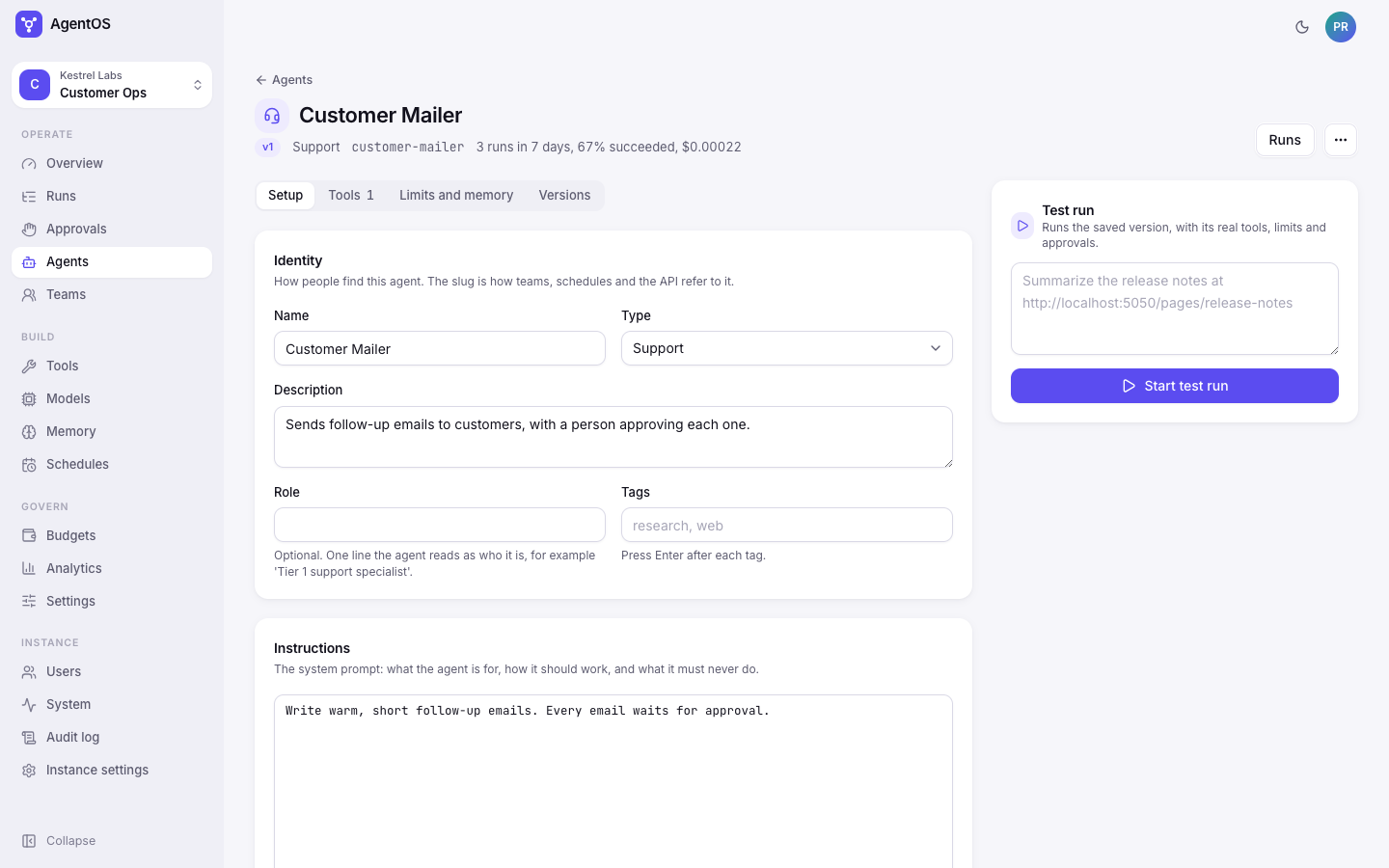
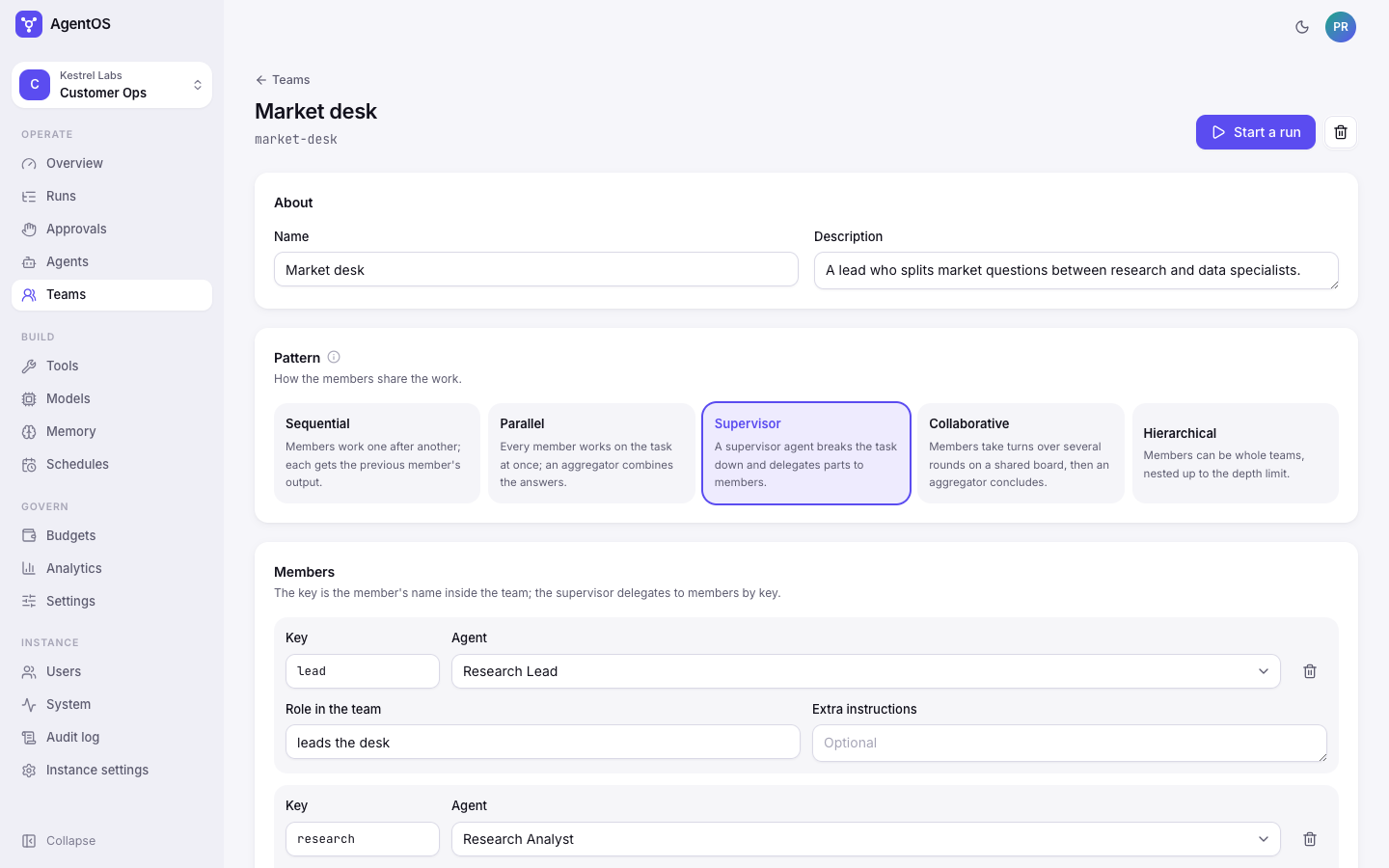
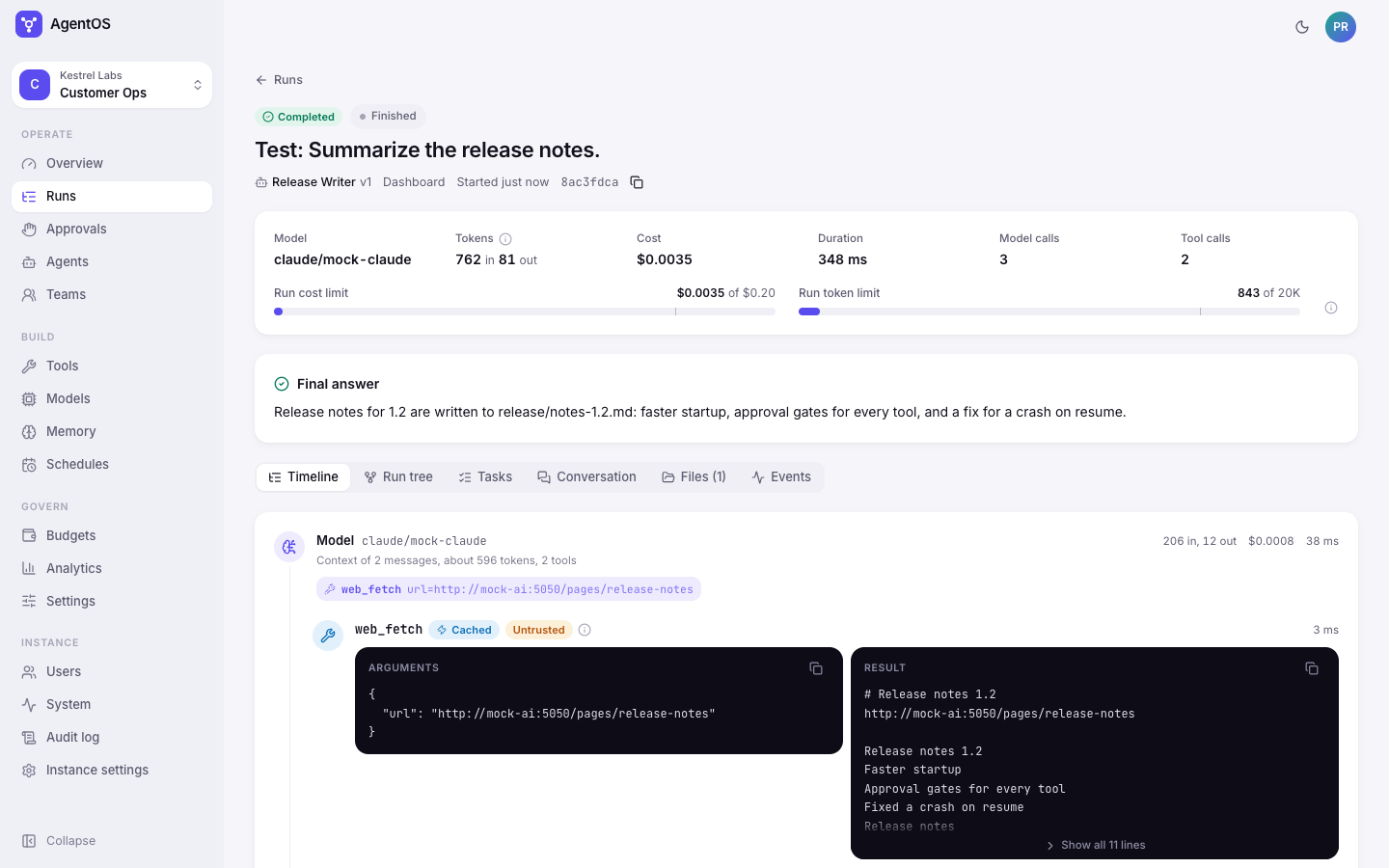
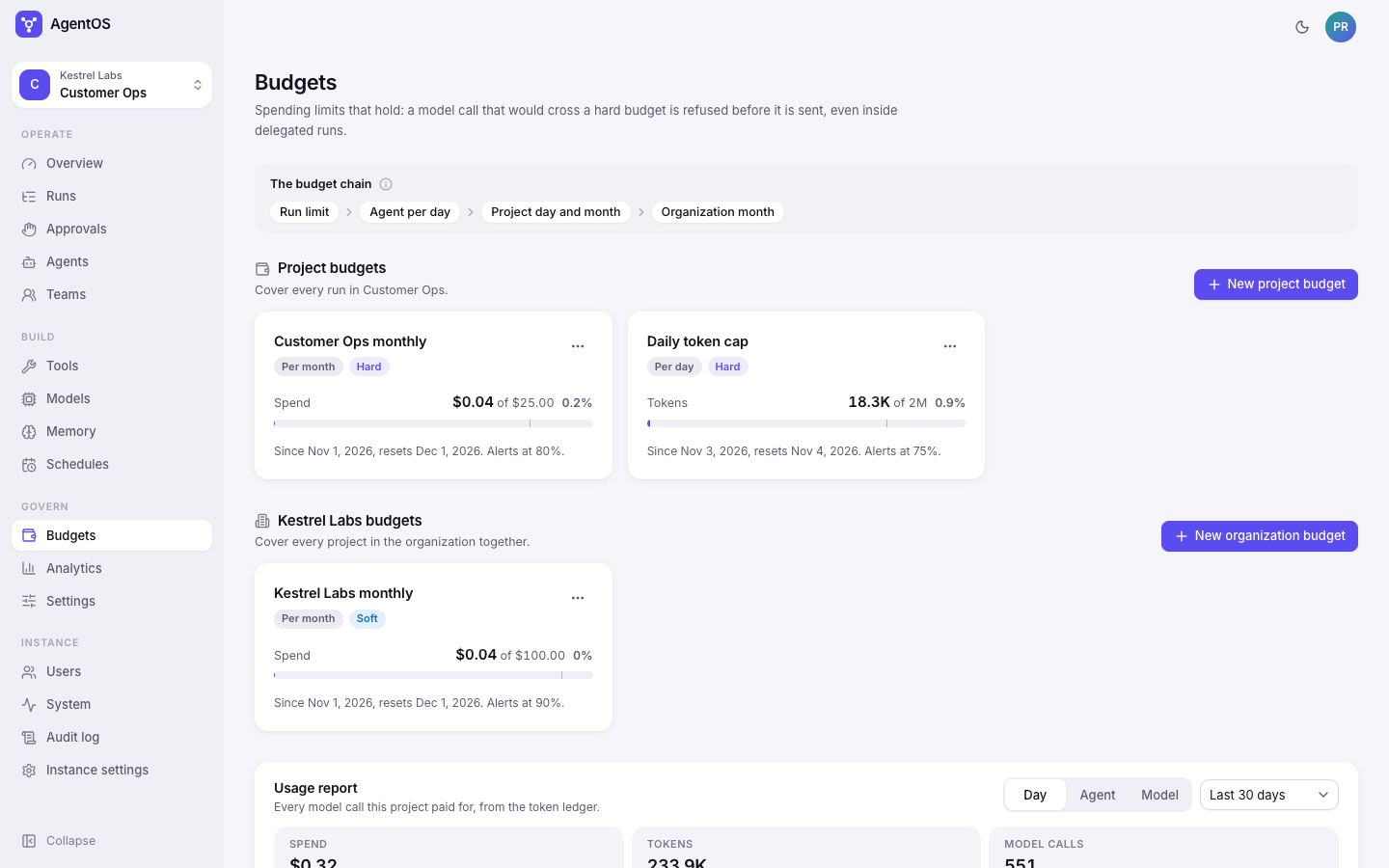
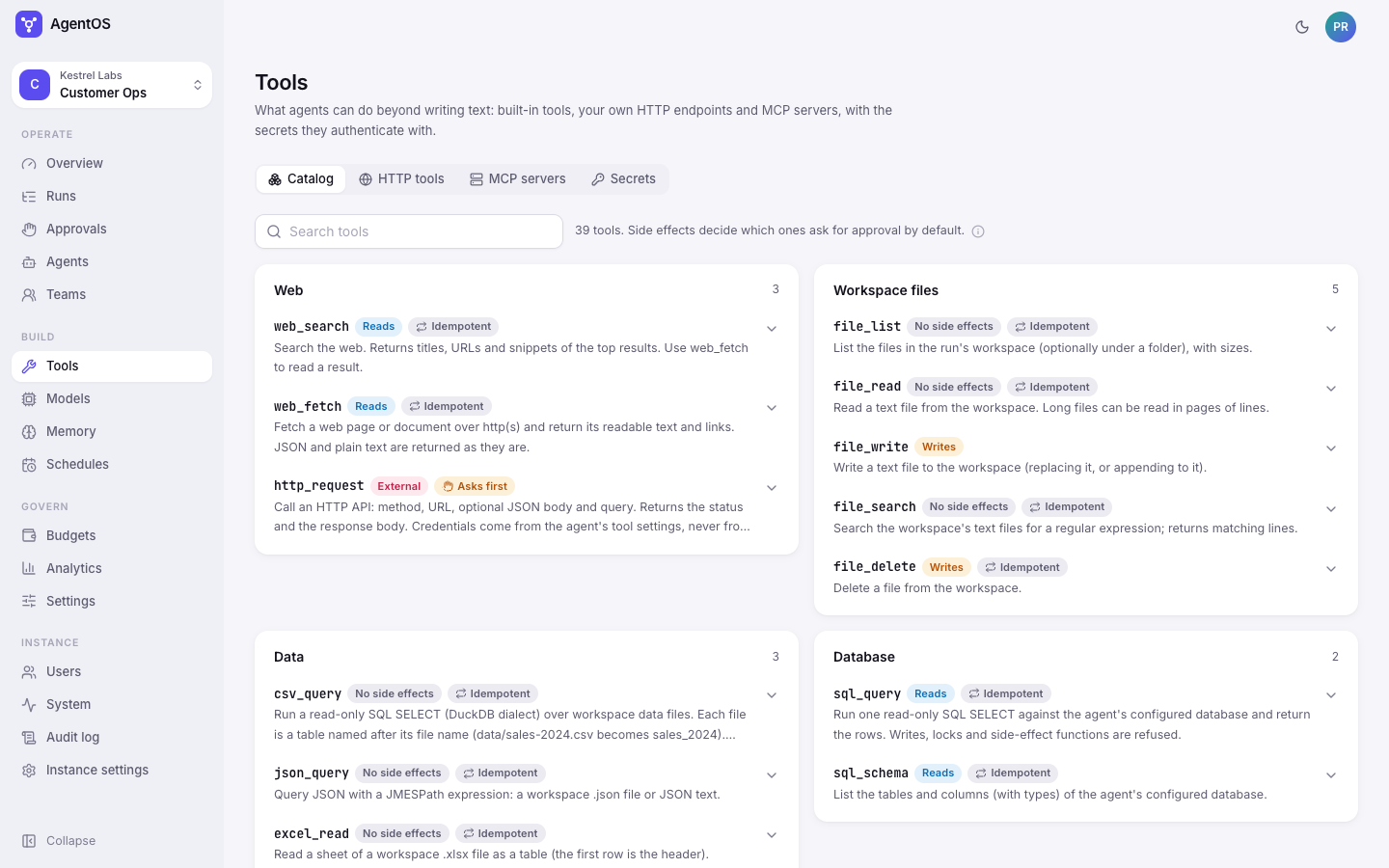
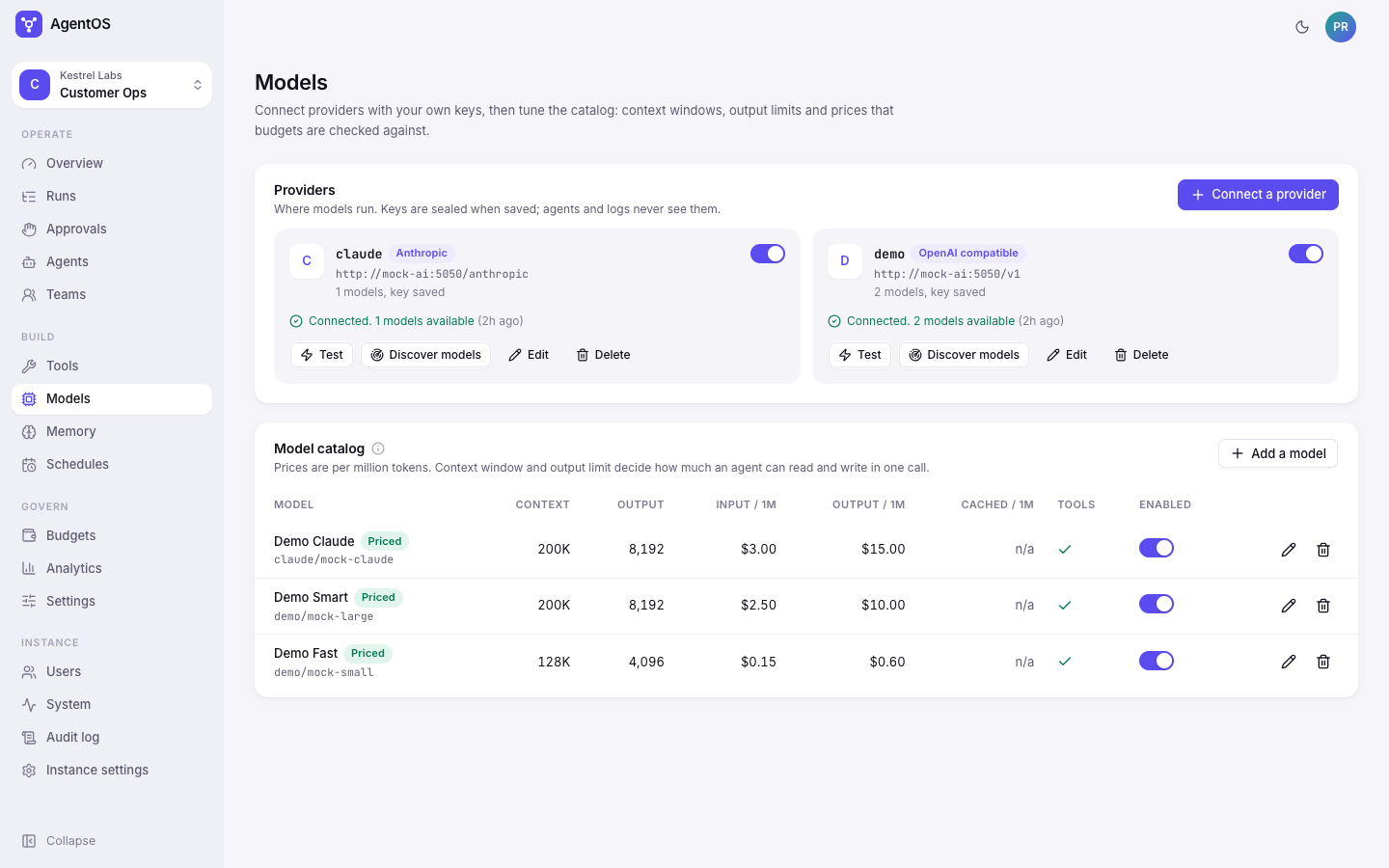
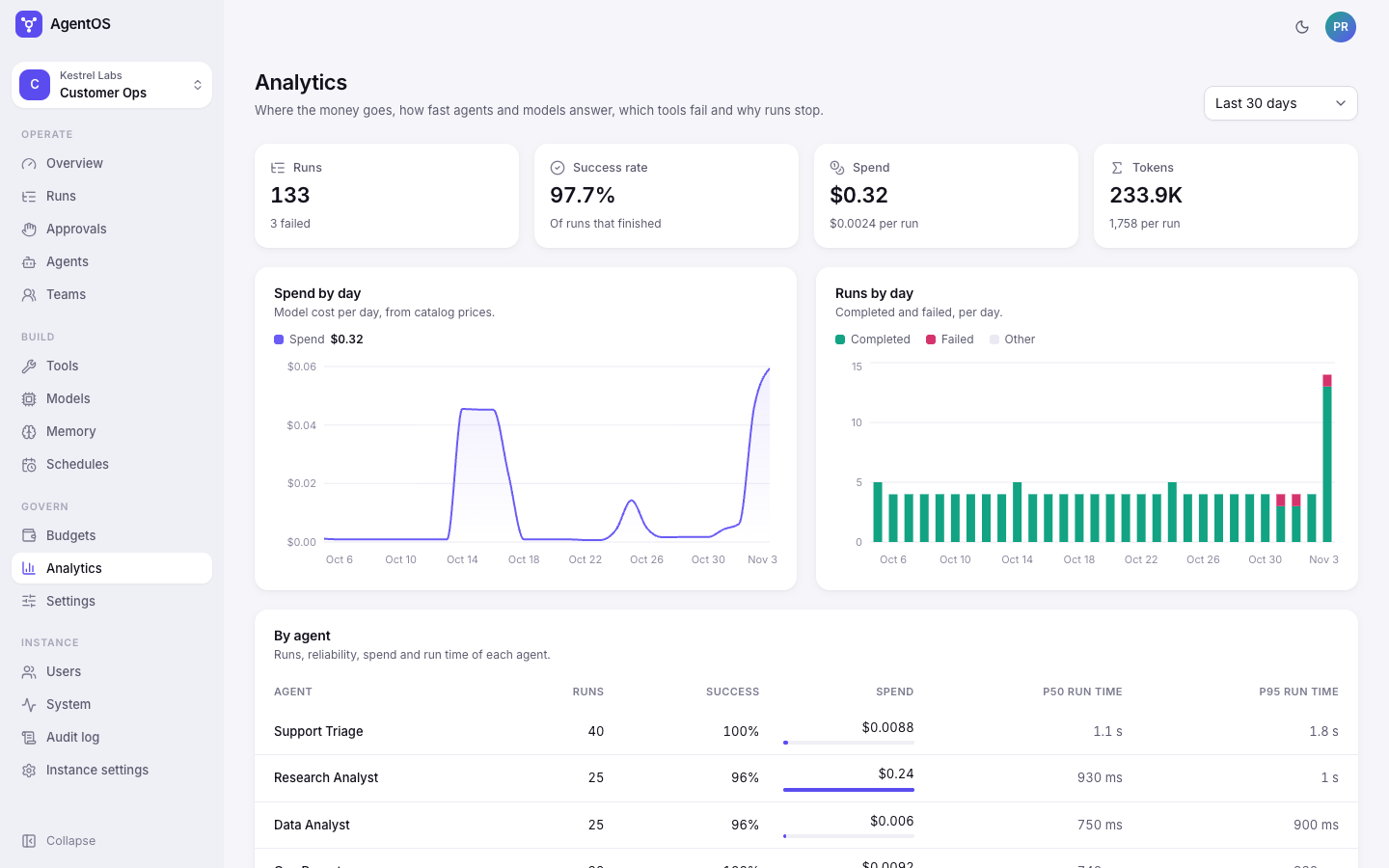
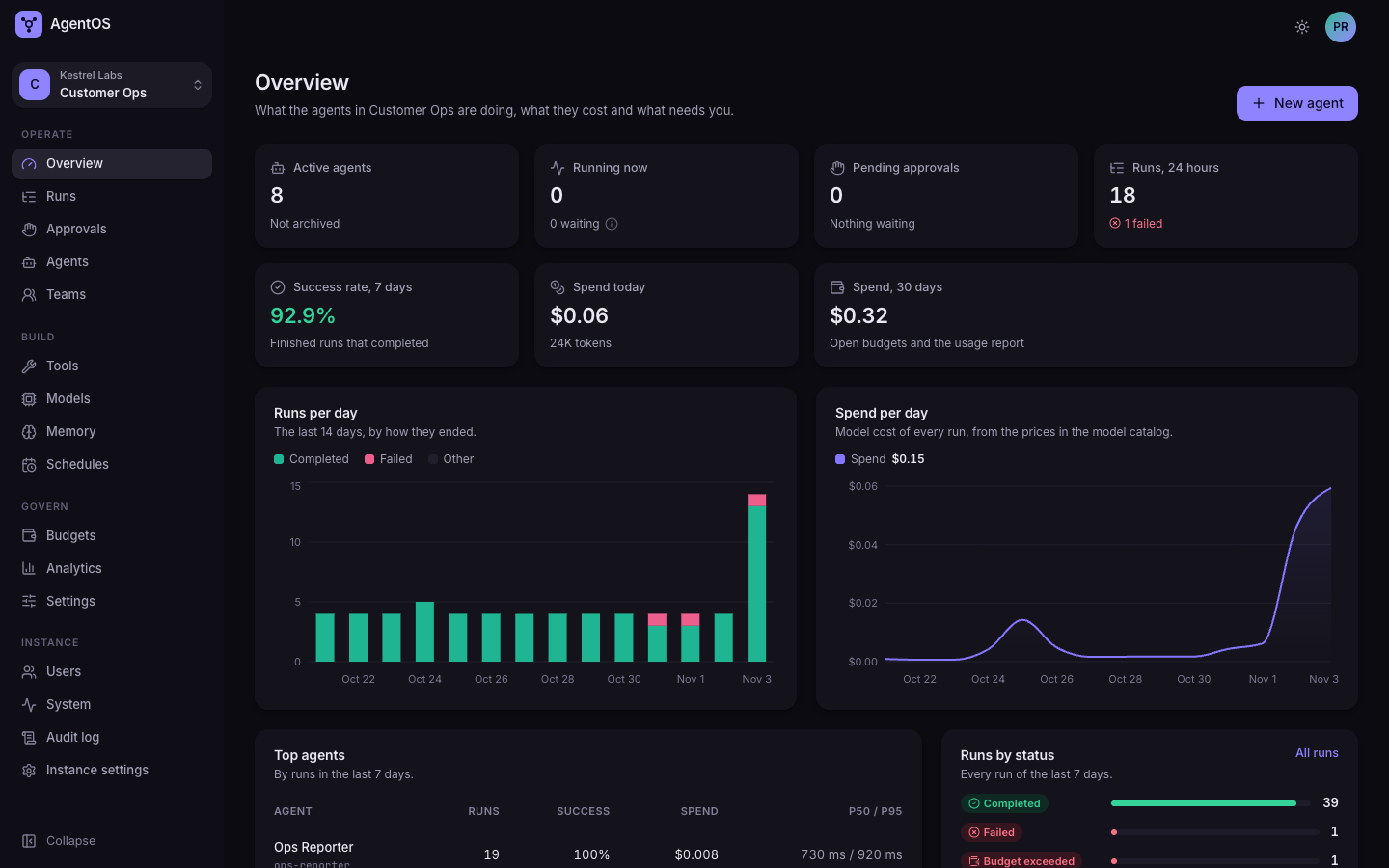
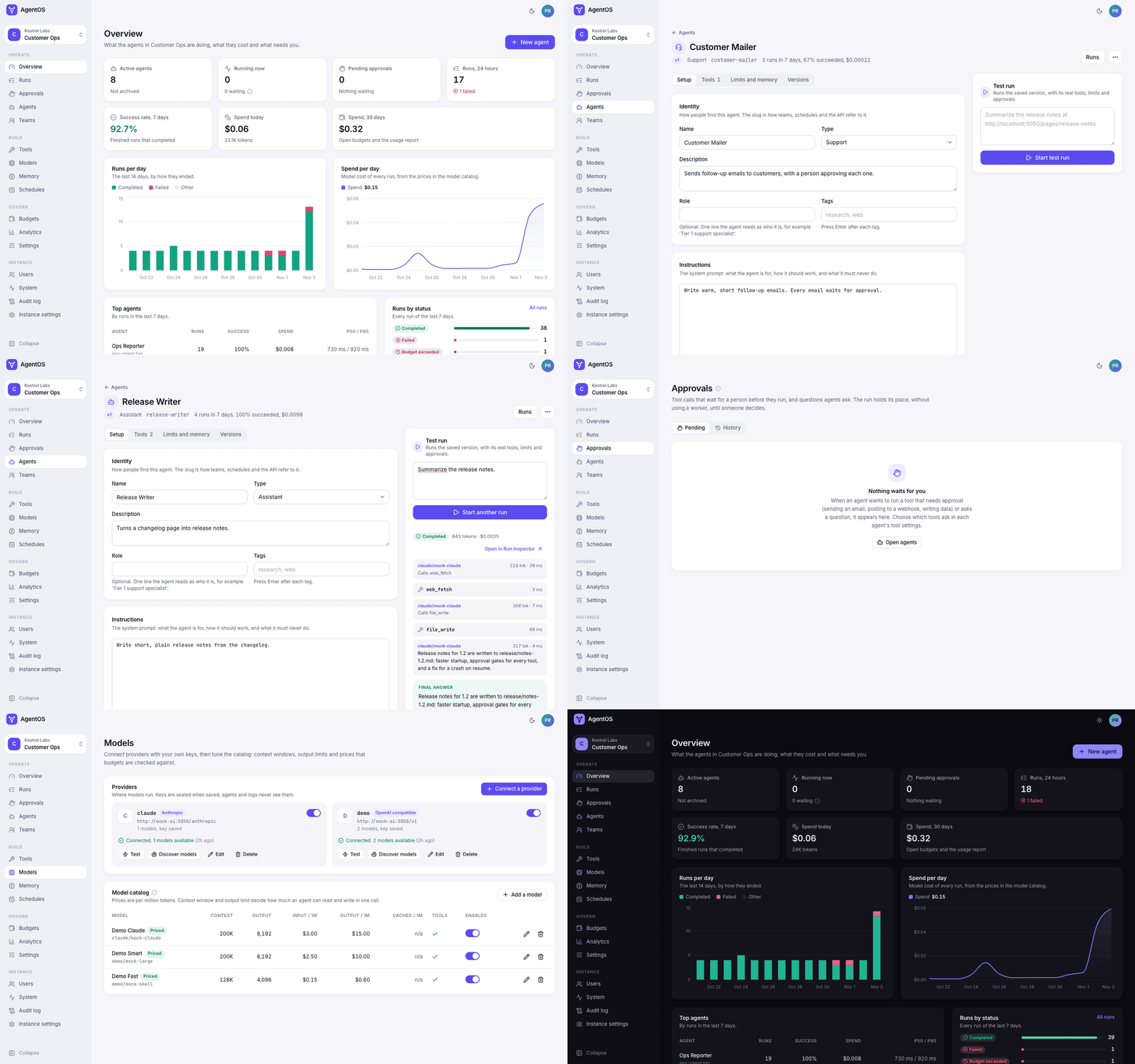
Euron Open AgentOS is a runtime for AI agents that checks every model call against a budget before it is sent and pauses risky tool calls for human approval. Define an agent with instructions, tools, memory, limits, and a model from OpenAI, Anthropic, Gemini, Ollama, or any OpenAI-compatible endpoint, then start it from the dashboard, the API, the Python SDK, a schedule, or a webhook. Budgets cap tokens and cost for a run, an agent's day, a project's day or month, and an organization's month, and a delegated team shares one pool. Any tool can require approval always or only when its arguments match a rule, and reviewers can approve, reject, or edit its arguments. Code, shell, git, and browser tools run in a separate sandbox that holds no credentials and limits browsing to an allowlist of domains. Every step is checkpointed, so a crash or a pause resumes the run where it stopped instead of repeating finished work. Teams work in sequence, in parallel, under a supervisor, or in collaborative rounds, and the Run Inspector shows every delegation as a child run. Built-in tools cover web search, files, CSV and JSON queries, read-only SQL, and email; custom HTTP tools and MCP servers add more. Organizations, projects, roles, API keys, OIDC sign-in, and an audit trail keep teams apart. Running on a dedicated VPS on RepoCloud with guaranteed CPU, RAM, and SSD, full root SSH access, and a browser serial console. MIT licensed.
Benefits
- Hard budgets block overspending upfront
- Each model call reserves its worst-case tokens and price against every covering budget before it is sent, so a run, an agent, a project, or an organization cannot cross a hard limit.
- Risky actions wait for a person
- Policy is enforced by the runtime, not the prompt: a gated tool call waits on the Approvals page until someone approves, edits the arguments, or rejects it, or it expires.
- Crashed runs resume, not restart
- A step ledger and checkpoints mean a worker that dies never repeats a finished model call or tool; another worker takes the run over from the last checkpoint.
- Every run is inspectable step by step
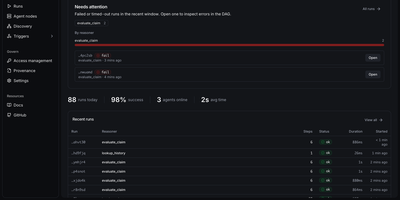
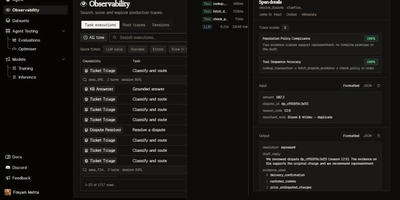
- The Run Inspector lists each model call and tool call with its input, output, tokens, cost, and latency, streamed live while the run progresses, so you can see exactly what an agent did.
Features
- FastAPI and PostgreSQL Runtime
- A single Python package, agentos, runs as a FastAPI API, a worker, and a scheduler; workers claim runs from a PostgreSQL 16 queue using leases, and pgvector stores memory.
- Next.js Dashboard
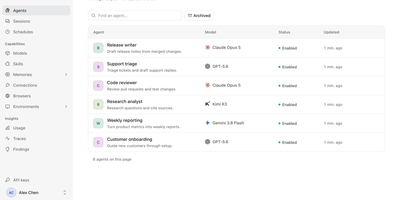
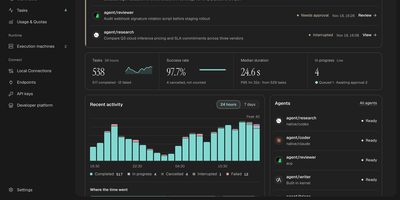
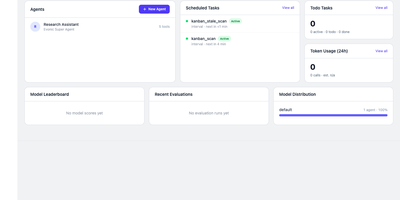
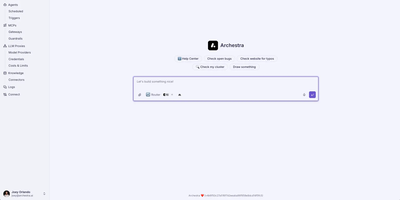
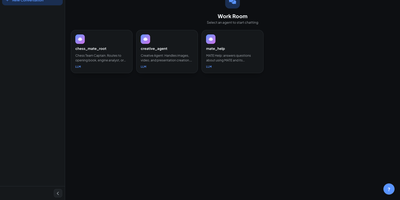
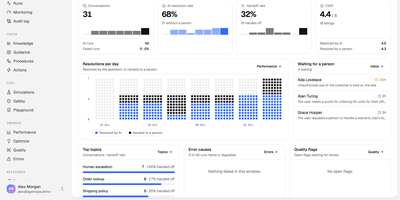
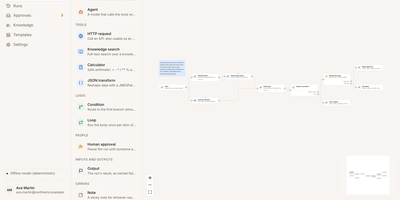
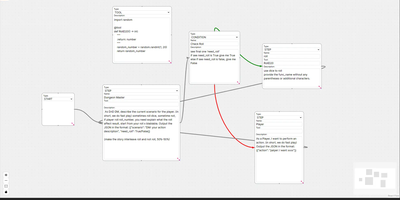
- A Next.js 15 and React 19 dashboard covers overview, agents, the Agent Builder, teams, runs, approvals, tools, models, budgets, analytics, and admin pages, with light and dark themes.
- nsjail Sandbox Service
- A separate sandbox image runs Python and shell code under nsjail in an unprivileged container, with a Playwright browser pool routed through an egress proxy that enforces domain allowlists.
- Providers and MCP Tools
- Adapters cover OpenAI, Anthropic, Gemini, Ollama, and OpenAI-compatible endpoints; a deterministic mock provider needs no key, and MCP servers become tool sources whose output is marked untrusted.
- Python SDK and CLI
- The euron-agentos Python SDK creates agents, runs them, and streams live events, sync or async, and agentos-cli runs an agent, follows it, and approves pending actions.
- Docker Compose and Terraform
- make up builds api, web, and sandbox images and starts them with Redis, Mailpit, and a Floci AWS emulator provisioned by Terraform; make demo seeds a month of runs.