Categories
Developer Tools AI Agents Self-Hosted AI Agent Orchestration Coding Agents Human In The Loop Workflow Builder SandboxesStars
Forks
Watchers
Developer links
Grasp
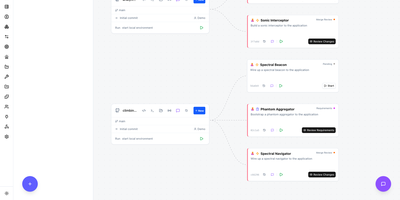
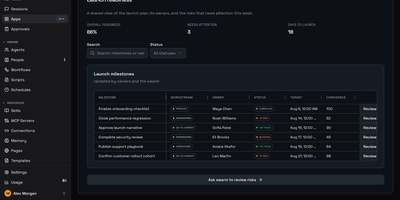
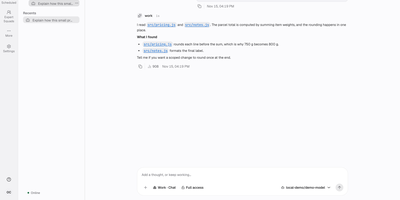
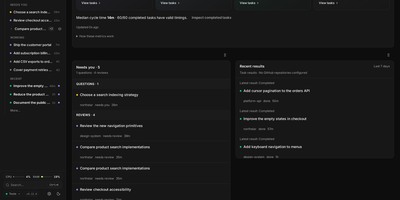
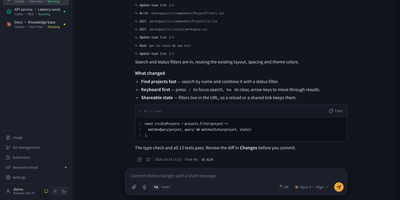
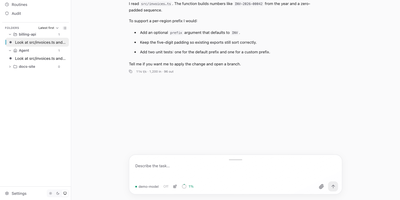
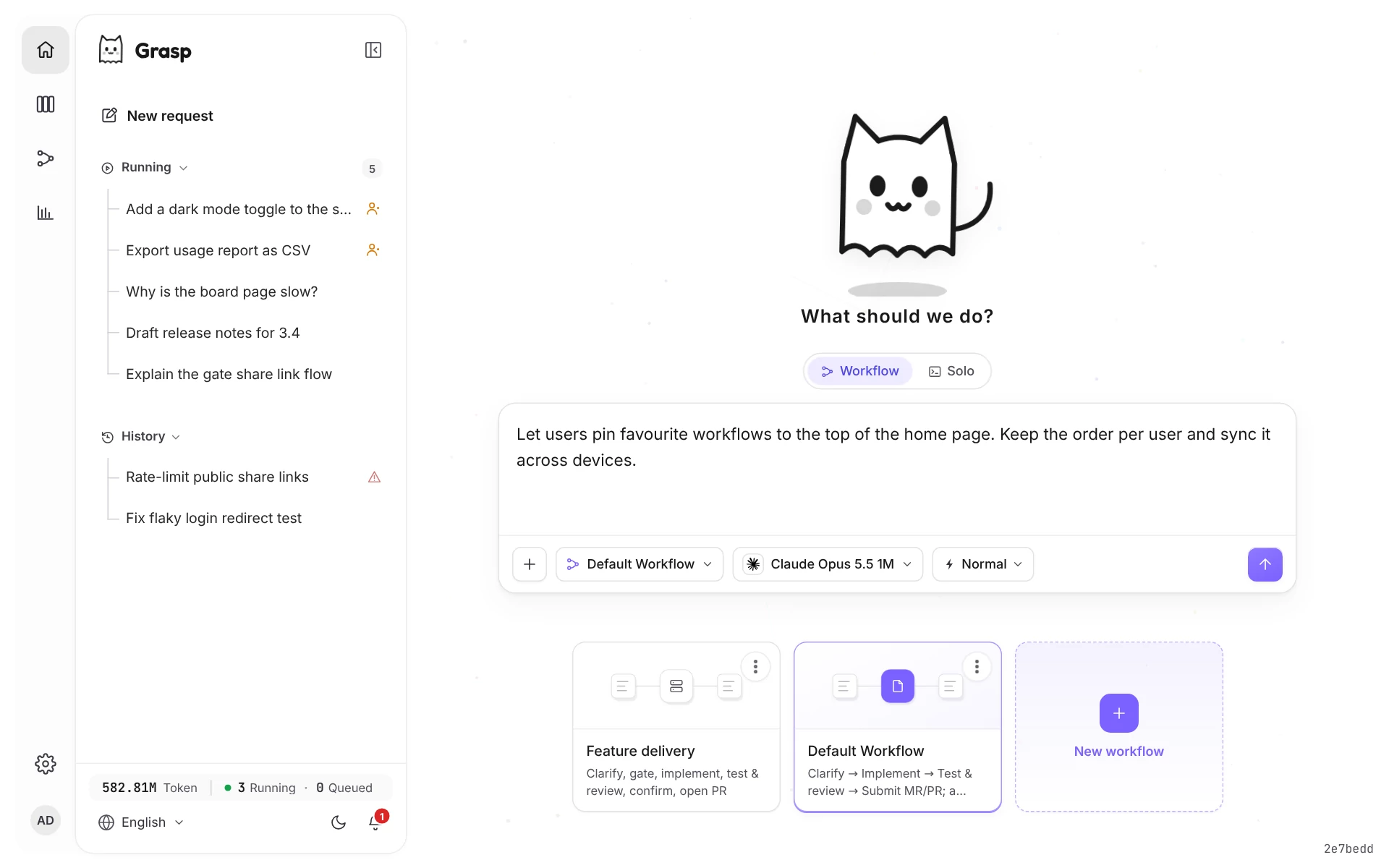
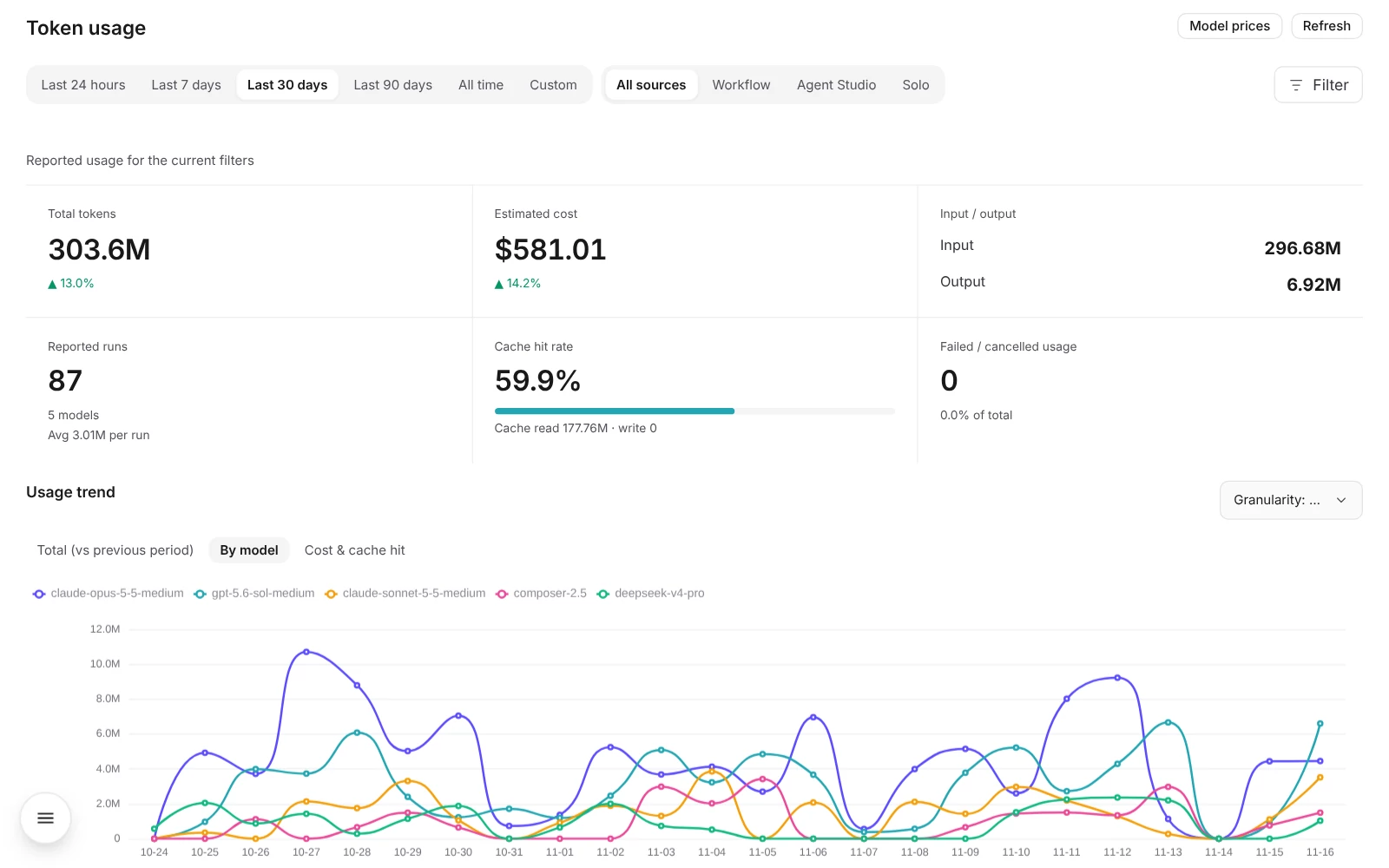
One sentence in, one reviewed pull request out: Grasp sends coding agents through a visual workflow in isolated sandboxes and leaves every approval to people. Describe a task on the home page and run it as a workflow or a Solo session. A clarify agent first asks one question at a time as clickable option cards with a recommended answer, then writes a requirement spec and plan and builds a page mock you can annotate. Workflows are drawn on a visual canvas with six node types, and failure and rollback edges send work back to an earlier step. Eight agent CLIs, including Claude Code, Codex, Cursor, and OpenCode, can run as agent nodes in a Docker, Kubernetes, or E2B sandbox shared by the nodes of a run. Runs pause at human gates in a shared inbox, and a temporary one-time link lets a reviewer without an account approve or reject. Solo sessions give a single agent an IDE, terminal, and browser, and a noVNC panel lets you watch its Chromium and take over with a click. Specs, plans, test results, and HTML previews are kept as versioned artifacts. A token page breaks cost down by workflow, source, and model. Agents push branches and open pull requests or merge requests through gh, glab, or SSH credentials stored per repository. Running on a dedicated VPS on RepoCloud with guaranteed CPU, RAM, and SSD, full root SSH access, and a browser serial console. MIT licensed.
Benefits
- Ask Before Any Code Gets Written
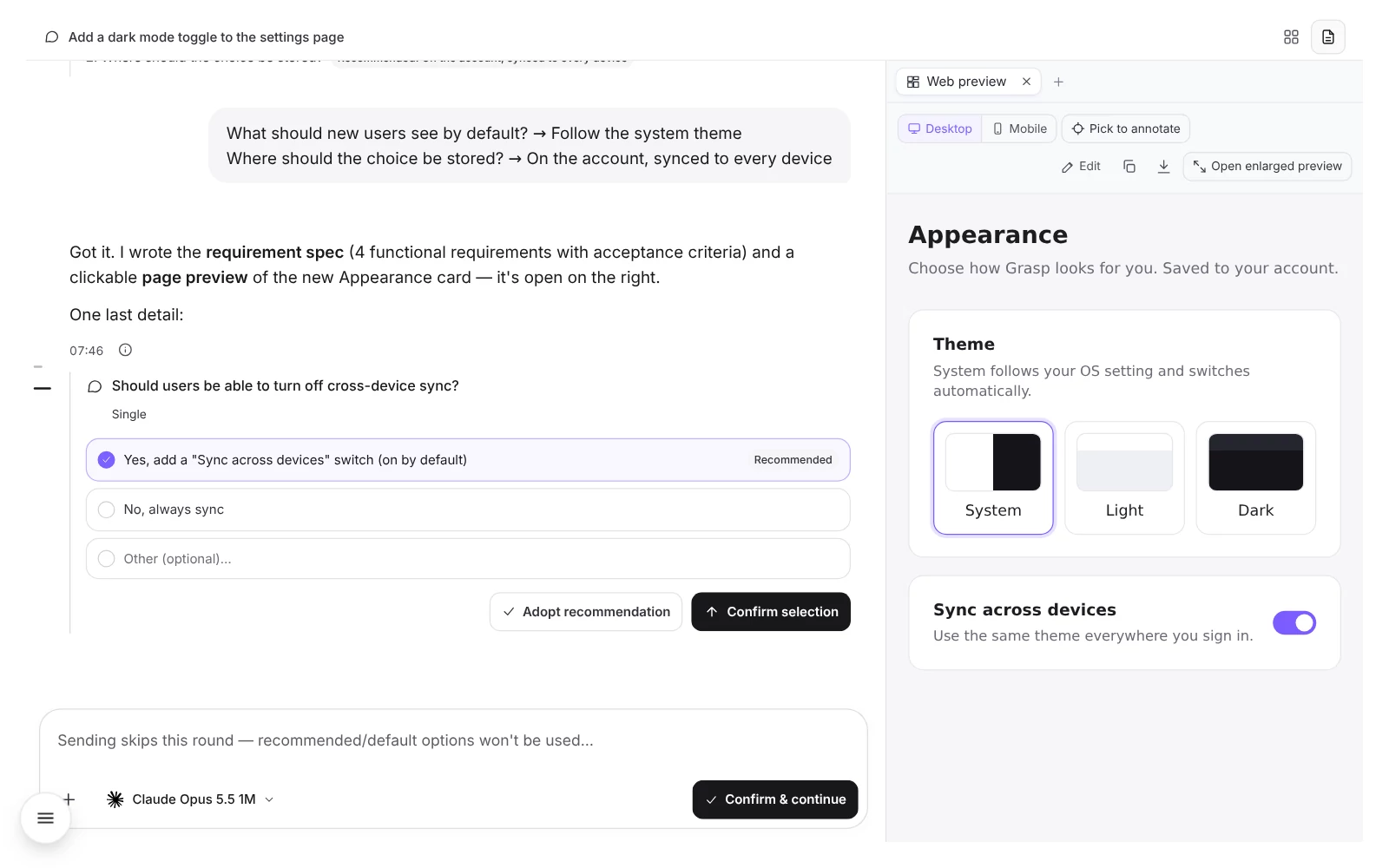
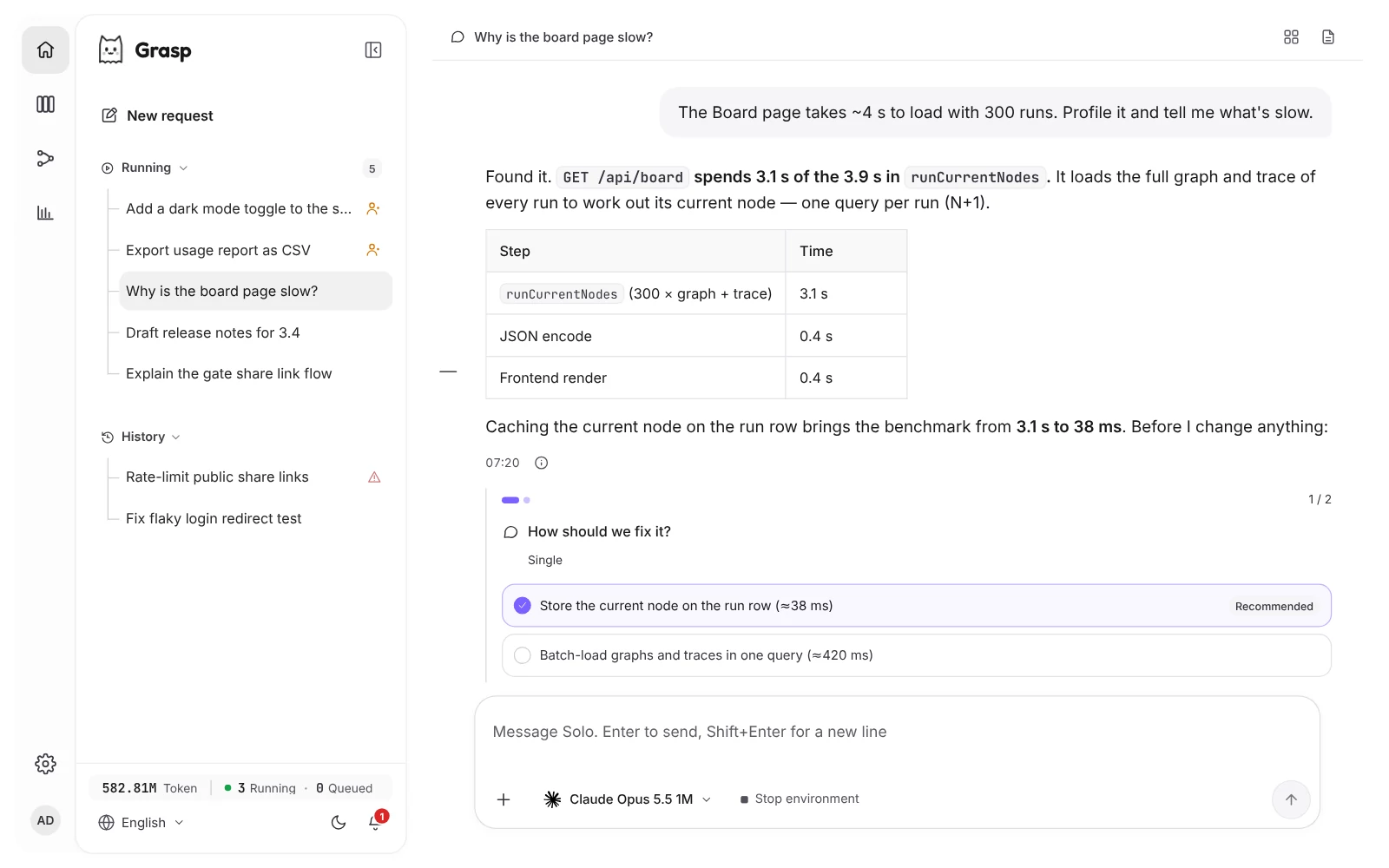
- A clarify agent asks one question at a time with a recommended answer, then writes a spec, a plan, and a clickable page mock, so the build starts from agreed requirements.
- See Every Step Of The Workflow
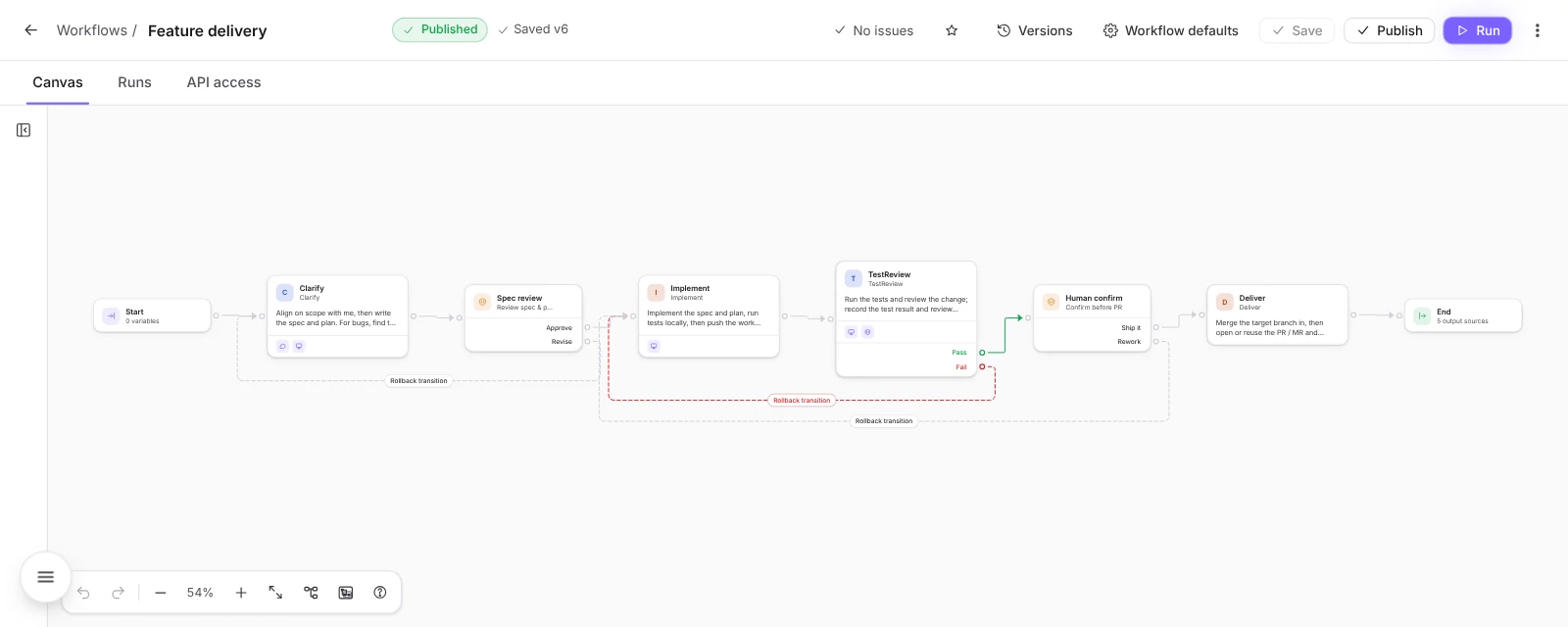
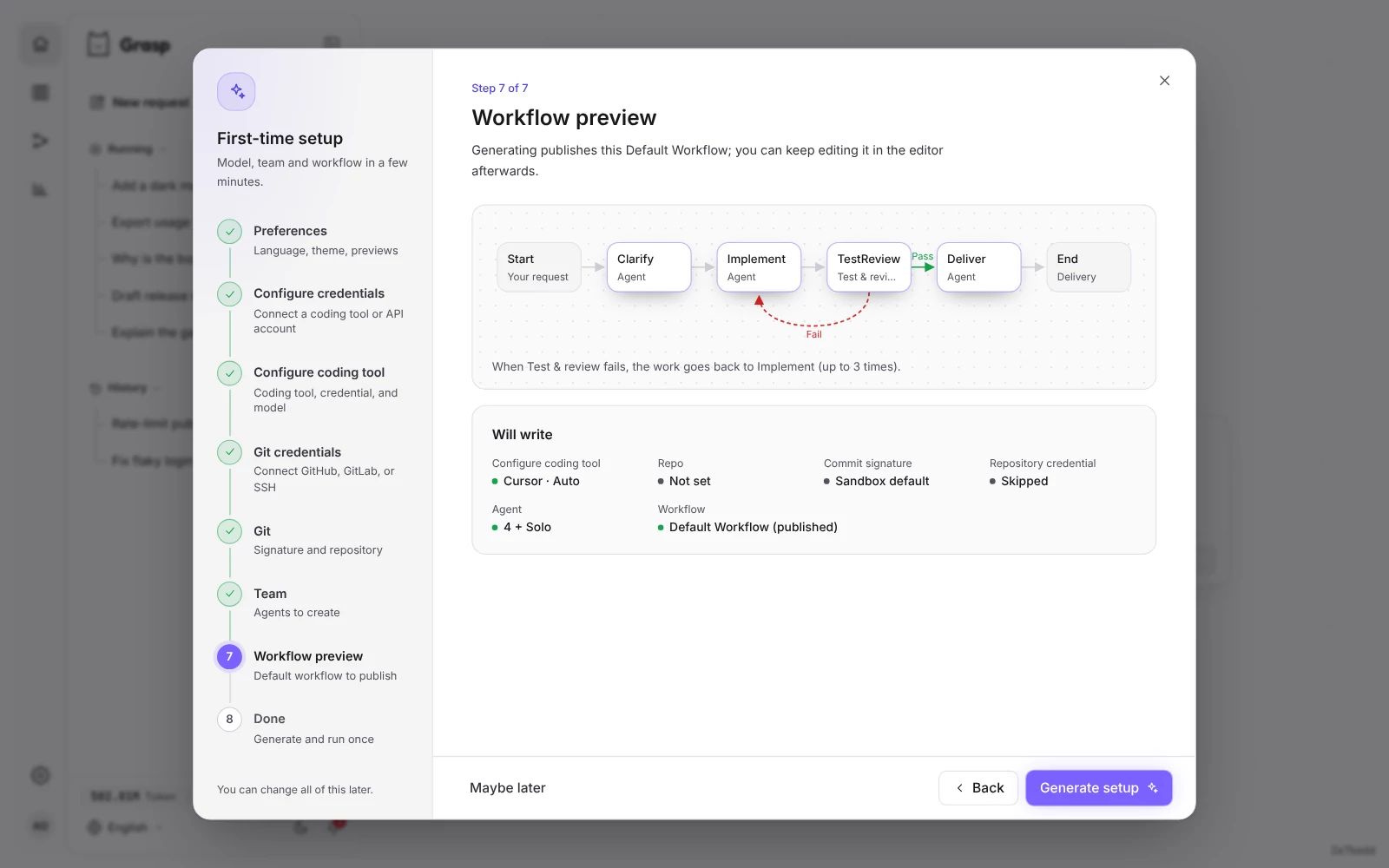
- Workflows are explicit canvases with success, failure, and rollback edges, so a failing test returns work to implementation by design, and every transition stays visible and versioned.
- Let Reviewers Approve Without Accounts
- A signed-in operator mints a one-time link, valid from one hour to seven days, so a stakeholder without an account can open the artifacts and approve or reject once.
- Track Token Spend By Model
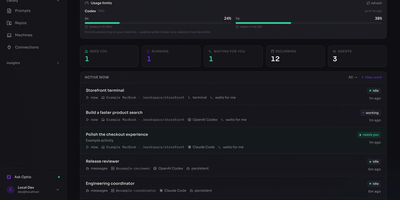
- The token page shows total tokens, estimated cost, cache hit rate, and a usage trend by model, with filters for workflows, Agent Studio runs, and Solo sessions.
Features
- Visual FSM Canvas
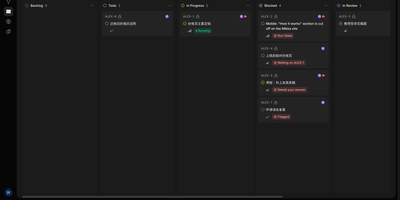
- Six node types (agent, input, output, set variable, branch, human gate) connect with success, failure, and rollback edges, when guards, checkpoints, version history, and publishing from the canvas.
- Clarify Cards And Page Mocks
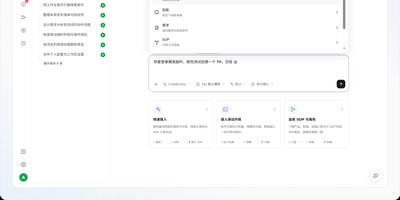
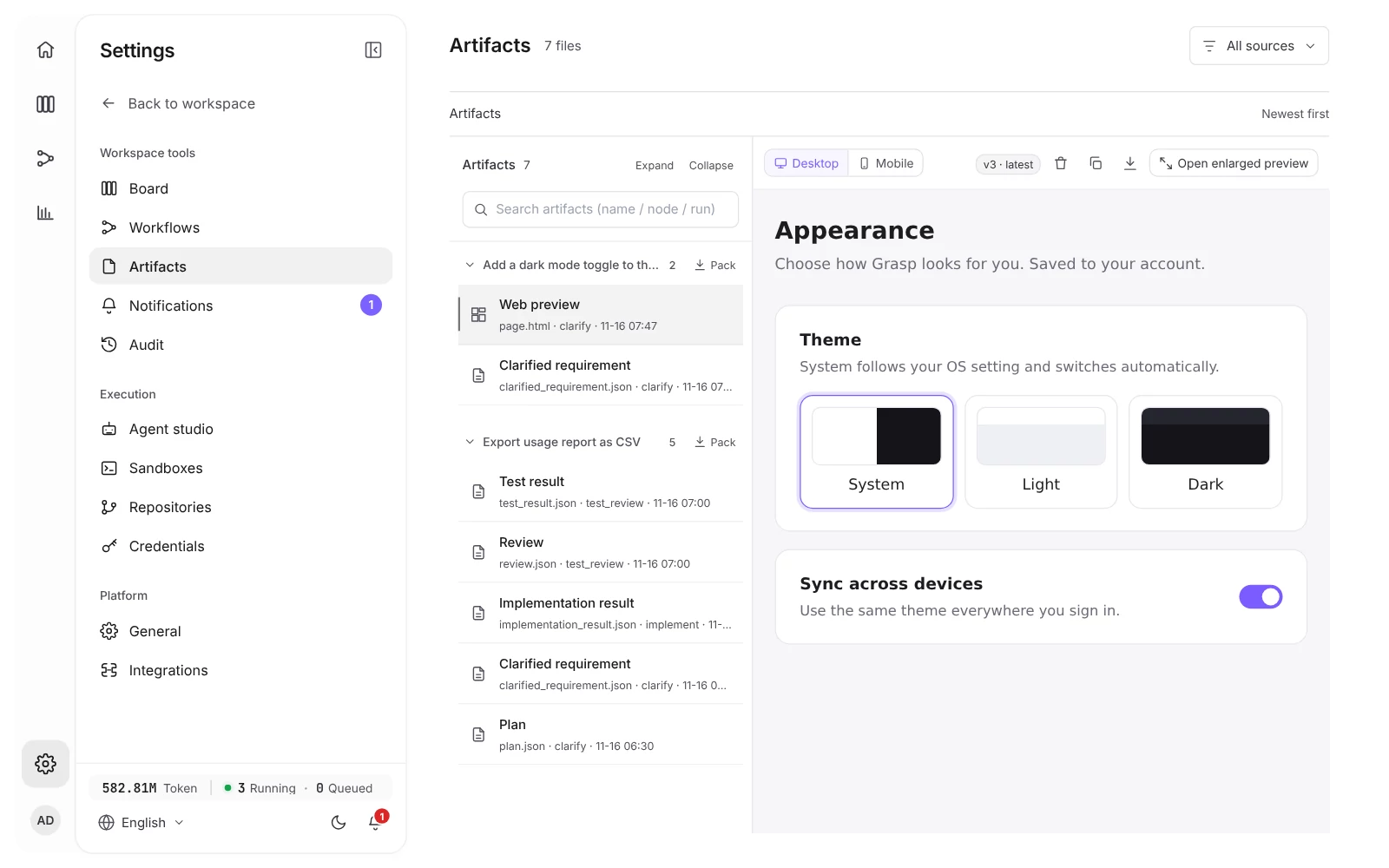
- Agents ask option cards with a recommended answer, write a structured spec and plan, and render a clickable page.html preview for desktop and mobile with element annotations as feedback.
- Solo Sessions And noVNC
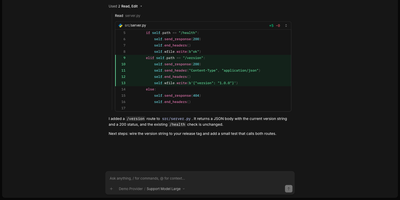
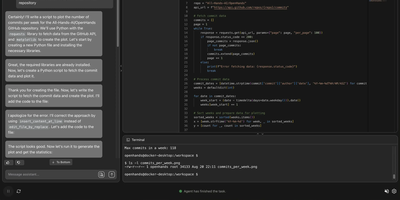
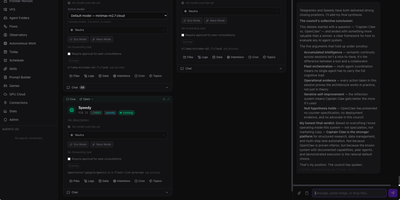
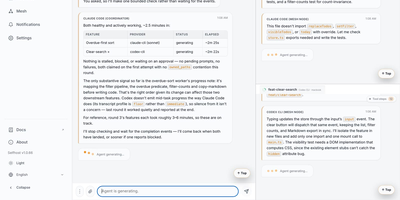
- One agent works in its own sandbox with an IDE, terminal, and headed Chromium; the noVNC panel is watch-only by default and you can take over with a click.
- Agent Studio And Eight CLIs
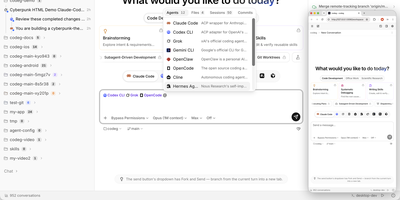
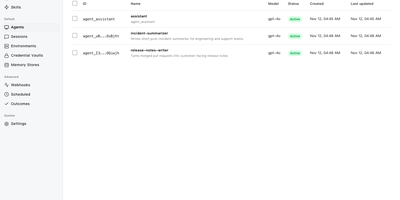
- Reusable roles combine a backend, model, rules, and skills; backends include Cursor, Claude Code, Codex, CodeBuddy, Trae, OpenCode, DeepSeek Harness, and Kimi Code.
- Structured Artifacts
- Specs, plans, test results, reviews, and HTML previews are versioned per run through an Artifact MCP, and required artifacts must be submitted before a node can finish.
- Docker Compose Deployment
- start.sh pulls prebuilt GHCR images and serves the web UI on port 8080 with a sandbox gateway on 8899; Kubernetes manifests and an E2B Compose file are also included.