Categories
Self-Hosted Remote Access Networking Tools P2P VPN Alternative Virtual LAN Mesh NetworkingStars
Forks
Watchers
Developer links
Meshlan
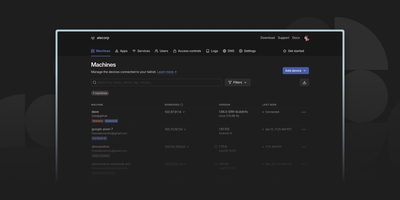
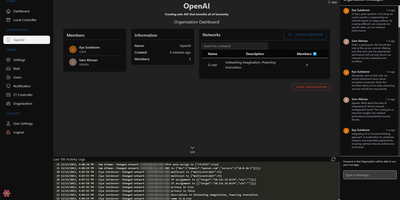
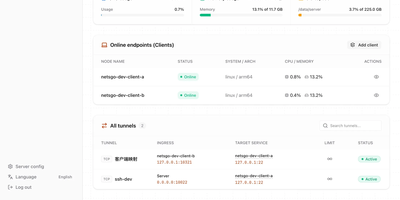
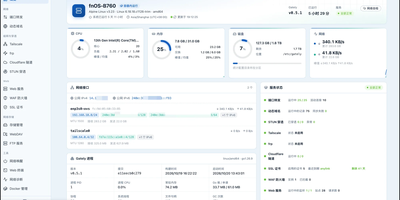
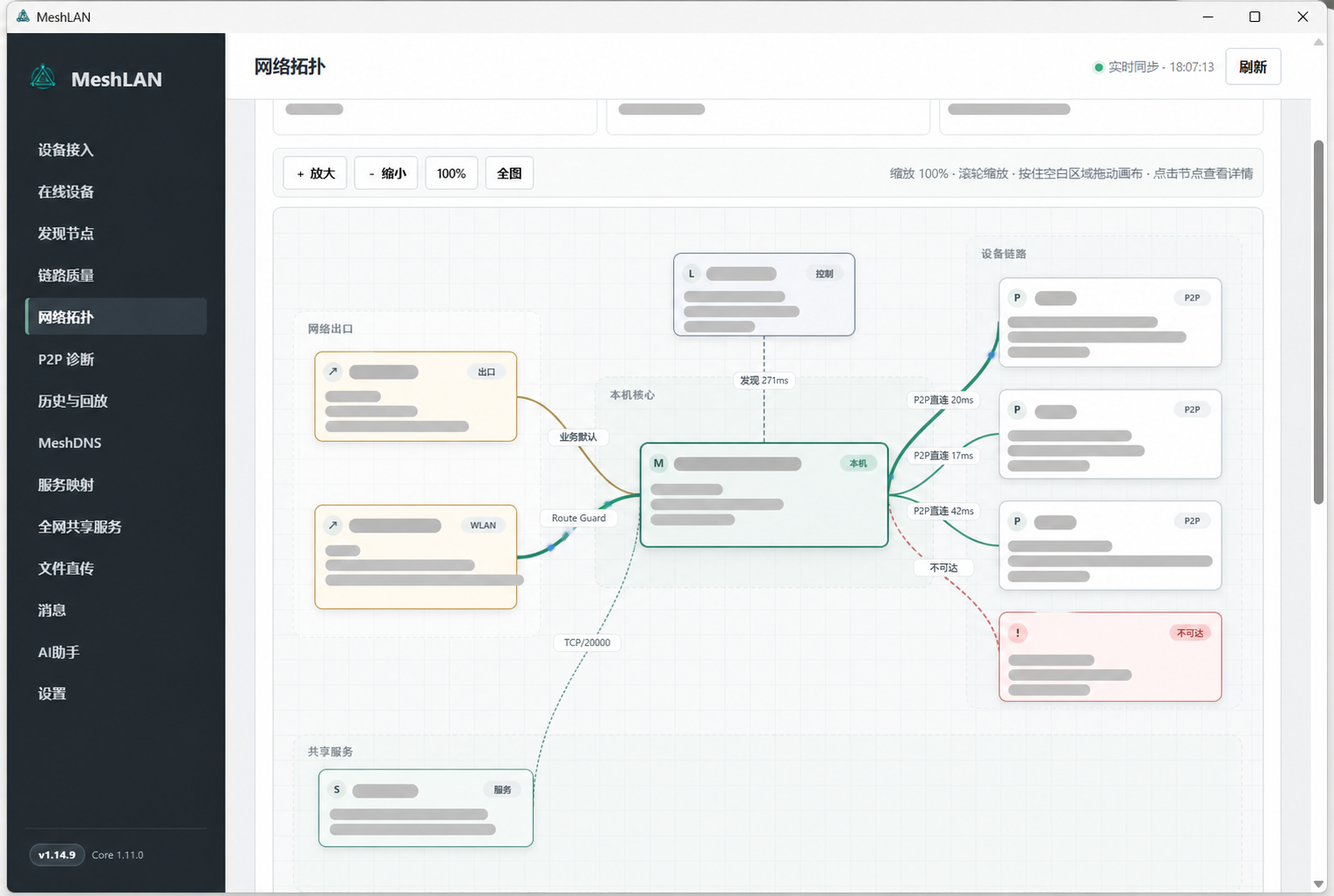
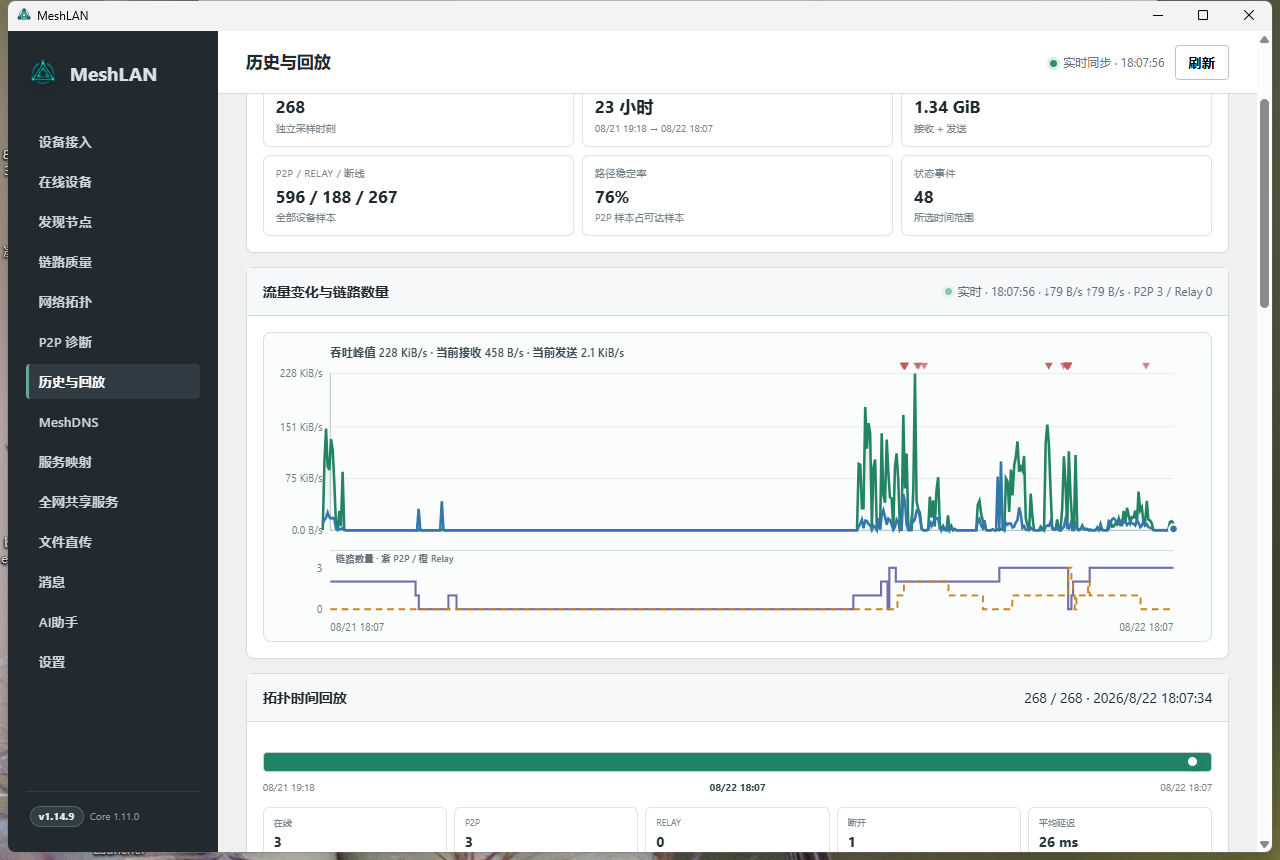
Meshlan turns your own Linux server into the control plane for a private virtual LAN that connects remote Windows devices as if they sat on the same router. Devices pair through your server, receive their certificates, and then talk directly to each other over encrypted tunnels whenever NAT allows, using dual-stack hole punching, UPnP, and STUN diagnostics to find a path. When a direct connection is impossible, traffic falls back to relays, and multiple relay nodes are chosen automatically by latency, jitter, packet loss, and health. You can publish a service that only listens on localhost, a local API, a web panel, a database, a game server, to the mesh on a custom port, with direct access or manual approval by its creator. Names stay stable while addresses change: devices answer to names like alice.mesh and services to api.alice.mesh, and an HTTPS gateway serves mesh websites without port numbers. Files move directly between devices over the encrypted link while the server only distributes metadata. The console shows the live topology with P2P and relay paths, latency, and service health, and local history keeps traffic and events for replay with a time slider. Optional AI automation keeps model keys on the server, encrypts context end to end, and asks for your confirmation before changing anything. Signed updates verify and roll back automatically when a health check fails. Running on a dedicated VPS on RepoCloud with guaranteed CPU, RAM, and SSD, full root SSH access, and a browser serial console. MIT licensed.
Benefits
- Your Server, Your Certificate Authority
- The Linux main server issues and revokes device certificates, authorizes pairing, and runs the first lighthouse and relay, so the trust root of your network never sits with a vendor.
- Direct First, Relay When Needed
- Dual-stack hole punching, UPnP, and STUN diagnostics try hard for a direct encrypted path, and healthy relays chosen by latency, jitter, and loss carry traffic only when direct fails.
- Localhost Services, Mesh-Wide
- A service bound to localhost can be published to the mesh on a custom port with approval by its creator, reaching collaborators without router port forwarding or public exposure.
- Topology And History You Can Replay
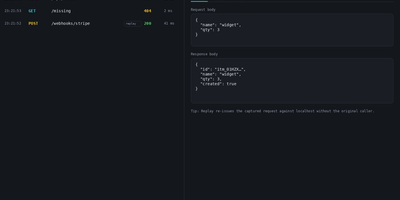
- Live topology shows P2P and relay paths with latency and service health, while locally stored traffic, path, and event history replays through a time slider for after-the-fact diagnosis.
Features
- Multi-Node Control Plane
- One main server manages Linux child lighthouse and relay nodes with health reporting, revocation sync, and failover, so the mesh keeps working when a single node drops.
- MeshDNS And HTTPS Gateway
- Devices and services get stable names such as alice.mesh and api.alice.mesh, and a local CA with issued certificates serves mesh HTTP services without port numbers in the address.
- Access Approval For Services
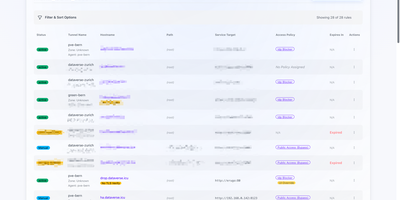
- Each published service chooses direct access or manual approval, creators manage only their own mappings and grants, and service health checks keep the published list honest.
- Direct File Transfer
- File contents travel over the encrypted device-to-device link while the control server distributes only metadata, keeping bulk data off the control plane entirely.
- Signed, Self-Rolling Updates
- Updates arrive with signed manifests and hash verification, pass a health check after install, and roll back automatically when the new version does not come up clean.