Stars
Forks
Watchers
Developer links
Prime Agent
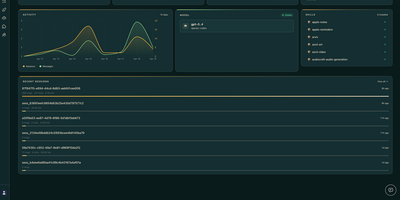
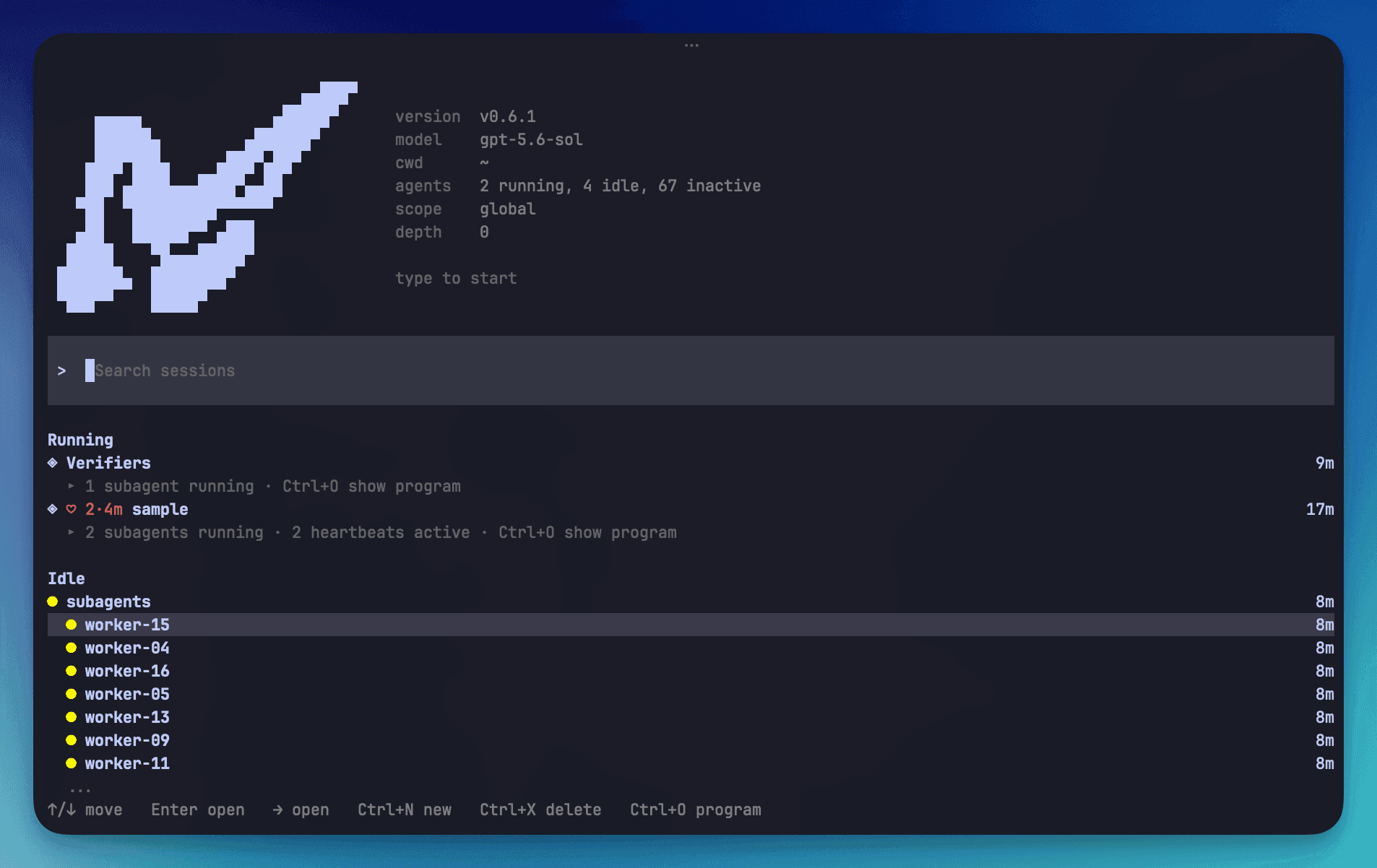
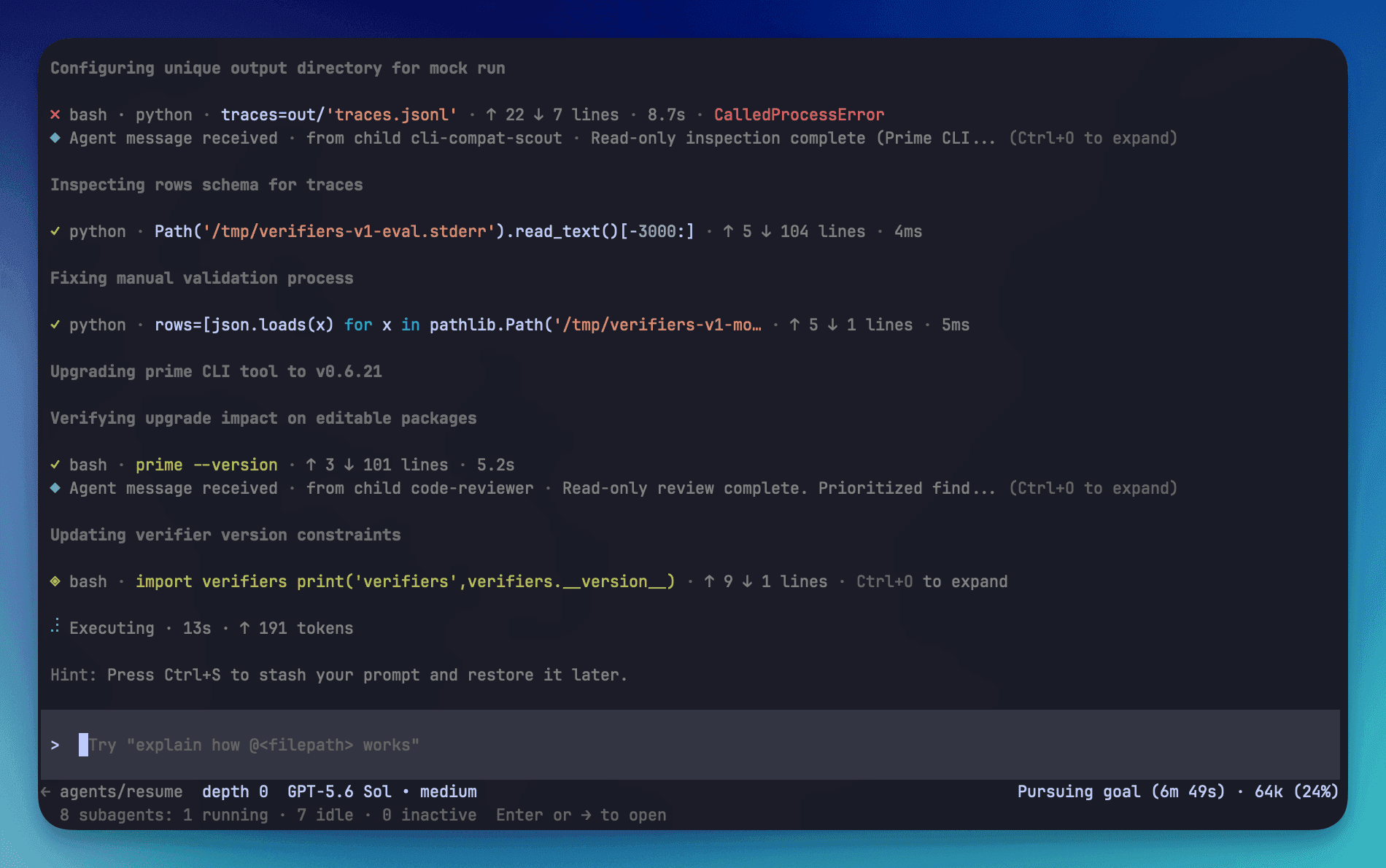
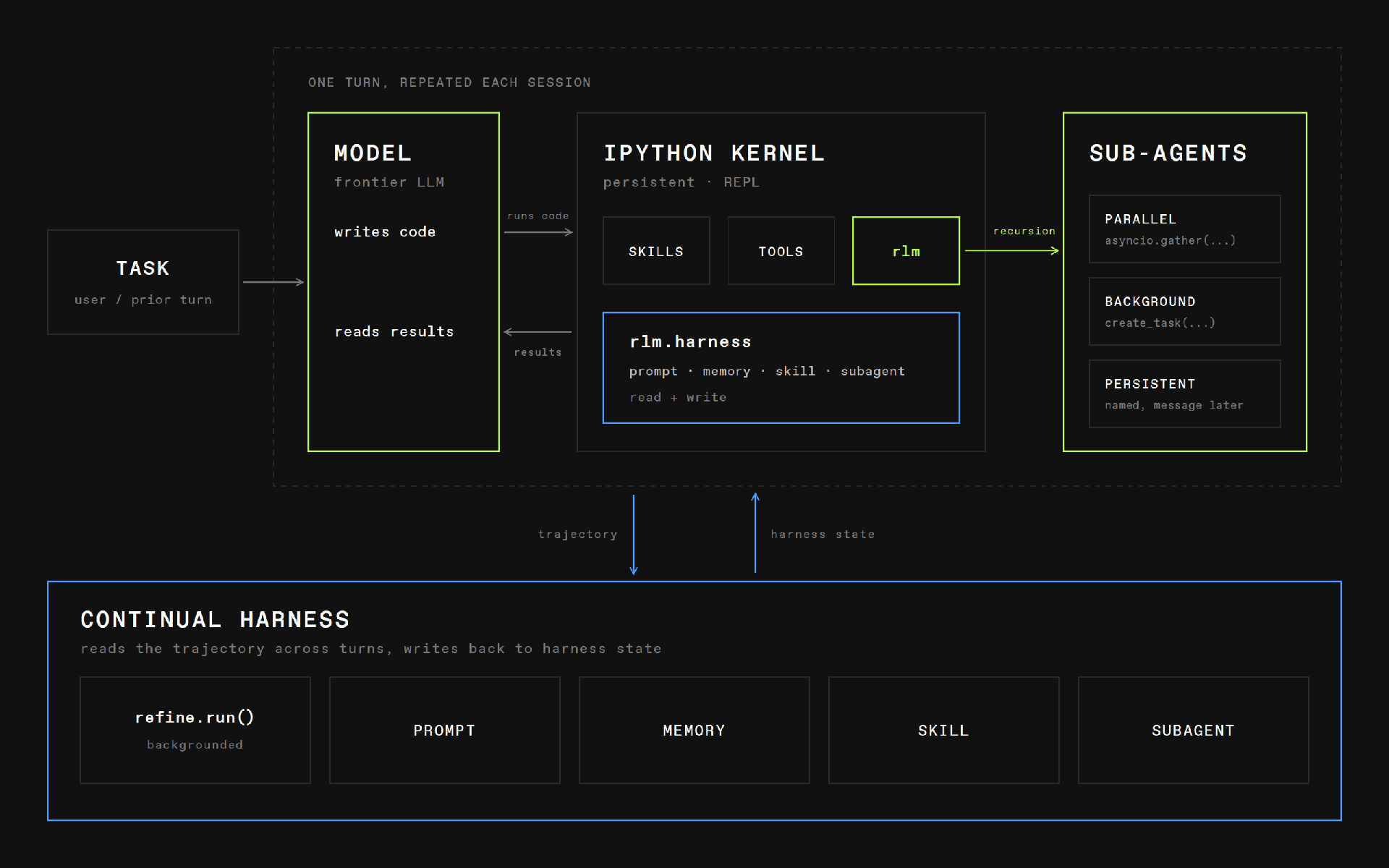
With over 14,000 GitHub stars and 41 releases since its May 2026 launch, Prime Agent delivers a fundamentally different approach to AI coding agents by treating the agent's own operating environment as programmable state that improves through use. The Recursive Language Model architecture provides the model exactly one tool — a persistent IPython kernel — where file operations, shell commands, subagent delegation via rlm() function calls, and context management all happen through code rather than rigid tool-calling schemas. Subagents launch as independent sessions with their own model, kernel, and history, communicating results through agent_message.send() without blocking the parent. The Continual Harness stores supplemental prompts, memories, skill descriptions, and reusable subagent specifications as durable state that the /refine command updates through small, evidence-backed edits with full rollback by ID. Daemon-backed sessions keep running when the terminal disconnects, with automatic context compaction summarizing older messages while preserving recent state. The TUI provides an Agent View for monitoring, switching between, and steering multiple live sessions simultaneously. Autonomous mode operates within configurable turn, token, and time budgets with user-defined quality gates. Persistent goals, heartbeats, and scheduled prompts maintain continuity across terminal sessions. Compatible with Anthropic Claude, OpenAI, Google Gemini, local models via Ollama or vLLM, and Prime Inference endpoints. Install via a single curl command on Linux or macOS. Running on a dedicated VPS on RepoCloud with guaranteed CPU, RAM, and SSD, full root SSH access, and a browser serial console. MIT licensed.
Benefits
- Self-Improving Agent Harness
- The /refine command applies evidence-backed edits to supplemental prompts, memories, skills, and subagent specifications from the agent's own trajectory, with full version history and rollback by ID.
- Persistent Daemon-Backed Sessions
- Active sessions, IPython state, schedules, and subagents keep running after terminal disconnection, with automatic context compaction and reattachment to any running or idle session at any time.
- Recursive Subagent Architecture
- The rlm() function call launches independent child sessions with their own model, kernel, and history that return results asynchronously without blocking the parent agent's execution thread.
- State-of-the-Art Benchmark Performance
- Achieves 95.5% RHAE Best@1 on ARC-AGI-3 with Opus 5, surpassing the reported 95.4% human expert baseline with all 183 out of 183 levels completed across evaluation runs.
Features
- Persistent IPython Kernel
- Provides the model a single persistent IPython REPL tool where file operations, shell commands, skill imports, and subagent delegation replace fixed tool-calling schemas entirely.
- Continual Harness
- Stores supplemental prompts, memories, skill descriptions, and subagent specifications as durable mutable state refined through evidence-backed updates from agent trajectories.
- Agent View TUI
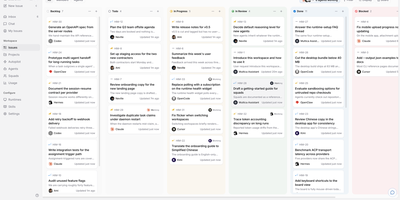
- Terminal user interface for monitoring, switching between, and steering multiple live daemon-backed sessions with real-time status, prompt queuing, and session management.
- Autonomous Mode
- Operates within configurable turn, token, and time budgets with user-defined quality gates, heartbeats, persistent goals, and scheduled re-entry for long-running research tasks.
- Multi-Provider Models
- Supports Anthropic Claude, OpenAI, Google Gemini, Prime Inference, Ollama for local models, and vLLM for in-network GPU serving through OpenAI-compatible endpoints.