Categories
Self-Hosted Personal Finance Budgeting Accounting Expense Tracking Time Tracking Bookkeeping Plain Text AccountingStars
Forks
Watchers
Developer links
hledger
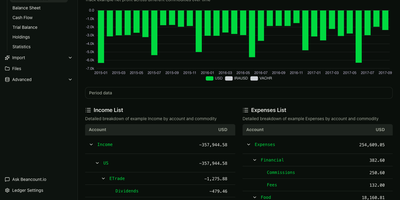
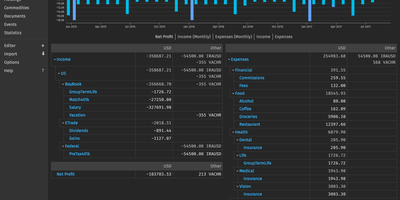
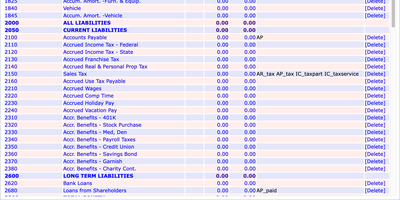
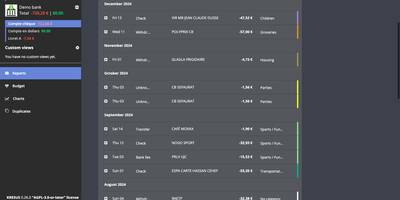
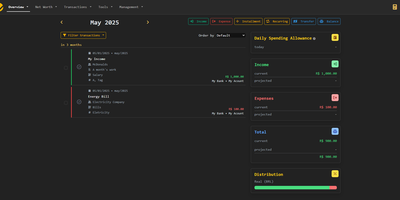
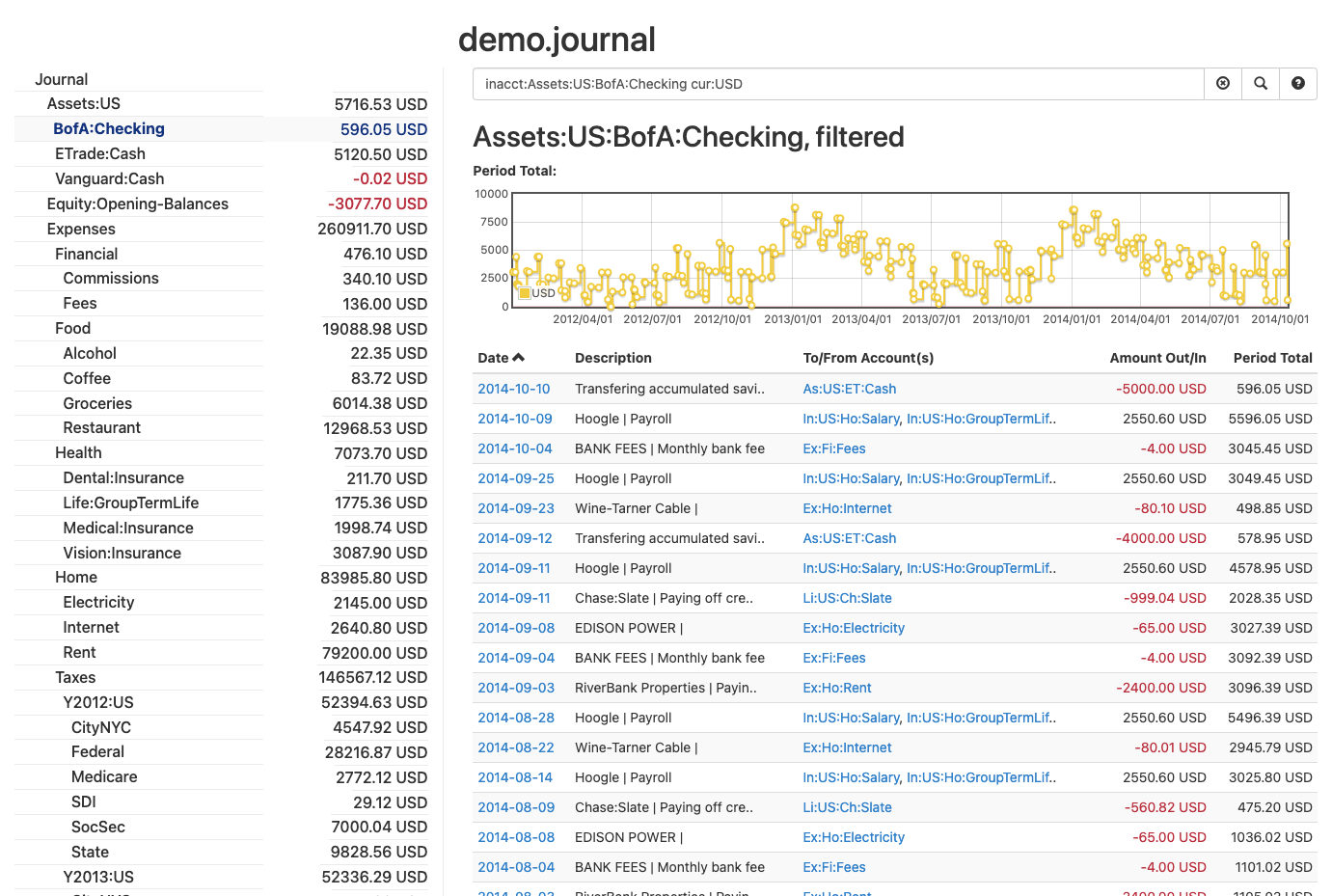
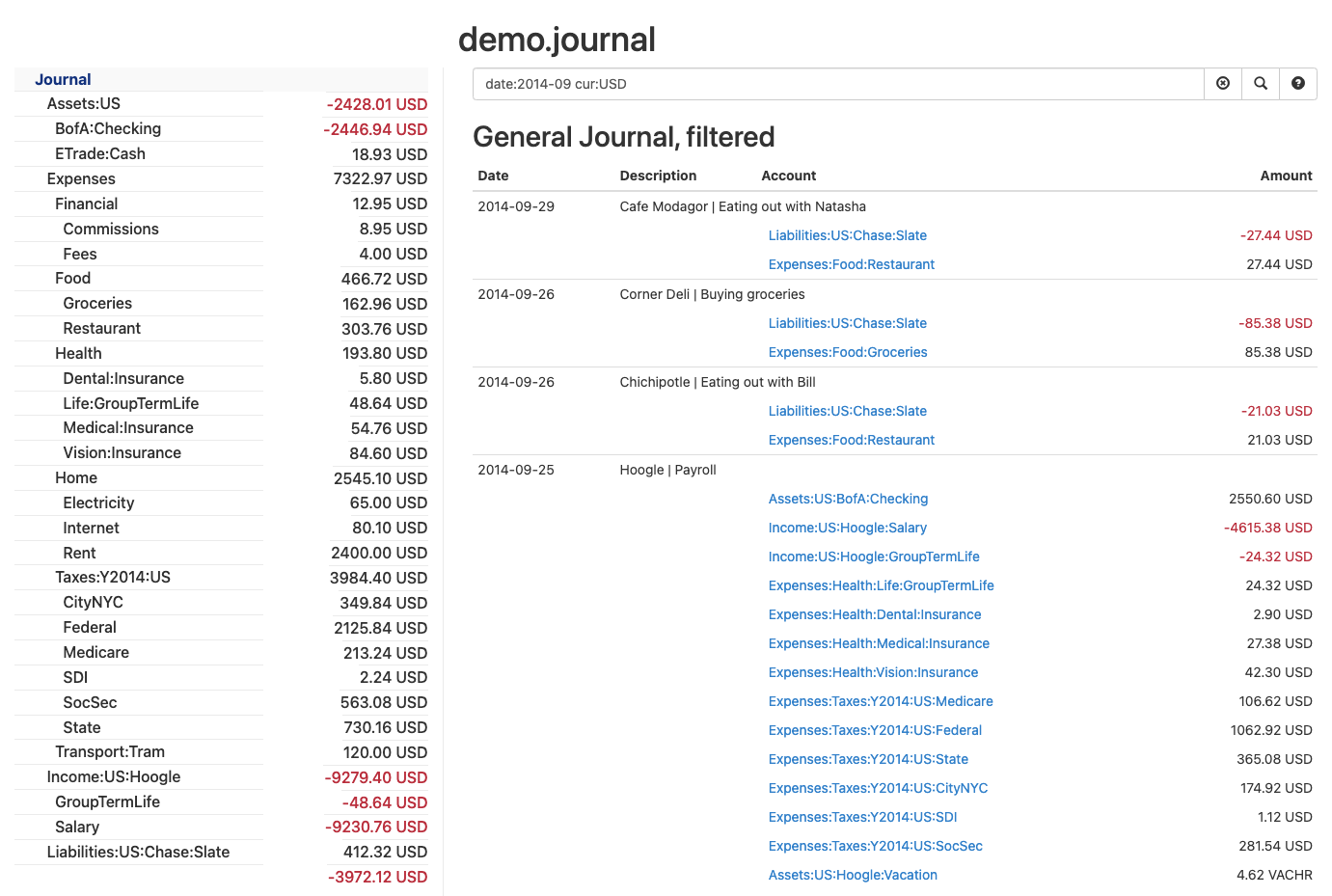
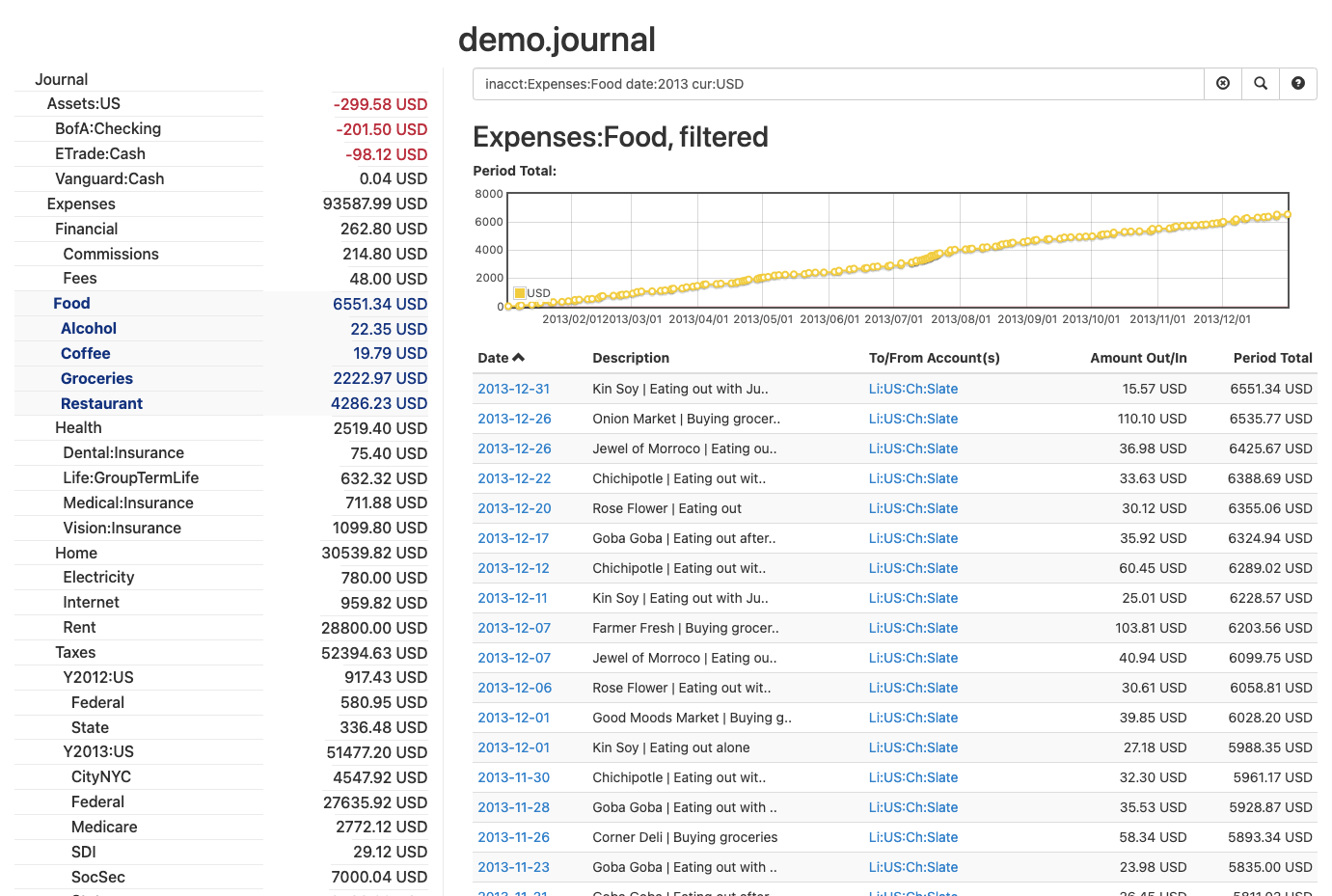
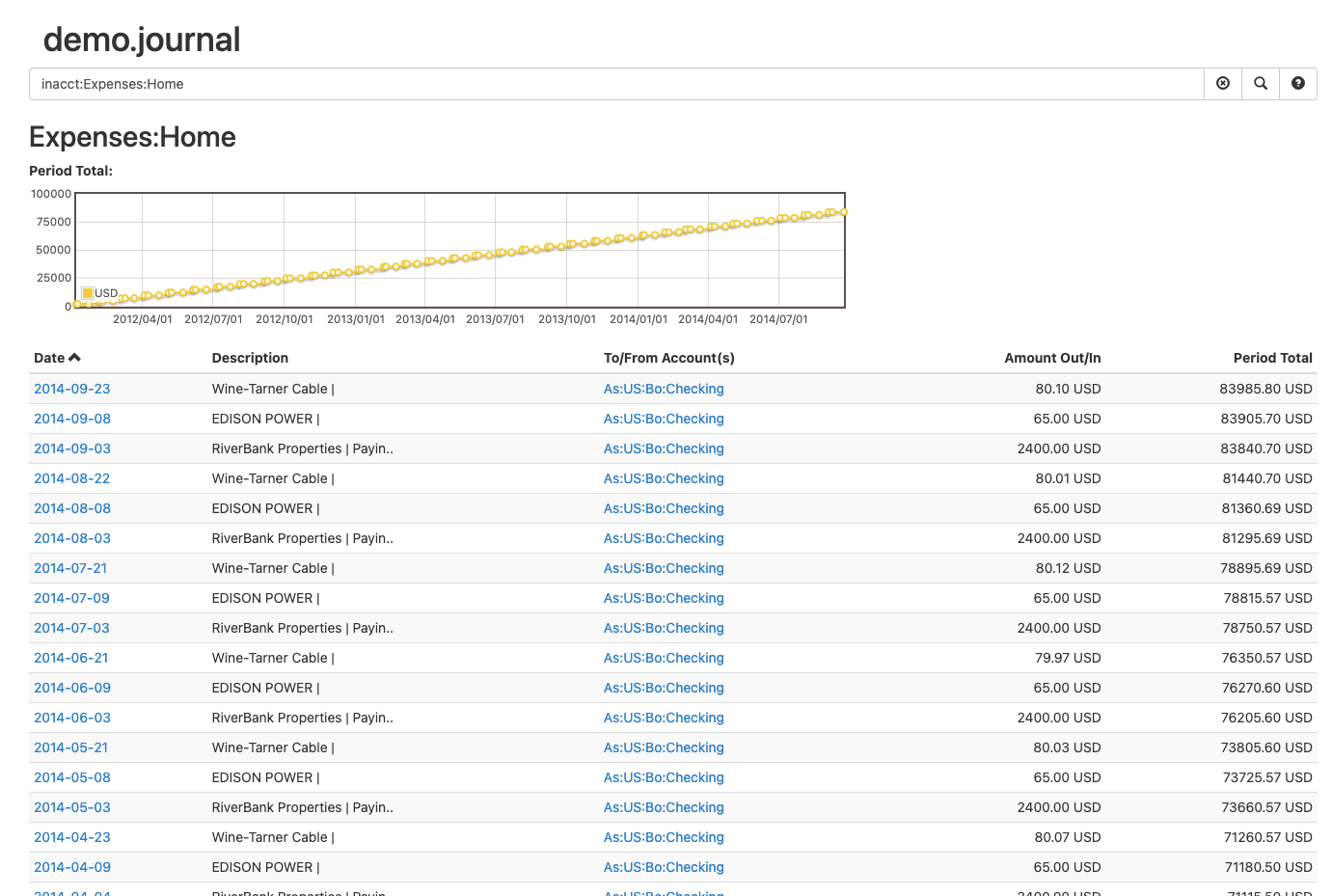
Keep your books in a plain text file, then ask hledger for balance sheets, income statements, and a browsable web ledger whenever you need them. Entries follow double-entry rules with any account hierarchy you like, and a single journal can hold several currencies, investments, cryptocurrencies, and even hours of time. The web interface, hledger-web, shows an account tree with balances beside a per-account register and a balance chart, plus a journal view of whole transactions. A search box takes queries on account names, dates, descriptions, amounts, tags, status, and currencies, and searches can be bookmarked. An add-transaction form autocompletes from your existing journal, and an optional edit mode lets you change, upload, or download the journal files. A JSON API serves accounts, transactions, prices, and commodities, and accepts new transactions by PUT request. It also reads timeclock, timedot, CSV, SSV, and TSV files, with rules files that map bank exports to accounts. Periodic rules forecast future cash flow. Reports leave as text, HTML, CSV, JSON, or SQL, and the journal format is largely compatible with Ledger and largely interconvertible with Beancount. Each web edit writes a numbered backup, and changes made in a text editor appear on the next page load. Several people can share one journal behind an authenticating reverse proxy such as Caddy or Apache. Running on a dedicated VPS on RepoCloud with guaranteed CPU, RAM, and SSD, full root SSH access, and a browser serial console. GPL-3.0-or-later licensed.
Benefits
- Your Records Stay Readable Forever
- Journals are plain text files that any editor opens and Git can diff and version, and the format is largely interconvertible with Beancount, so no vendor can lock your history in.
- Exact Multi-Currency Double-Entry Books
- Amounts stay accurate to 255 decimal places across currencies, investments, and cryptocurrencies, and unbalanced transactions are reported as errors, so budgets and tax figures can be trusted.
- Share One Journal, Set Access Levels
- Start hledger-web with view, add, or edit access, and a numbered journal backup is written on every edit, so several people can use one ledger with a safety net.
- Automate Everything With a JSON API
- Scripts, importers, and dashboards read accounts, transactions, prices, and commodities as JSON and append new transactions with a PUT request, all without touching the journal file directly.
Features
- Account Registers and Charts
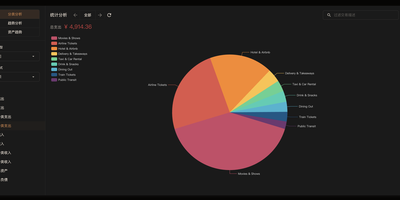
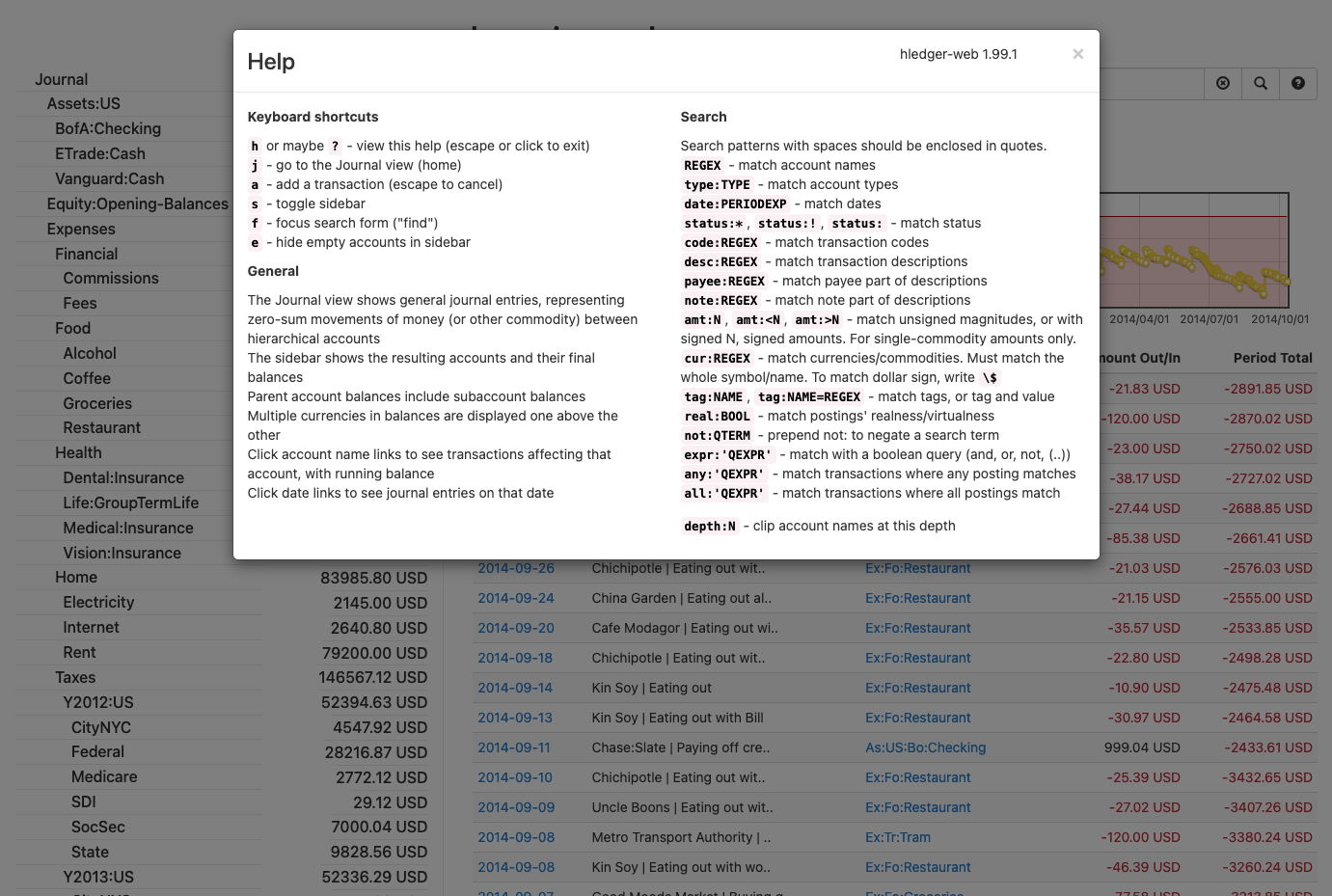
- The web interface pairs an account tree with balances, a per-account register with running totals, a balance chart, and a journal view of whole transactions.
- Flexible Search Queries
- Queries filter by account, date, description, payee, amount, tag, status, and currency, and combine with not:, expr:, and depth: terms to narrow any view.
- History-Aware Data Entry
- An add-transaction form autocompletes from entries already in the journal, and the optional edit mode also lets you edit, upload, or download the journal files.
- JSON API Endpoints
- Routes such as /accounts, /transactions, /prices, and /commodities return JSON, PUT /add appends a transaction, and --serve-api runs the API without the web interface.
- Bank and Time Data Import
- Reads journal, timeclock, timedot, CSV, SSV, and TSV files, with rules files that map bank exports to accounts, so existing statements load without retyping.
- Reverse Proxy Friendly Serving
- Listens on any IP address and TCP port, a Unix socket, or a custom base URL, so nginx, Caddy, or Apache can sit in front and handle logins.