SaaS Alternative
JFrog Artifactory GitHub Packages Sonatype Nexus Repository GitLab Package RegistryCategories
Self-Hosted Developer Tools DevOps CI/CD Container Registry Package Registry Artifact RepositoryStars
Forks
Watchers
Developer links
Astrum Repository
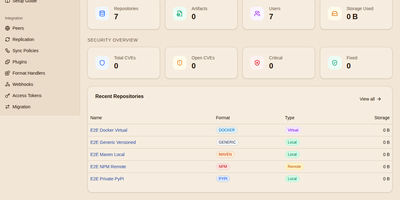
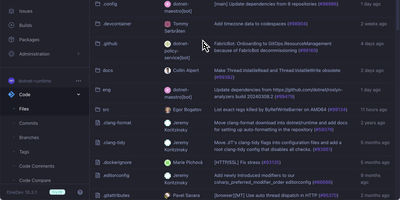
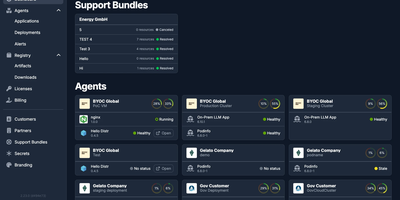
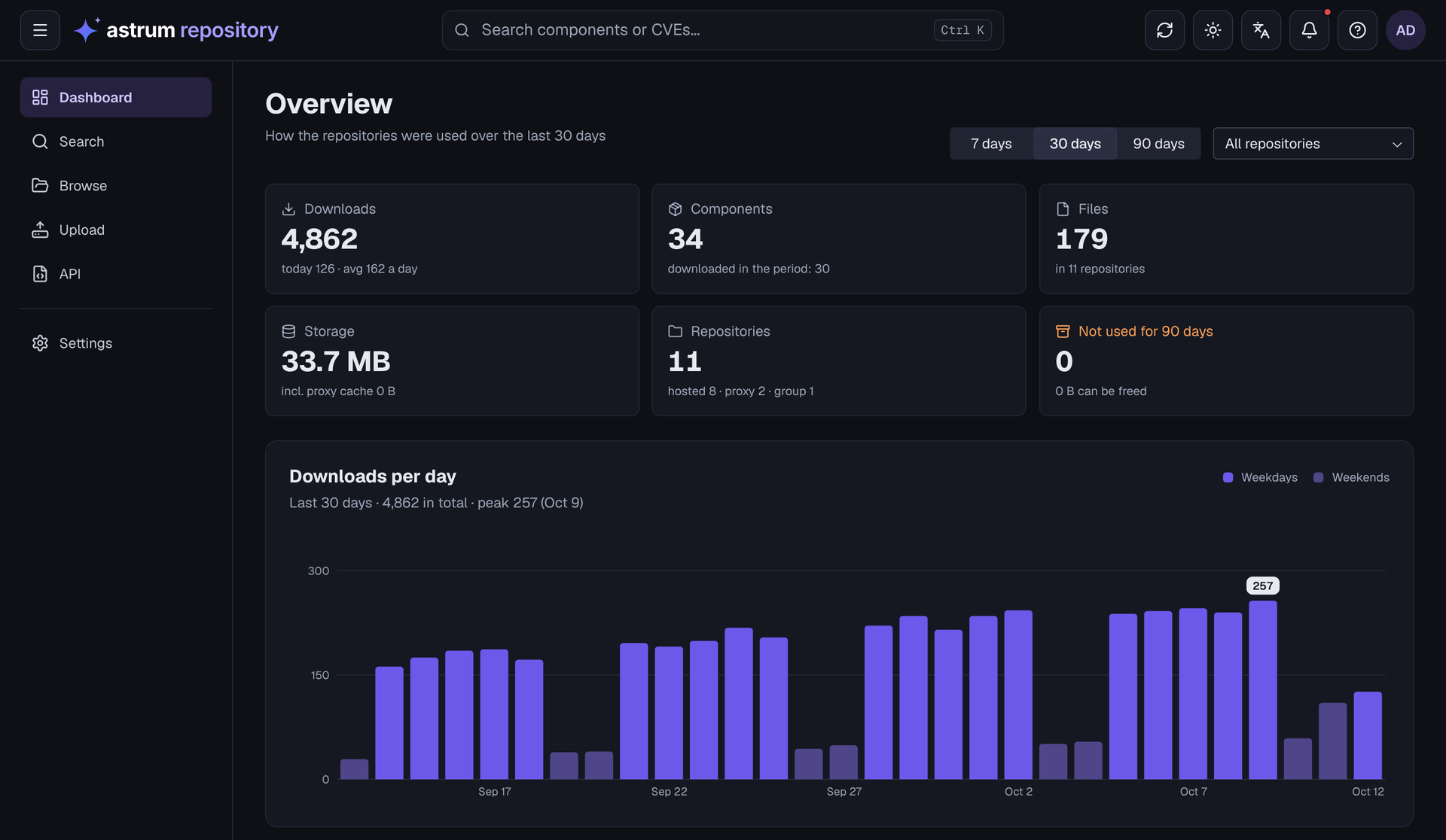
One server can hold every package your builds pull, publish, and cache, so the team stops juggling a different registry for every language. Astrum Repository hosts your own artifacts, proxies public registries so builds keep working when an upstream is down, and groups both behind a single address your tools already understand. Thirty-nine formats share that address: Docker and OCI images, Maven, npm, PyPI, Cargo, Go modules, Helm charts, NuGet, Terraform modules, APT and Yum packages, Hugging Face models, browser extensions, Git LFS, and even remote caches for Nx and Turborepo. Blob storage grows with you, moving between disk, S3, and agent-connected stores that combine into groups without relocating data. Access stays deliberate through users, roles, privileges, and content selectors, with LDAP and OpenID Connect sign-in and access tokens minted for CI pipelines. Day-to-day operations are visible rather than guessed: health endpoints, Prometheus metrics, scheduled tasks, cleanup policies, audit trails, and backups are built in, and several servers can share one database when a single node is no longer enough. The web interface speaks twelve languages, so a platform team spread across regions still works in one console. Running on a dedicated VPS on RepoCloud with guaranteed CPU, RAM, and SSD, full root SSH access, and a browser serial console. MIT licensed.
Benefits
- Every format, one address
- Docker images, Maven jars, npm packages, PyPI wheels, Helm charts, and 34 more formats live behind a single server address, replacing a patchwork of separate registries your pipelines must each learn.
- Builds survive upstream outages
- Proxy repositories cache public registries locally, so a Docker Hub or Maven Central outage stops being your outage: cached artifacts keep serving while the upstream recovers, and groups merge proxy with hosted content.
- Storage that scales out
- Blobs sit on local disk, in S3, or on agent-connected stores that combine into storage groups and extend without moving existing data, while PostgreSQL holds the metadata several servers can share.
- Access control for CI
- Users, roles, privileges, and content selectors decide who publishes and who only pulls, with LDAP and OpenID Connect sign-in for people and scoped access tokens for build pipelines.
Features
- 39 package formats
- Hosted, proxy, and group repositories cover Docker and OCI, Maven, npm, PyPI, Cargo, Go, Helm, NuGet, Terraform, APT, Yum, Hugging Face, Git LFS, and raw files.
- Pull-through caching
- Proxy repositories fetch and cache artifacts from public registries on first request, including remote build caches for Nx and Turborepo, so repeat builds stay fast and local.
- S3 and disk blobs
- Artifact bytes live on filesystem volumes or S3 storage, combined into groups and extended through storage agents without migrating data already written to older stores.
- LDAP and OIDC sign-in
- People authenticate through LDAP or OpenID Connect, pipelines through access tokens, and content selectors scope privileges down to the repositories each identity actually needs.
- Prometheus metrics built in
- Health endpoints, Prometheus metrics, scheduled tasks, cleanup policies, audit logs, and backups give operators a complete picture without bolting on external tooling.