Categories
Self-Hosted Identity Management Network Security VPN Single Sign-On Multi-Factor Authentication Zero Trust AccessStars
Forks
Watchers
Developer links
DefGuard
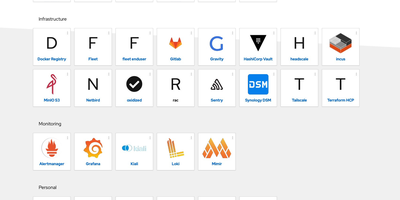
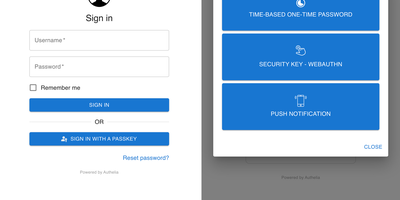
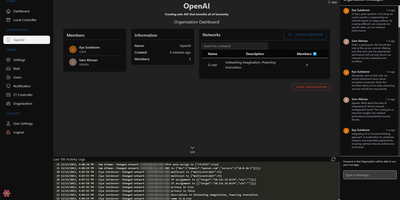
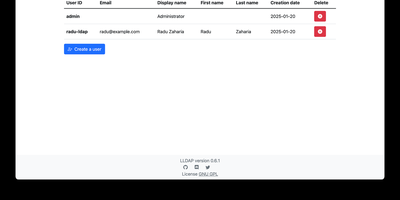
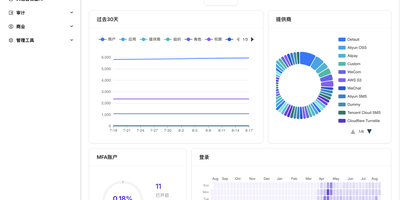
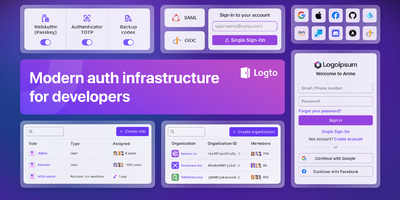
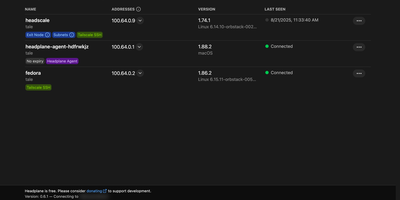
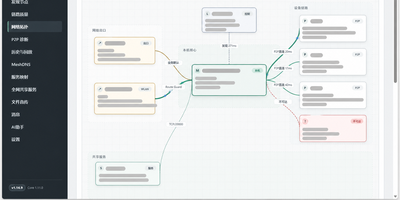
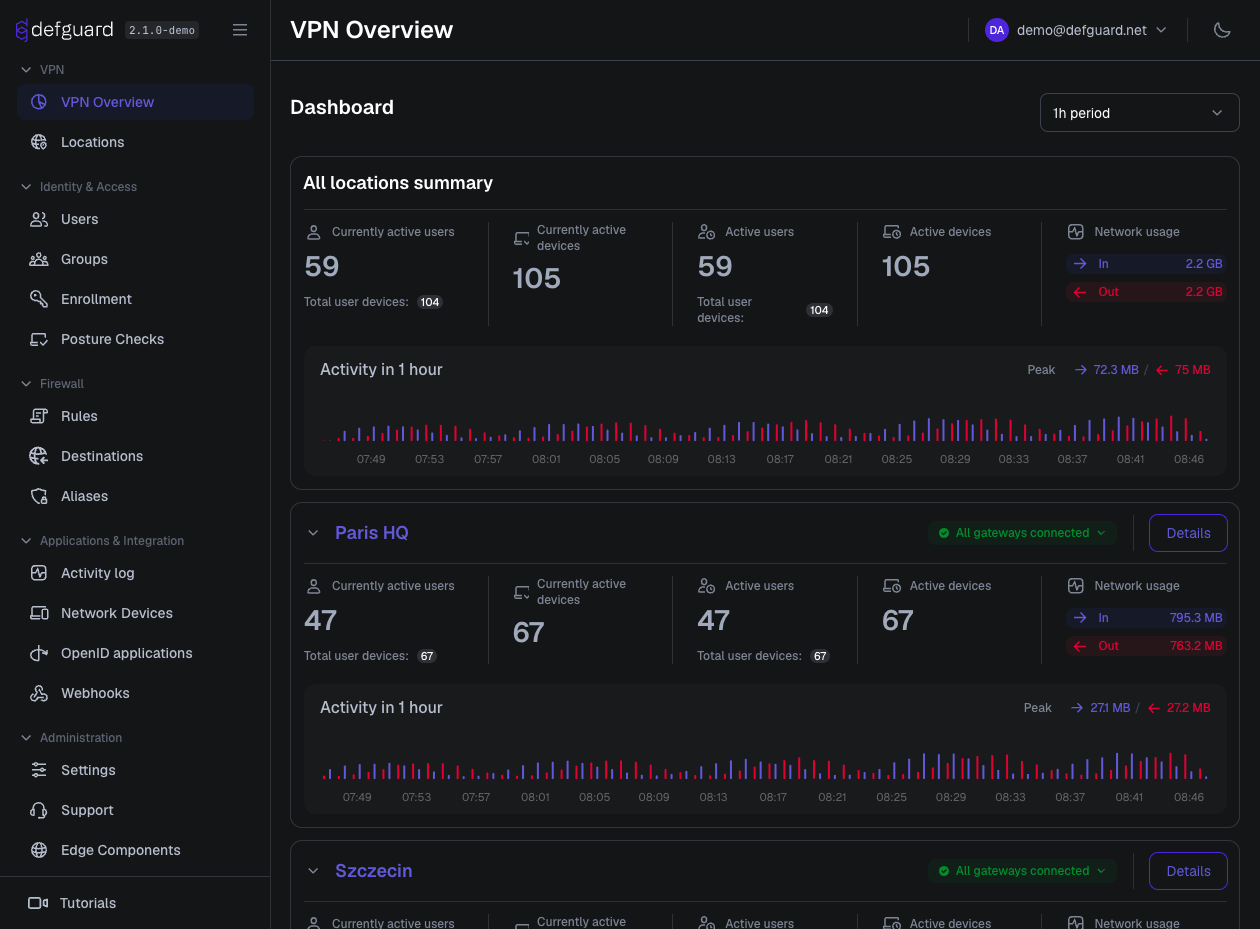
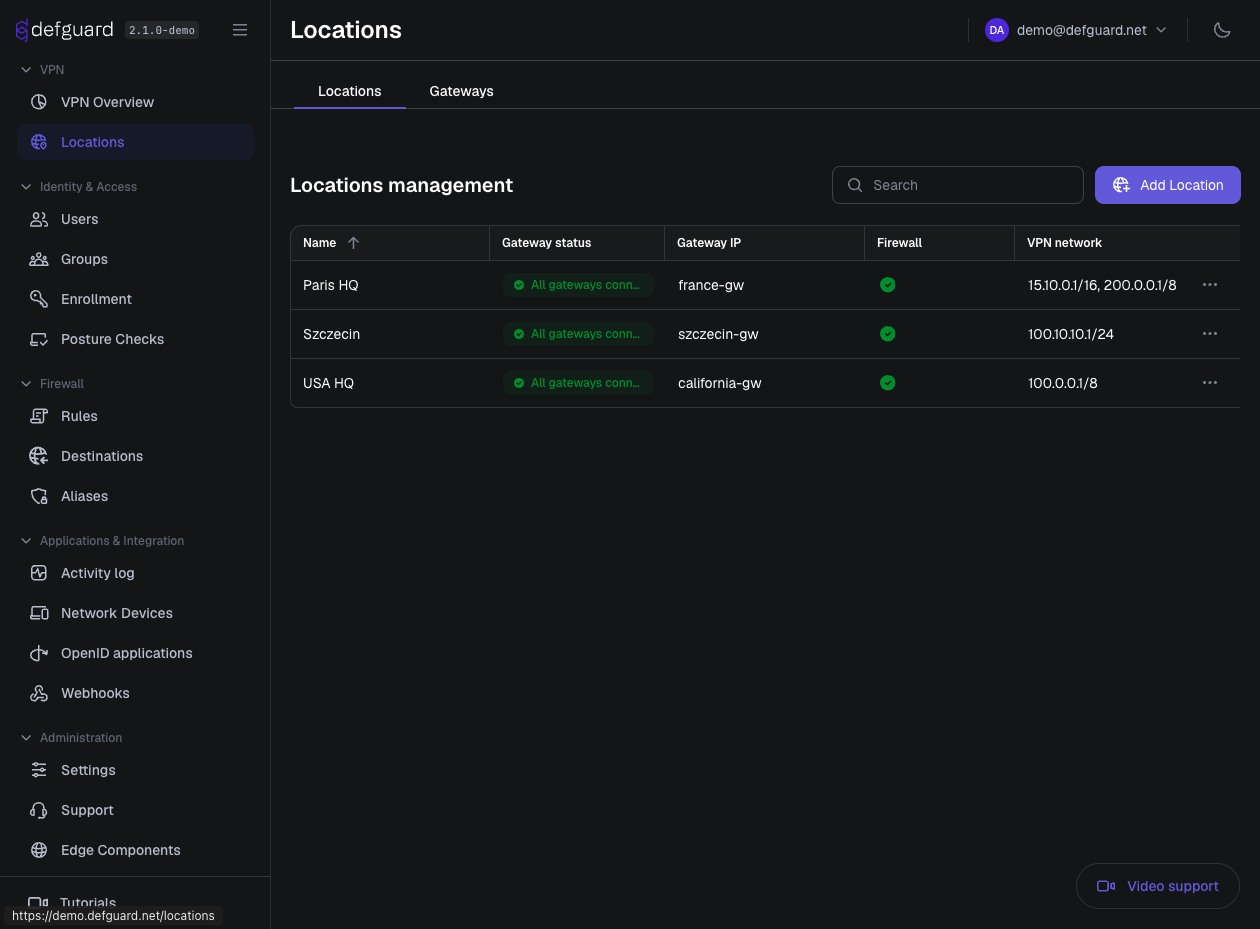
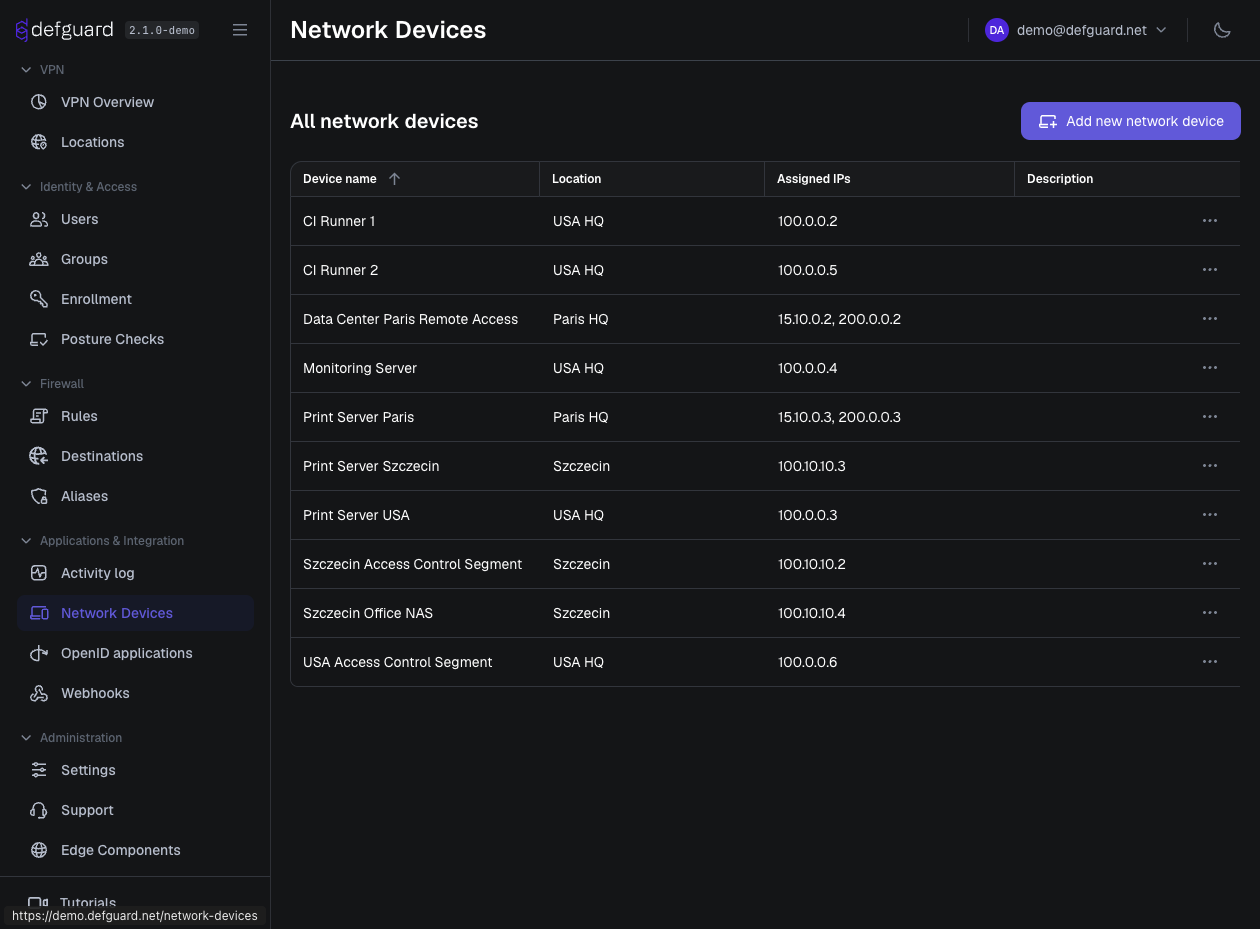
Behind one admin panel, DefGuard runs a WireGuard VPN, an identity provider, and multi-factor authentication, so every person and device proves who they are before reaching your private network. Administrators define VPN locations, assign which users and groups may enter each one, and enforce firewall rules that allow or deny traffic per location, with changes applied to gateways in real time. People enroll remotely through a guided self-service flow, register their own laptops and phones, and connect with desktop and mobile clients that show live connection statistics. Sign-in goes well beyond passwords, because the built-in OpenID Connect provider gives internal tools single sign-on, while TOTP codes, WebAuthn and FIDO2 keys, email tokens, and mobile biometrics gate each connection. Directory teams sync accounts from LDAP and Active Directory, or federate sign-in through Google, Microsoft, and custom OpenID providers, instead of maintaining a separate user list. Every authentication, enrollment, and policy change lands in a searchable activity log, and webhooks plus a REST API let surrounding systems react to access events automatically. Gateways keep enforcing access from a local cache when the control plane is unreachable, and several gateways can front the same location for failover. Running on a dedicated VPS on RepoCloud with guaranteed CPU, RAM, and SSD, full root SSH access, and a browser serial console. AGPL-3.0 licensed.

Benefits
- MFA On Every VPN Connection
- WireGuard tunnels in DefGuard only open after a second factor succeeds, using TOTP, WebAuthn or FIDO2 keys, email tokens, or mobile biometrics, instead of trusting a device key alone.
- One Identity For Every Tool
- The built-in OpenID Connect provider signs your team into internal applications with the same accounts that control VPN access, and external Google or Microsoft sign-in can be federated instead.
- Access Rules Per Location
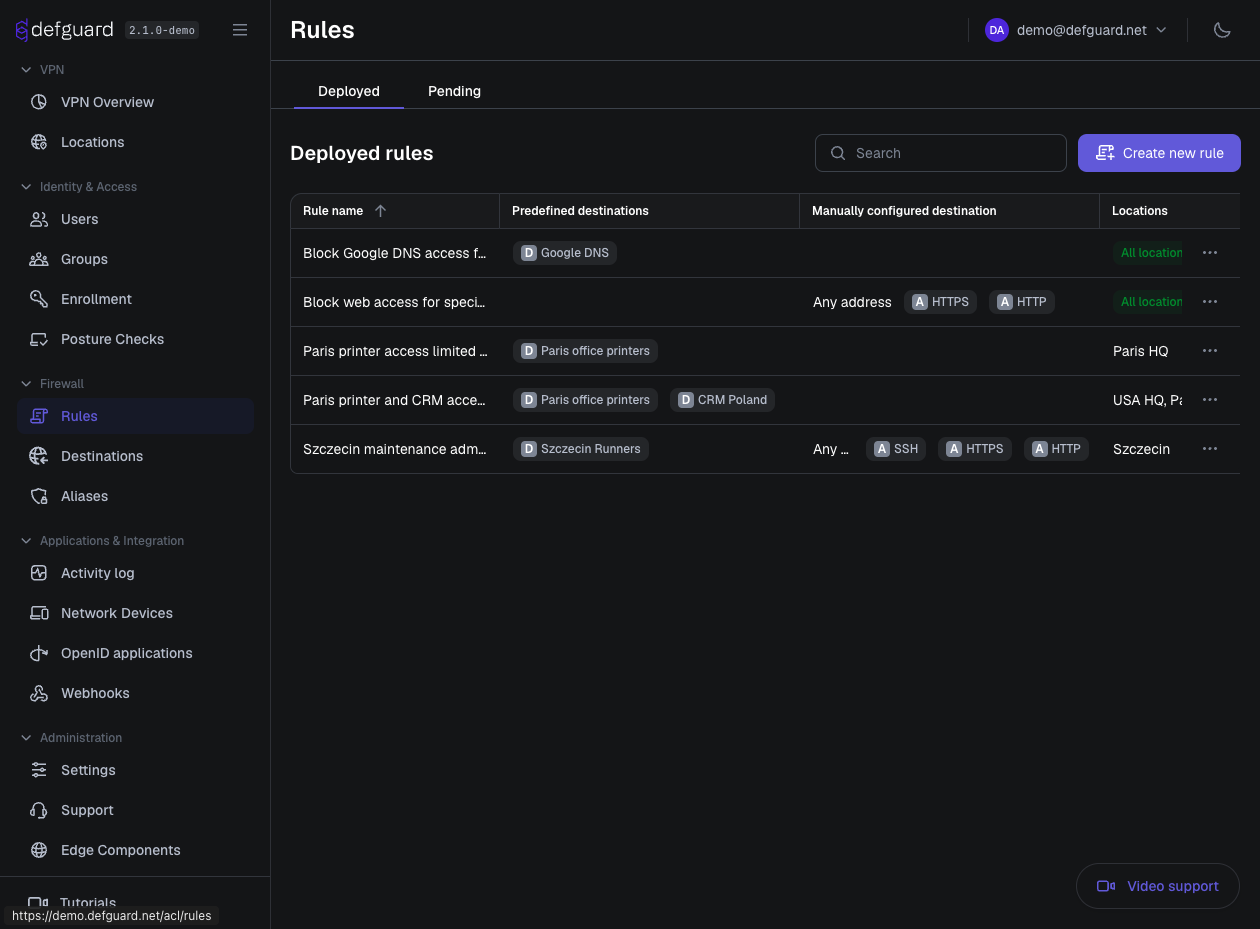
- Each VPN location gets its own allow and deny firewall rules tied to users and groups, pushed to gateways in real time, so a contractor never inherits the whole network by default.
- Self-Service Enrollment, Less Ticketing
- New hires enroll through a guided remote flow, register their own devices, and reset credentials without administrator help, while every step is written to the searchable activity log for audit.
Features
- WireGuard VPN Locations
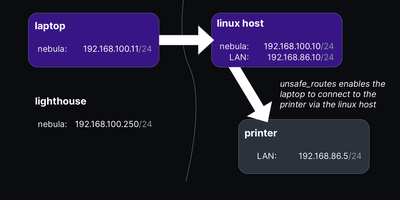
- Run several WireGuard locations with per-location access control for users and groups, kernel or userspace gateways, and MFA required before a tunnel is established.
- Built-In OIDC Provider
- DefGuard acts as an OpenID Connect provider for single sign-on to internal apps, and federates external identity providers including Google, Microsoft, and LDAP directories.
- Per-Connection MFA Methods
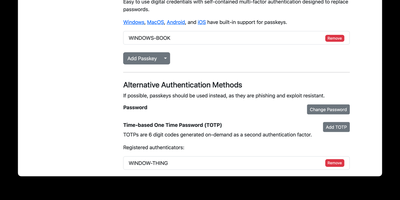
- Connections verify with TOTP authenticator codes, WebAuthn and FIDO2 security keys, one-time email tokens, or biometric approval in the DefGuard mobile app.
- Real-Time Firewall Rules
- Allow and deny rules are defined per VPN location for individual users or groups and propagate to every connected gateway immediately when an administrator saves them.
- Enrollment And Activity Log
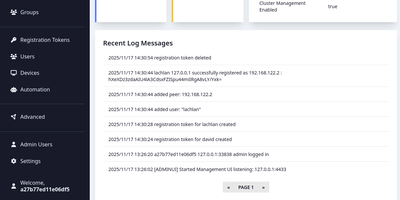
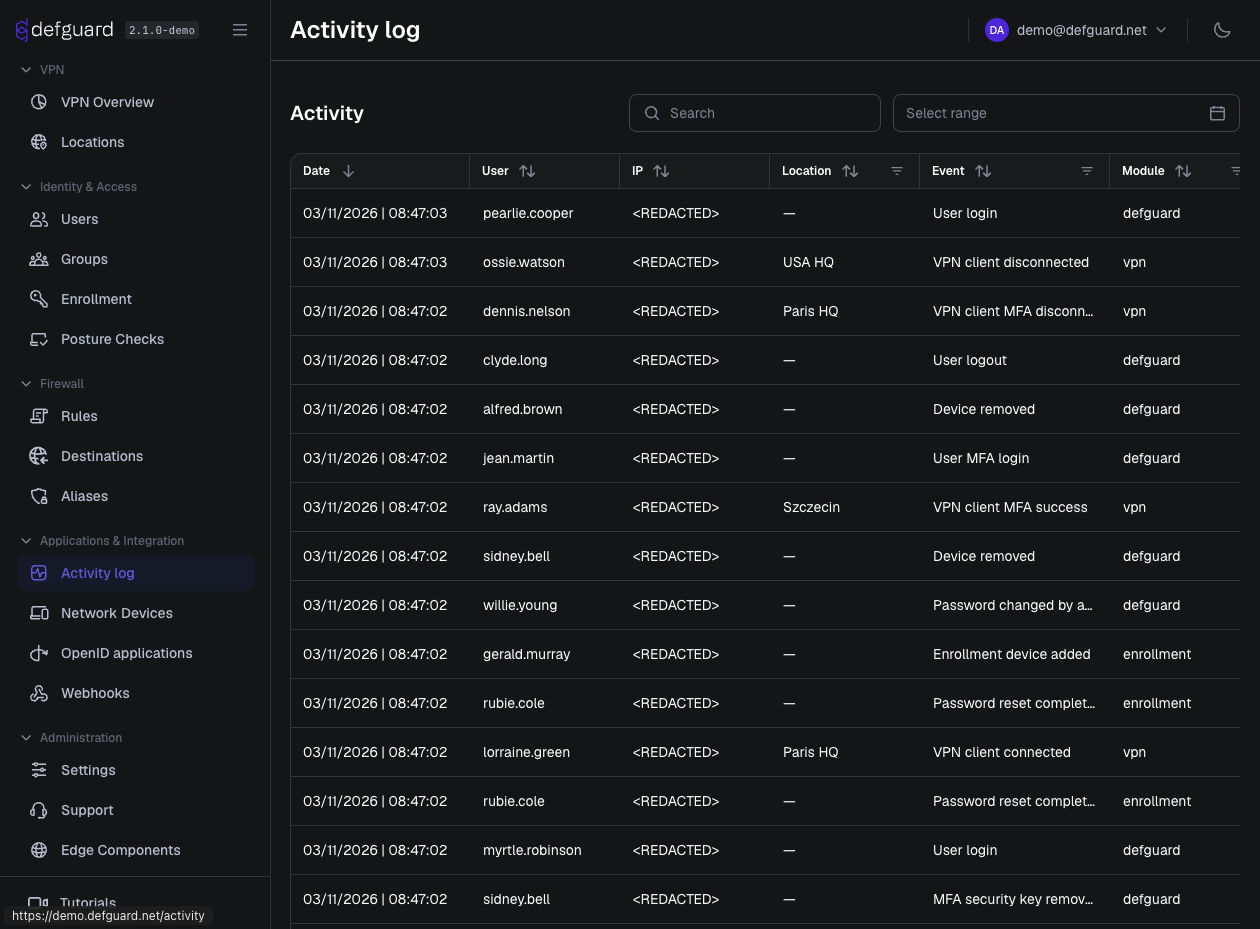
- Remote enrollment walks new users through account and device setup without IT handling hardware, and the activity log records events with filtering and full-text search.