Categories
Developer Tools Content Management Headless CMS Backend Platform API Development Realtime DatabaseStars
Forks
Watchers
Developer links
Spica
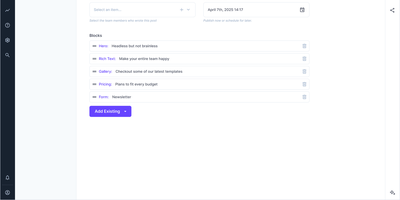
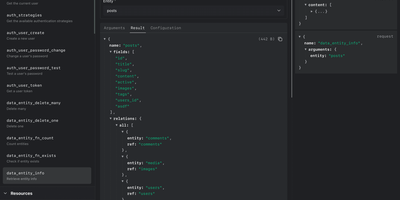
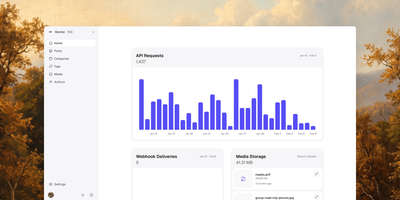
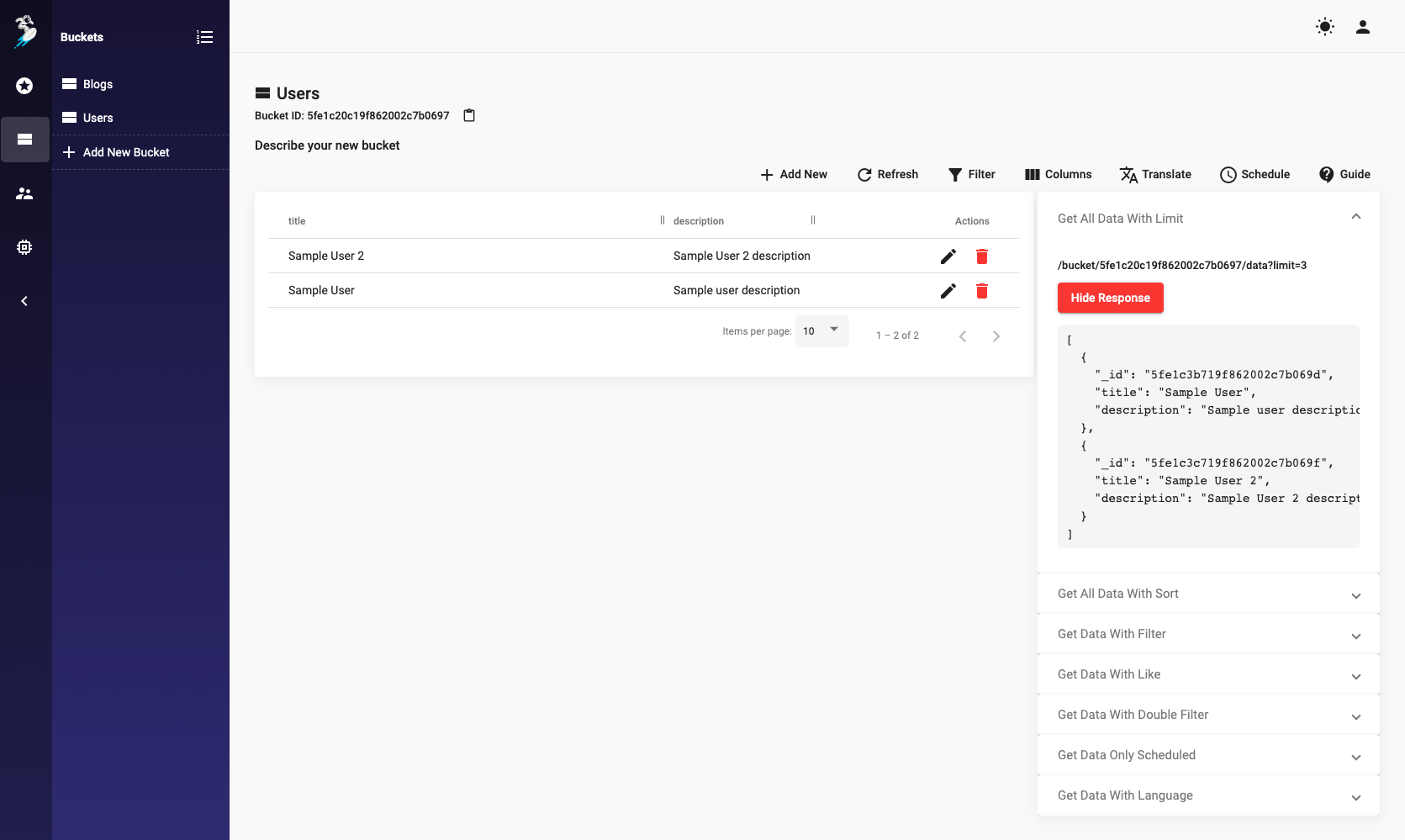
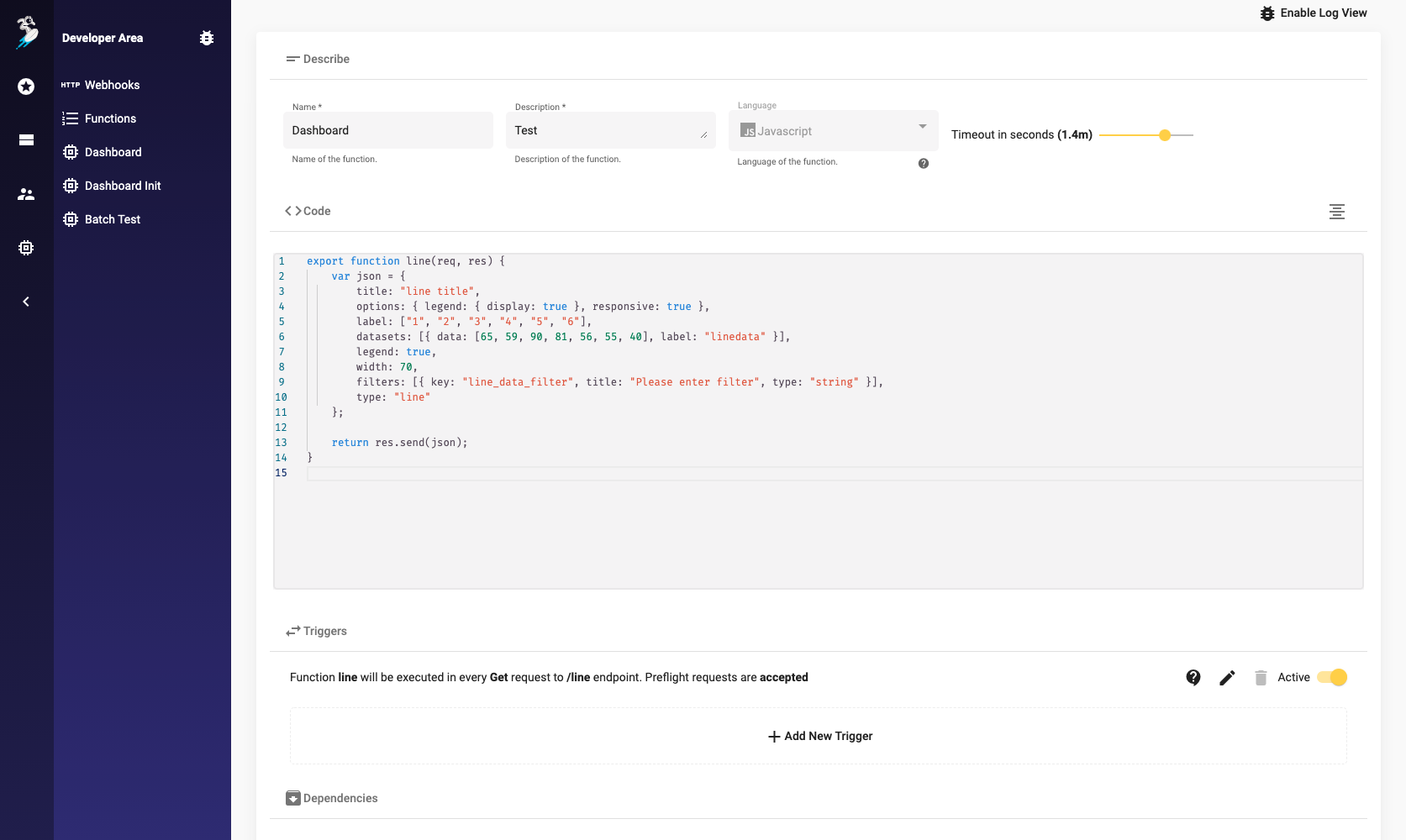
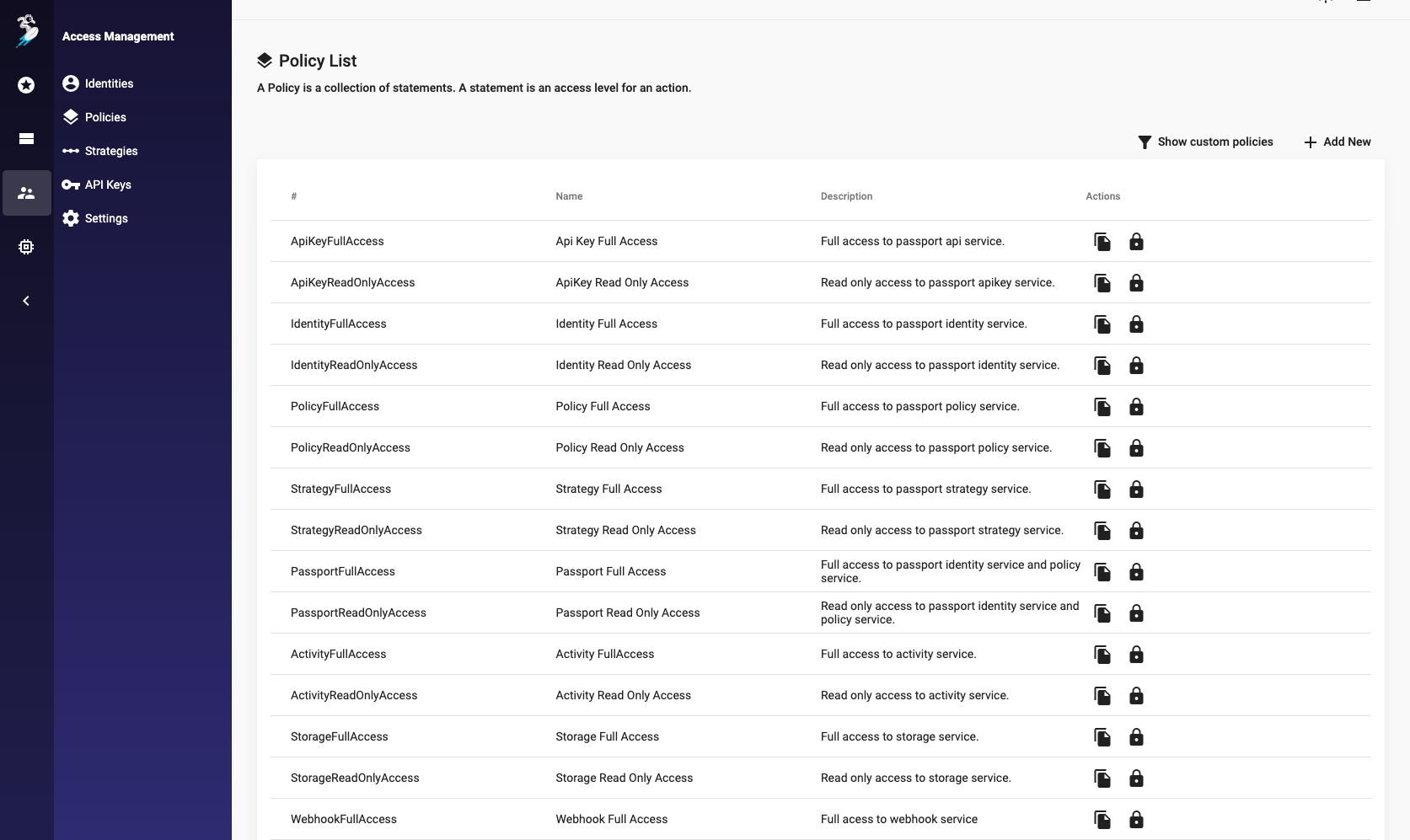
Spica skips the month of backend plumbing every new project starts with: data models, CRUD endpoints, logins, file storage, and an admin panel nobody wants to build. It hands you that whole layer as a running platform, so your first day is spent modeling your actual product. Define your data in Buckets and the REST API, with a GraphQL API alongside it, is generated automatically, complete with rules on each bucket as an entry-level security layer. Add custom policies so each user role reaches exactly the data and technical areas it should, then place your business logic in cloud functions triggered by events. Content teams get a back-office they can actually use: customized bucket views with a few clicks, inline image editing, data history, and localization for editors working in more than one language. Identities cover your users and editors, storage serves your files, and webhooks push events out to tools like Slack or Zapier when something changes. Run it as a backend engine for an application you are building, or purely as a headless CMS feeding a frontend that lives somewhere else. Running on a dedicated VPS on RepoCloud with guaranteed CPU, RAM, and SSD, full root SSH access, and a browser serial console. AGPL-3.0 licensed.
Benefits
- APIs Generated From Models
- Define a Bucket once and Spica generates its REST and GraphQL APIs automatically with per-bucket rules, removing weeks of repetitive CRUD and endpoint plumbing from every project.
- Back-Office Non-Technical People Use
- Customizable bucket views, inline image editing, data history, and localization let content editors work safely without touching the technical parts of the system.
- Logic In Cloud Functions
- Event-driven functions hold your custom business logic and automations inside the platform, triggered by data changes instead of a separate worker service you must maintain.
- Policies Per Role
- Custom identity policies decide which roles reach which buckets and tools, so editors, customers, and administrators each see only what their job requires.
Features
- Bucket Data Modeling
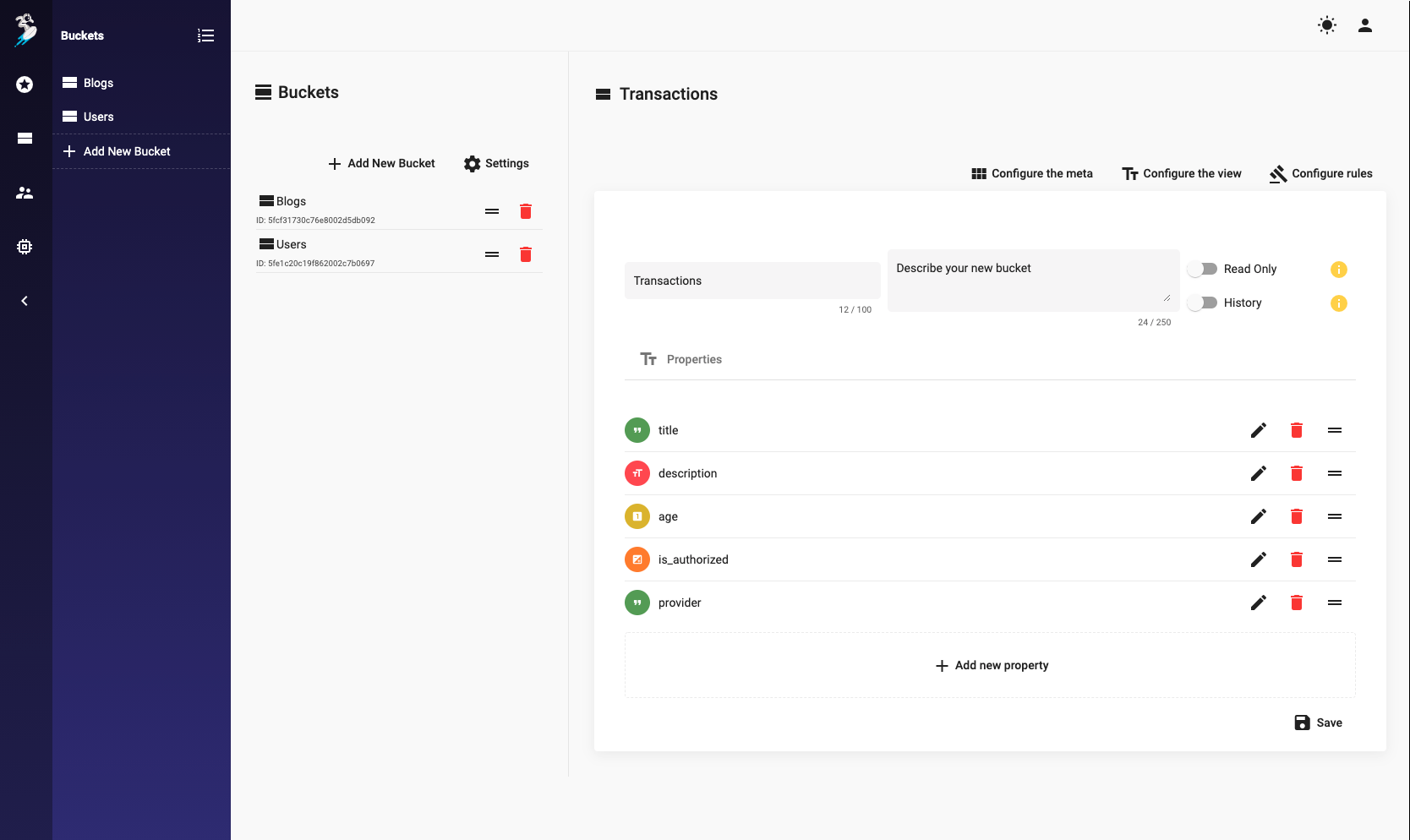
- Model collections in the Bucket module with fields, relations, and entry-level ACL rules, then rearrange the views your editors see with a few clicks.
- Realtime Database
- Data changes propagate in realtime to connected clients, so dashboards and frontends update the moment content or records change.
- Identity And Access Management
- Create identities for users and content editors with custom OAuth and SAML options, activity monitoring, and fine-grained policy assignment.
- Storage With CDN
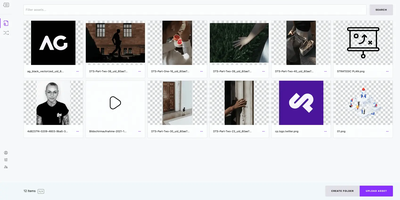
- Upload and serve files through the built-in storage module instead of wiring a separate object store into every new project.
- Webhooks And Triggers
- Fire webhooks to third-party tools like Slack and Zapier, or run functions on data events to automate the workflows around your content.
- CLI Project Start
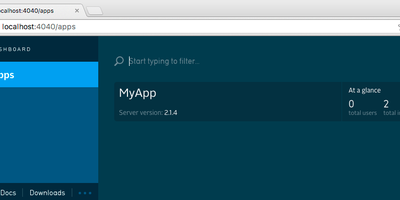
- Install the Spica CLI with npm, run spica project start with Docker, and a fresh server with its dashboard is ready to model.