Categories
Self-Hosted Developer Tools Infrastructure Version Control Configuration Management IPAM Network Automation Source of TruthStars
Forks
Watchers
Developer links
Infrahub
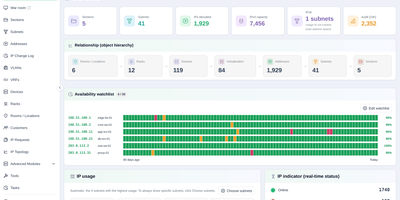
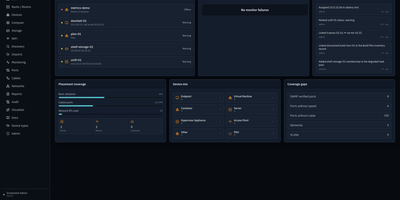
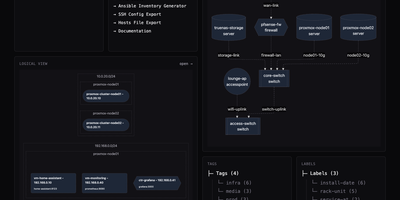
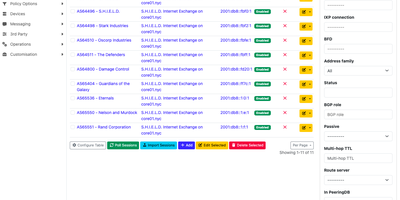
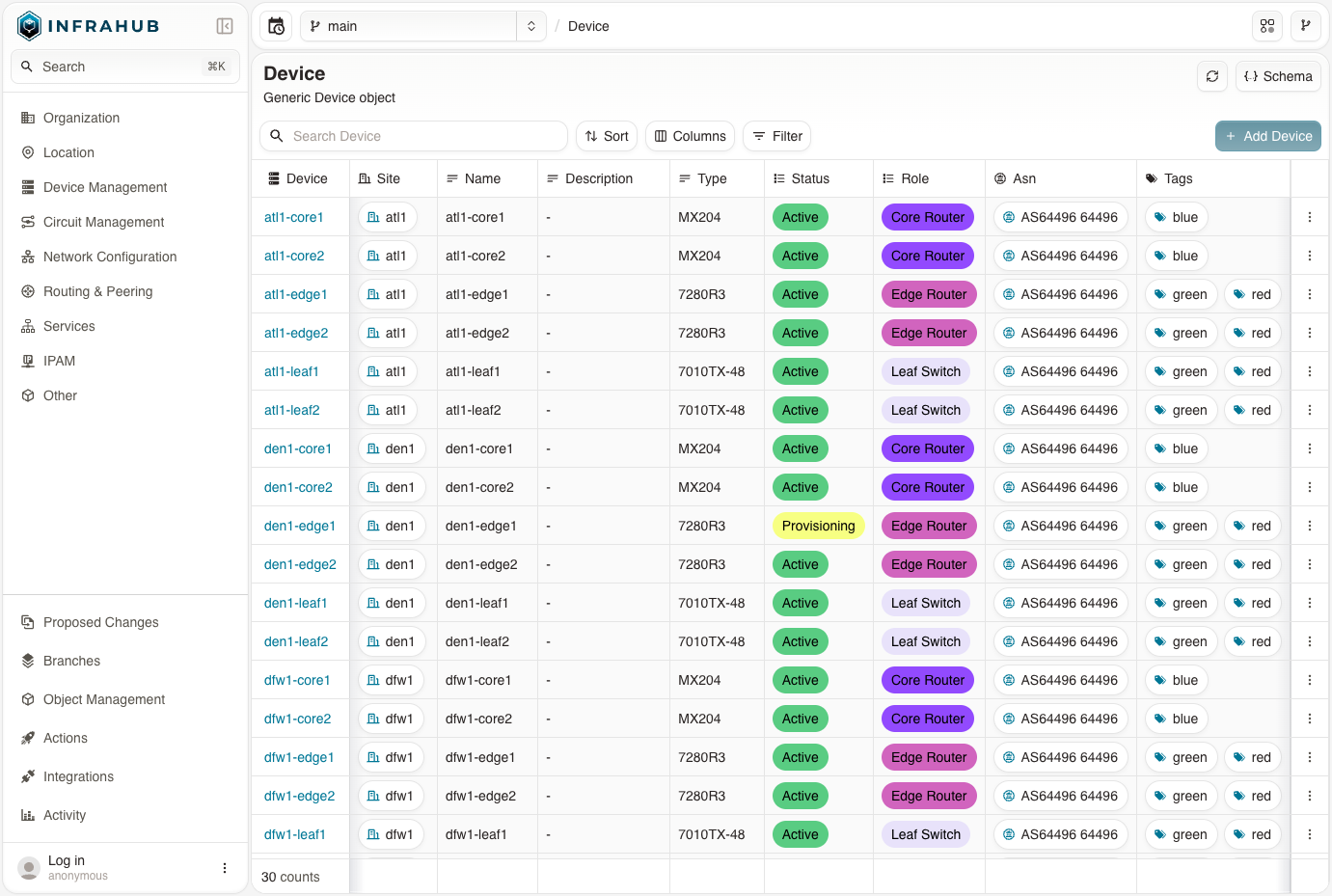
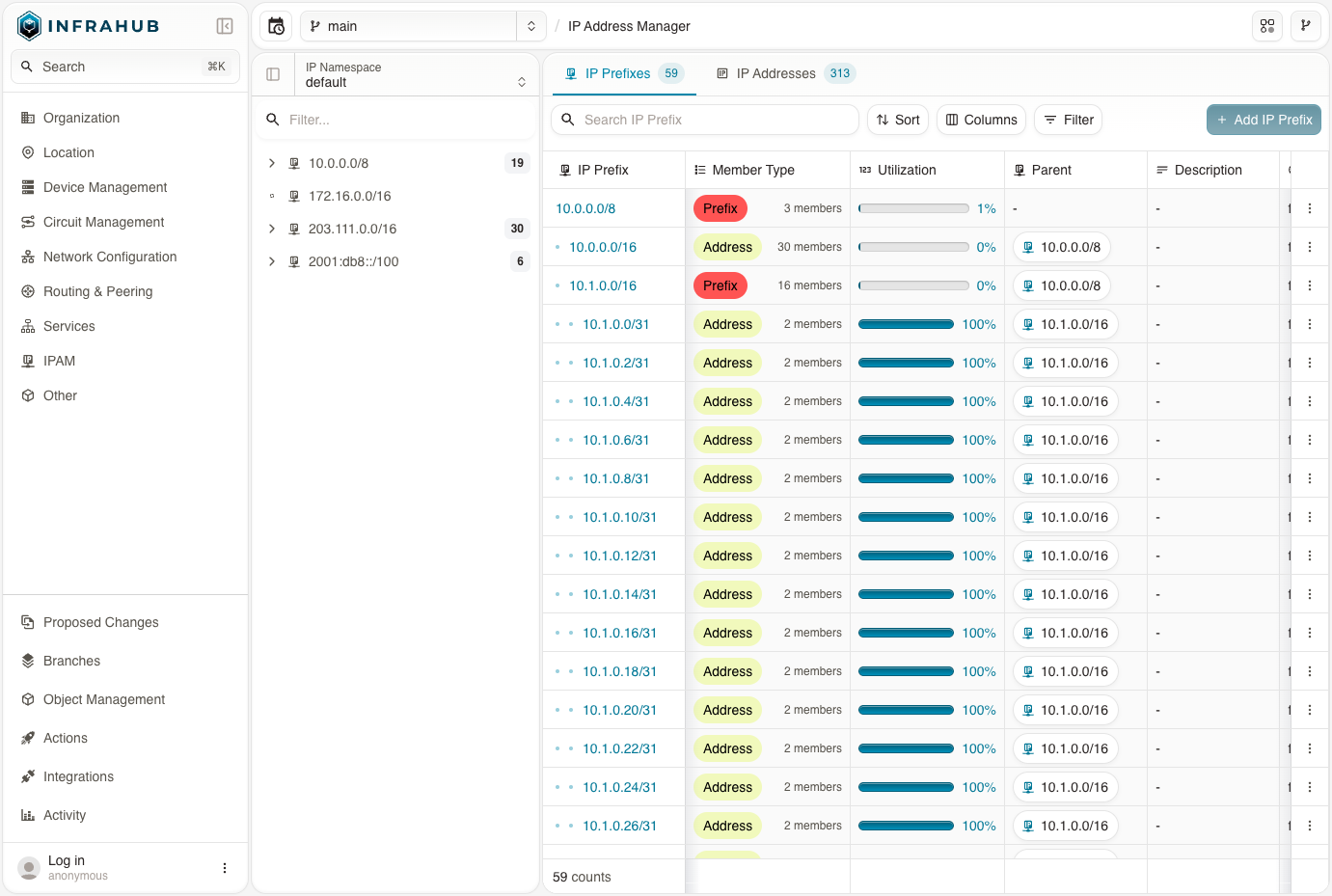
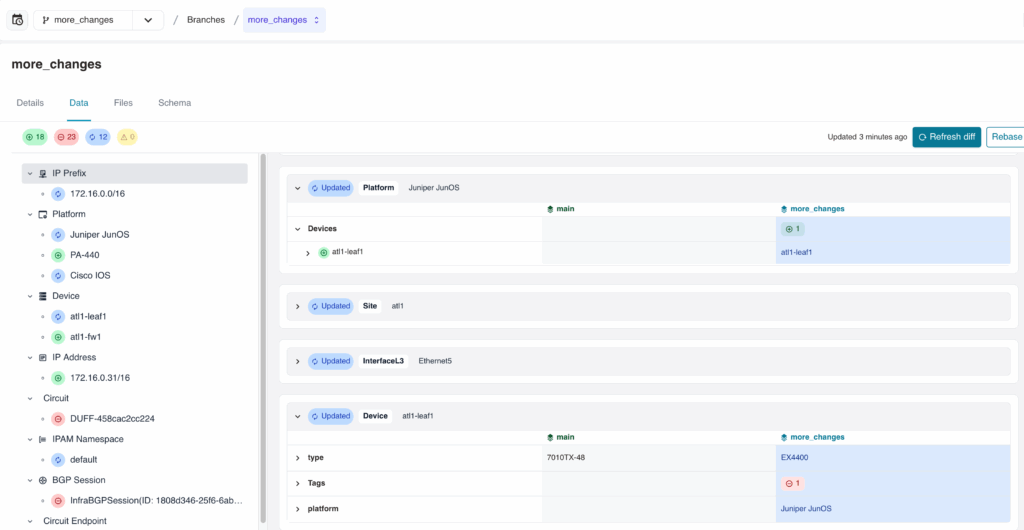
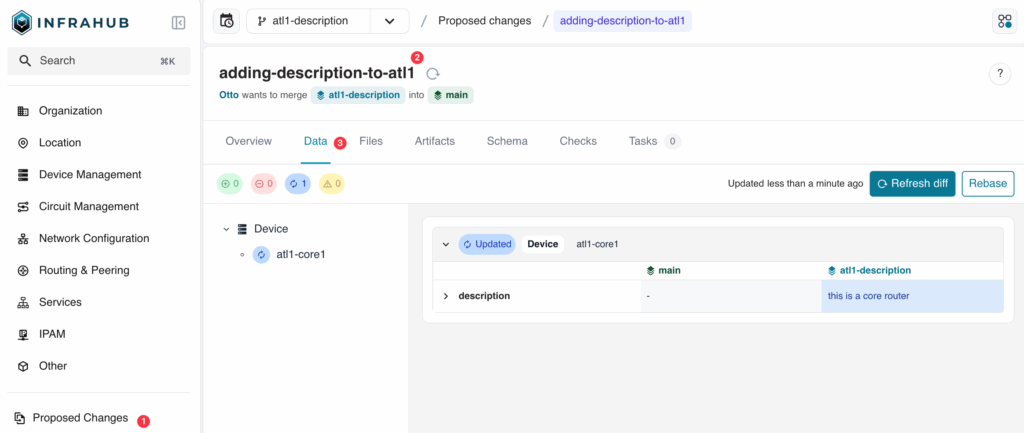
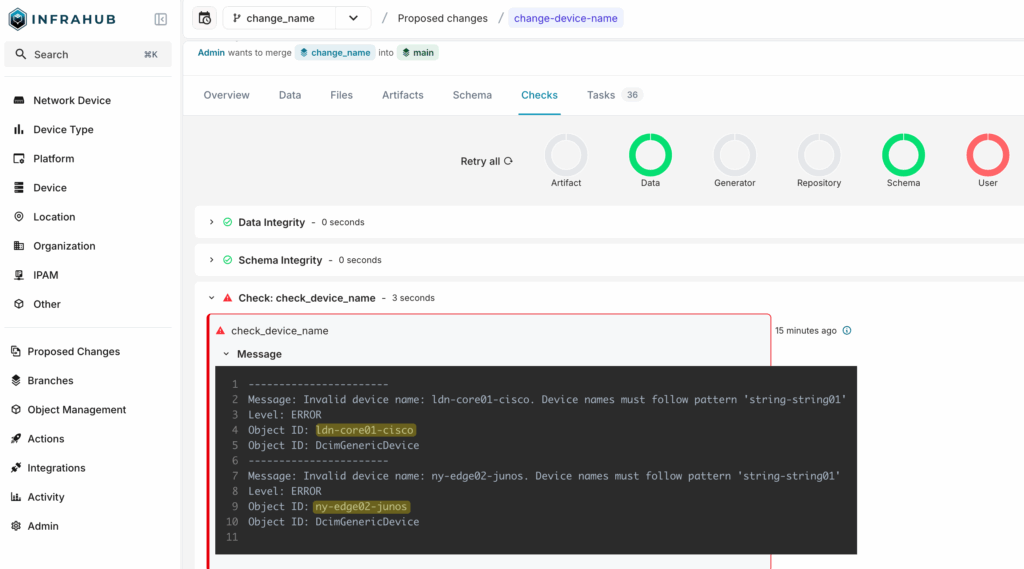
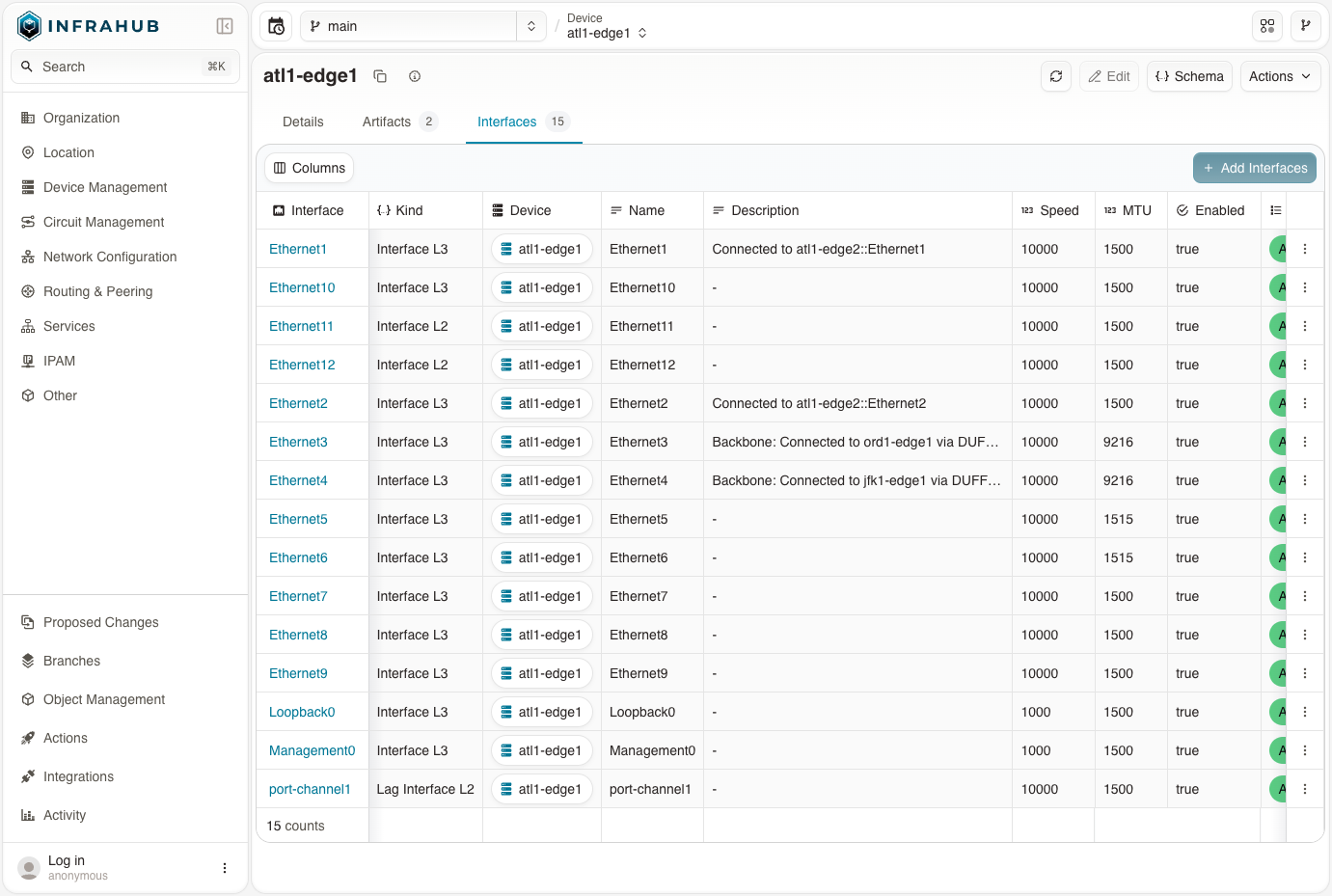
For network and infrastructure teams, Infrahub is one validated source of truth for devices, IP space, circuits, and services, with Git-style branches for every change. You write the schema in YAML, and Infrahub builds the web interface and API endpoints from it, covering sites, devices, interfaces, VLANs, BGP sessions, or any concept your business needs. Built-in IPAM tracks IPv4 and IPv6 prefix trees, utilization, addresses, namespaces, and resource pools. Work on a branch, compare a per-object diff of added, removed, and updated records, resolve conflicts, and merge through a proposed change that bundles data, files, artifacts, schema, and check results. Python checks enforce your own design rules, such as two WAN circuits per site, before anything merges. Immutable history and an activity log answer who changed what, and when. Transformations in Jinja2 or Python render device configurations and other documents as stored artifacts, while Generators create objects from a site design. Git repositories supply schemas, queries, and templates. GraphQL, REST, a Python SDK, an Ansible collection, and a Nornir plugin feed existing automation, Infrahub Sync imports from NetBox or Nautobot, and an optional MCP server lets Claude and Cursor read the data. Running on a dedicated VPS on RepoCloud with guaranteed CPU, RAM, and SSD, full root SSH access, and a browser serial console. Apache-2.0 licensed.
Benefits
- Review infrastructure changes before merging
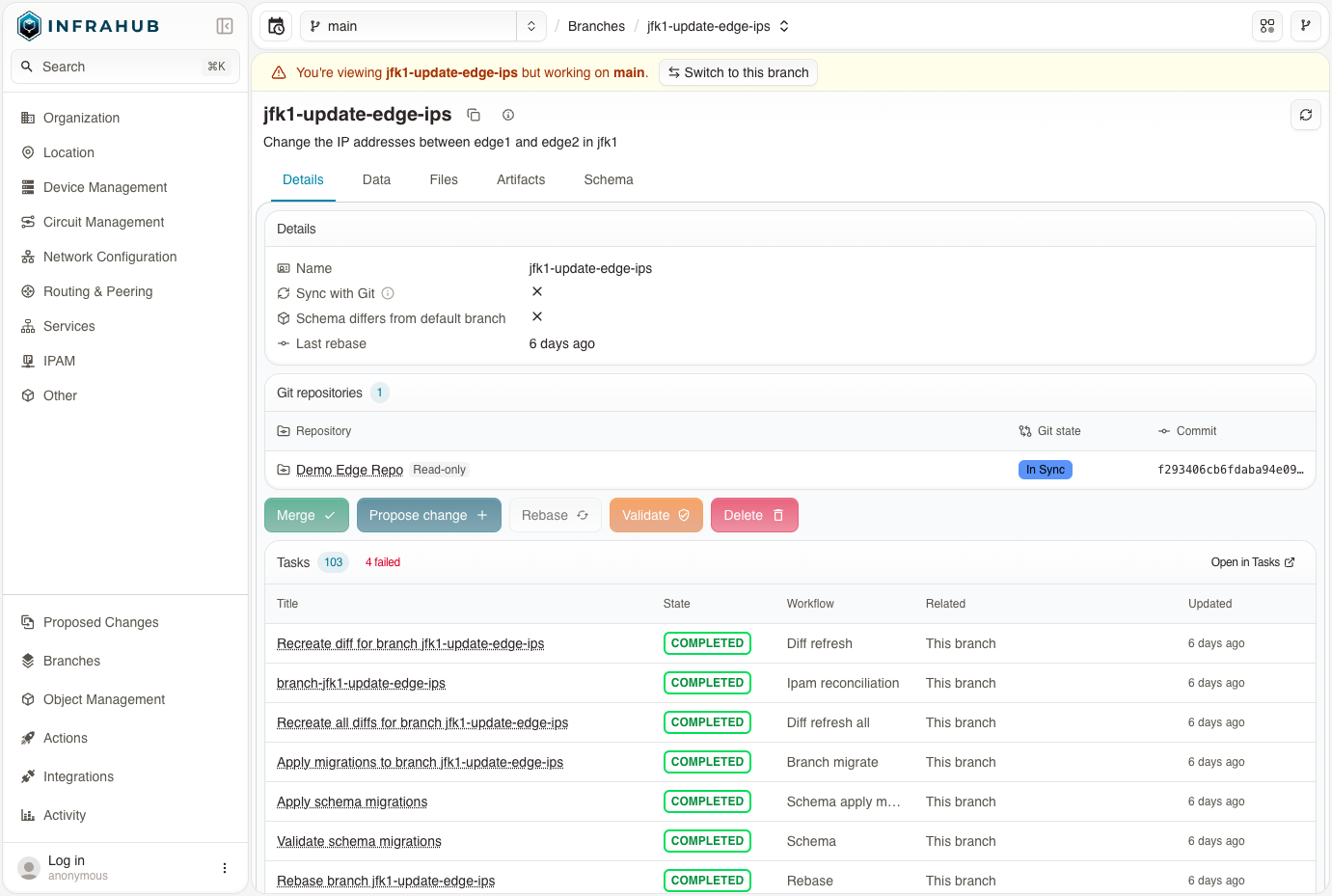
- Prepare edits on an isolated branch, inspect a per-object diff, run checks inside a proposed change, resolve conflicts, and merge only reviewed records into the default branch.
- One schema for every infrastructure record
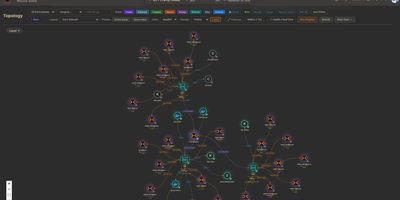
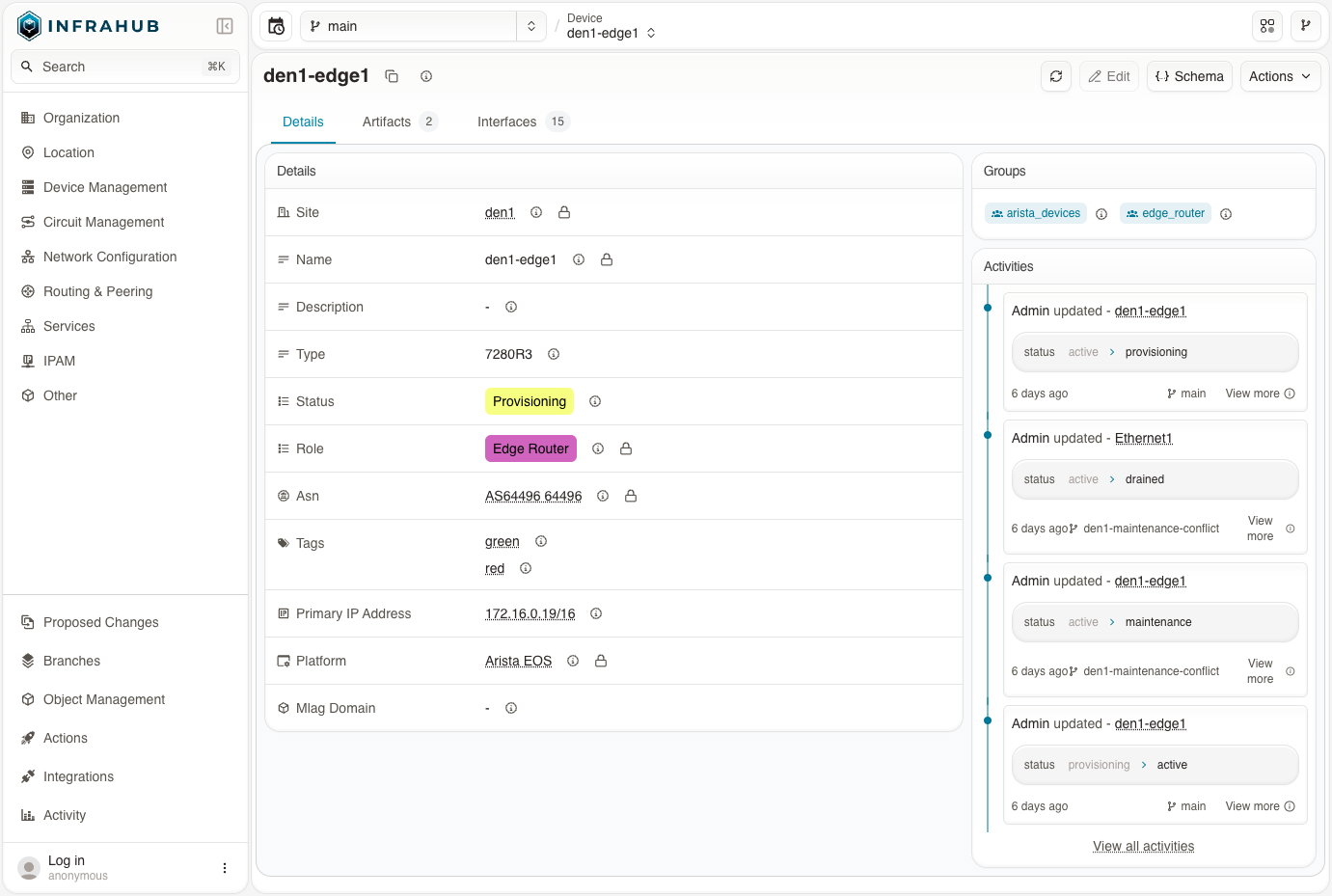
- Sites, devices, interfaces, circuits, providers, IP prefixes, and services share one YAML-defined model with typed relationships, so you can trace which services depend on a circuit before replacing it.
- Generate device configs from validated data
- Jinja2 templates and Python transformations read GraphQL query results and produce per-device artifacts such as startup configurations, stored for review and retrieval through the REST API.
- Connect your existing automation tooling
- GraphQL and REST APIs, the Python SDK with infrahubctl, an Ansible collection, a Nornir plugin, and Infrahub Sync for NetBox and Nautobot link it to tools you already run.
Features
- Schema-First Graph Model
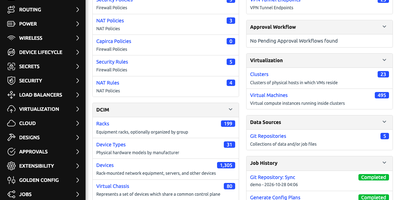
- Define object kinds, attributes, relationships, and validation rules in YAML; Infrahub stores records as a Neo4j graph and generates the web interface and API endpoints from that schema.
- Branches and Proposed Changes
- Branch data, schema, and artifacts, compare per-object diffs, rebase, and merge; proposed changes add Files, Artifacts, Schema, Checks, and Tasks tabs for review.
- Built-In IPAM
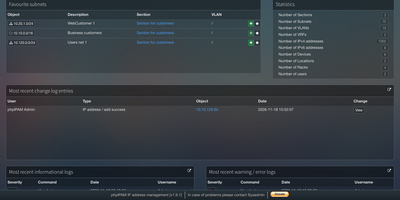
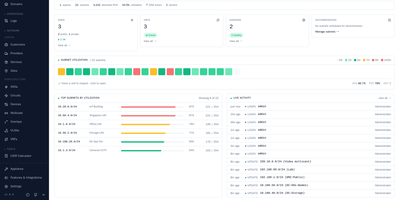
- Manage IPv4 and IPv6 prefix trees with utilization, IP addresses, namespaces, and resource pools that hand out the next available prefix, address, or number.
- Generators and Artifacts
- Python Generators create objects from a site design, while Jinja2 or Python Transformations render stored artifacts such as device startup configurations and JSON payloads for each target.
- Activity Log and Tasks
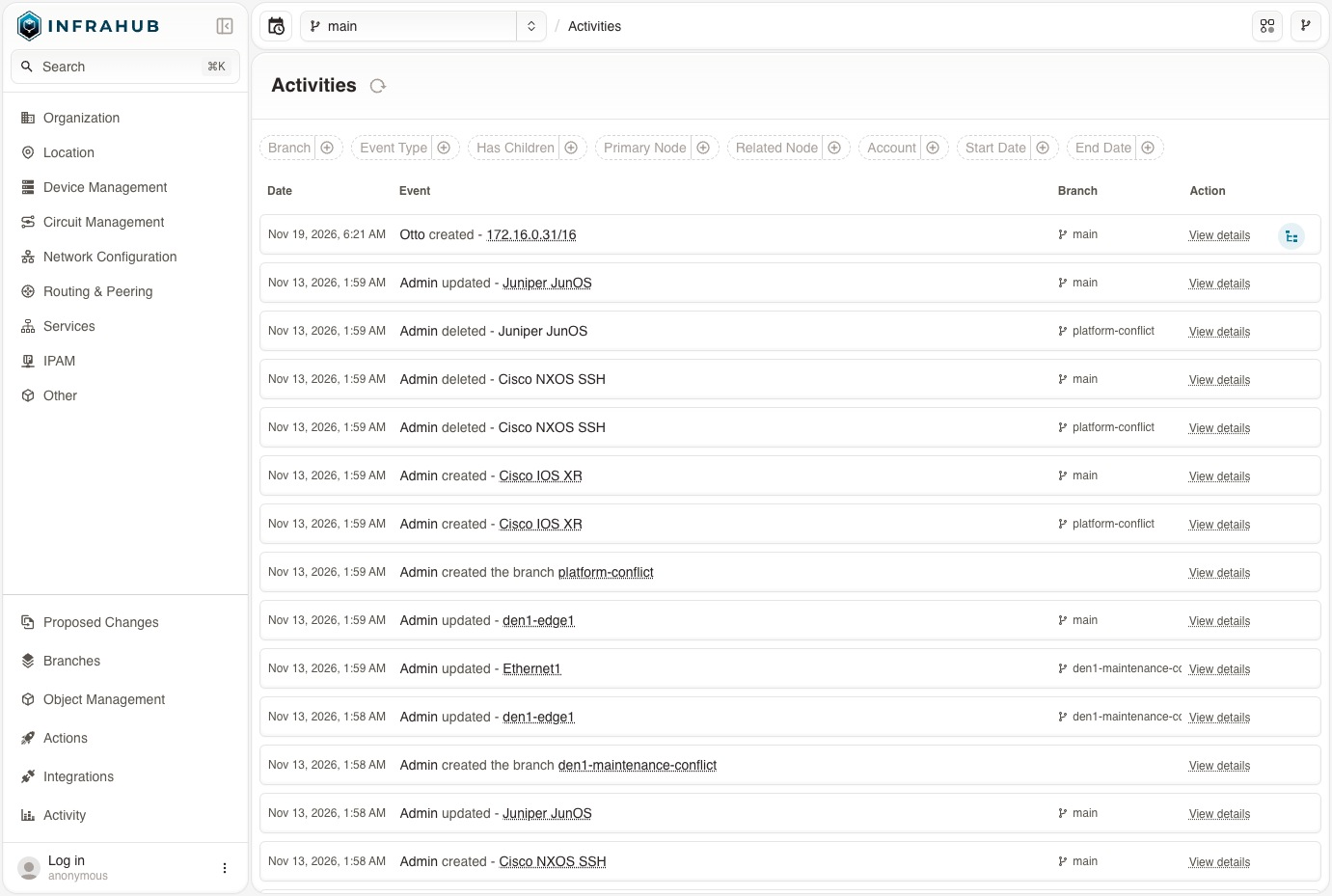
- Immutable history and a filterable activity log show who changed what, while background tasks for diffs, rebases, and migrations expose their state and workflow.
- APIs and AI Agent Access
- GraphQL and REST APIs, webhooks, and the optional infrahub-mcp server let automation and AI agents such as Claude and Cursor read Infrahub data.