Stars
Forks
Watchers
Developer links
Steward
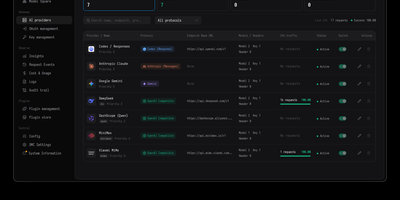
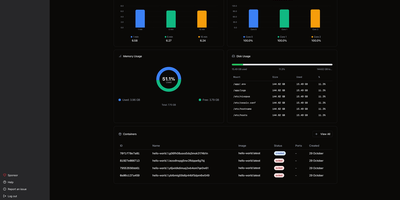
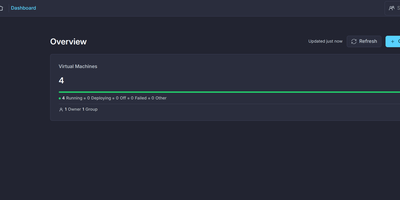
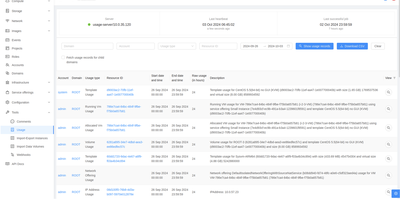
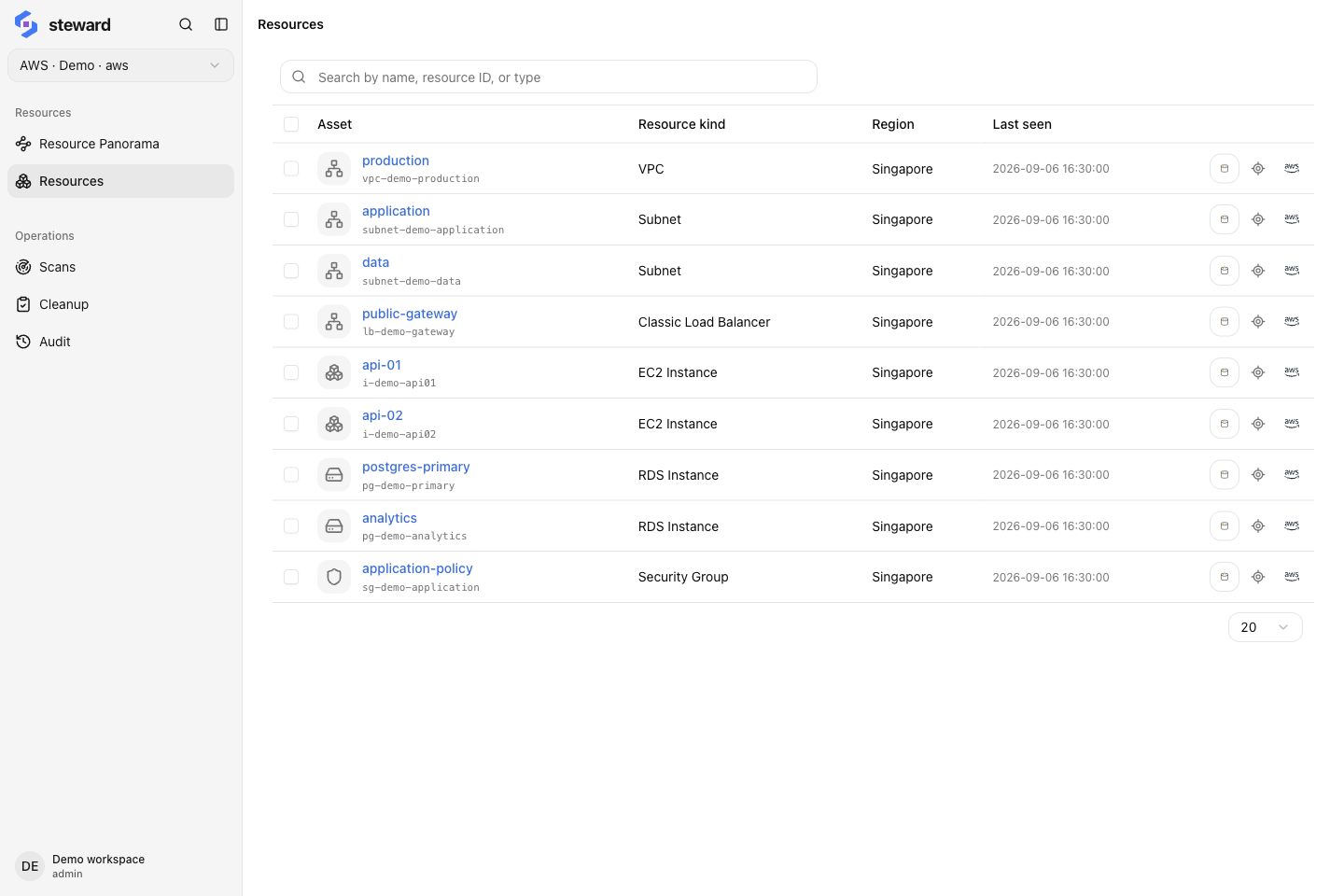
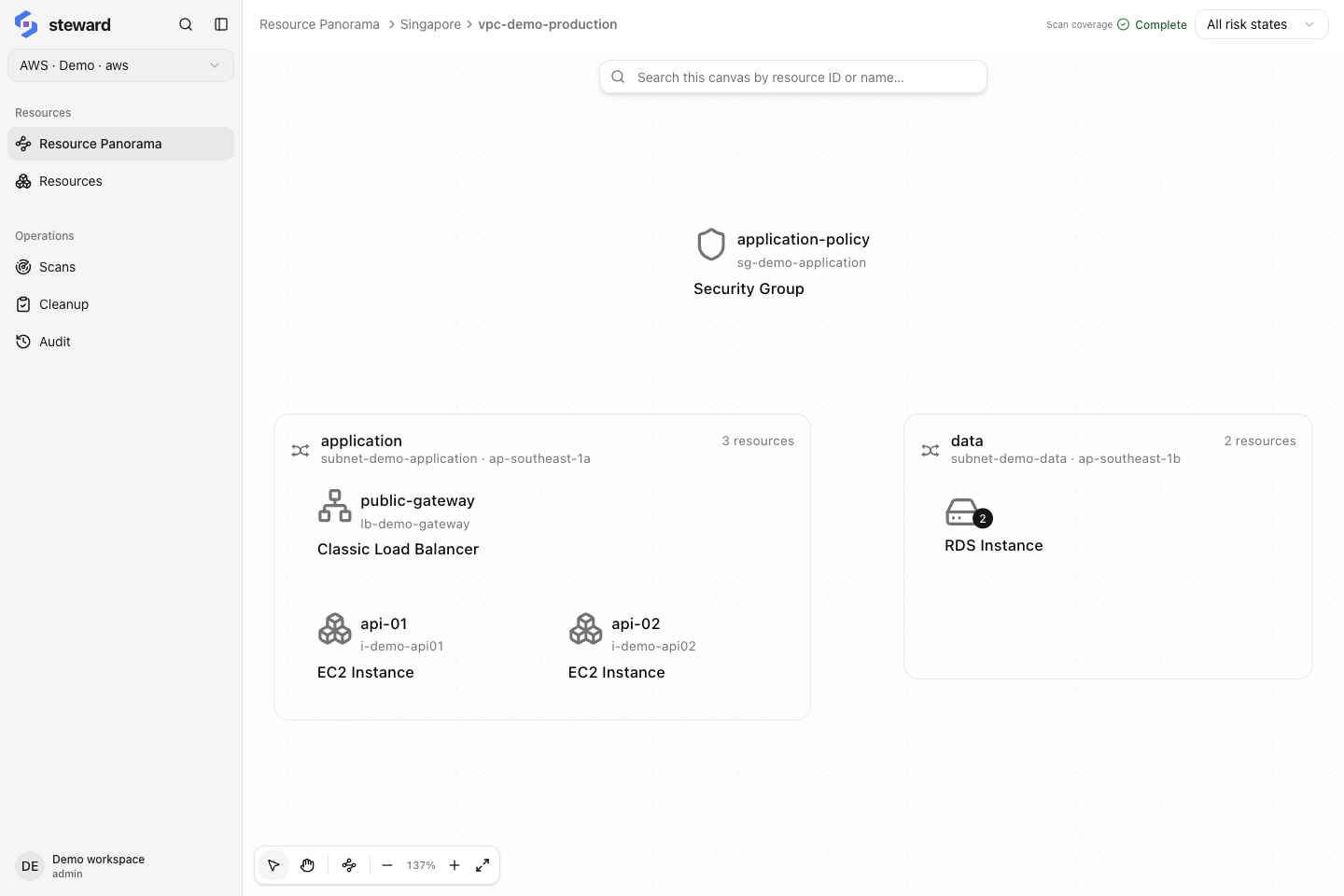
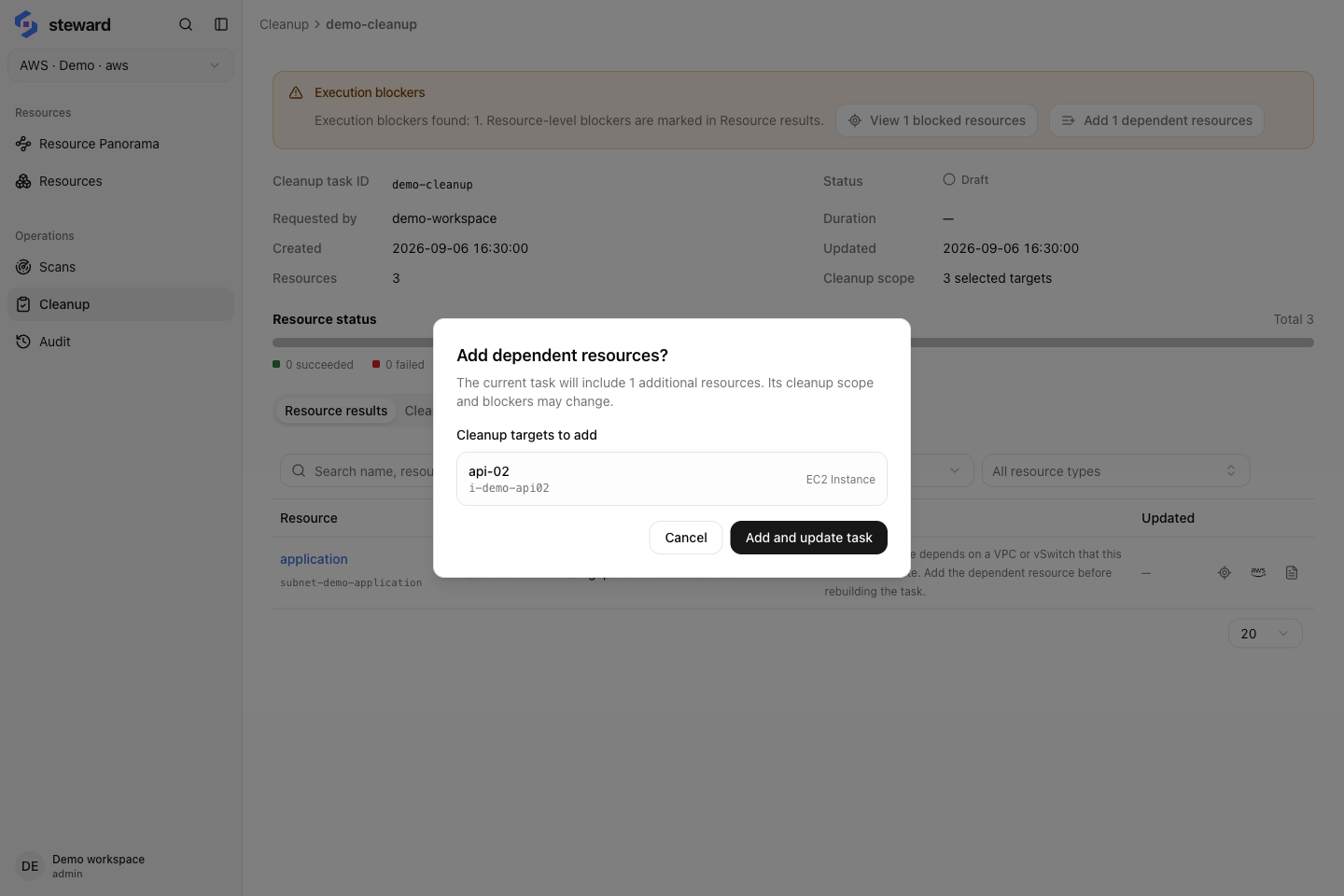
Every cloud account grows the same way: a test instance nobody shut down, a storage bucket from a migration two years ago, a database whose owner left the company. Steward walks all four of your clouds, AWS, Alibaba Cloud, Google Cloud and Microsoft Azure, and writes down what is actually running in one inventory you can search instead of four consoles you half remember. The point is not the list, it is what the list connects to: open any resource and see its relationships, which services depend on it, what shares its network, what breaks if it disappears. Cleanup stops being a leap of faith, because every candidate deletion is reviewed against that dependency map first, showing the impact before execution and following the result of each action afterwards. Scheduled scans keep the picture honest without you remembering to look, reporting exactly which resources each scan added, removed or modified, and pinging Slack, Feishu, DingTalk or WeCom when a scan fails. Connect accounts, including through OIDC, run the first sweep, and the orphaned, idle and forgotten start standing out from the infrastructure you actually need. It runs as a single executable with the web console and database built in, under systemd on your server, behind your HTTPS proxy with token sign-in. Running on a dedicated VPS on RepoCloud with guaranteed CPU, RAM, and SSD, full root SSH access, and a browser serial console. Apache-2.0 licensed.
Benefits
- Four Clouds, One Inventory
- AWS, Alibaba Cloud, Google Cloud and Microsoft Azure accounts are discovered into a single searchable inventory, so what is running is one question instead of four consoles.
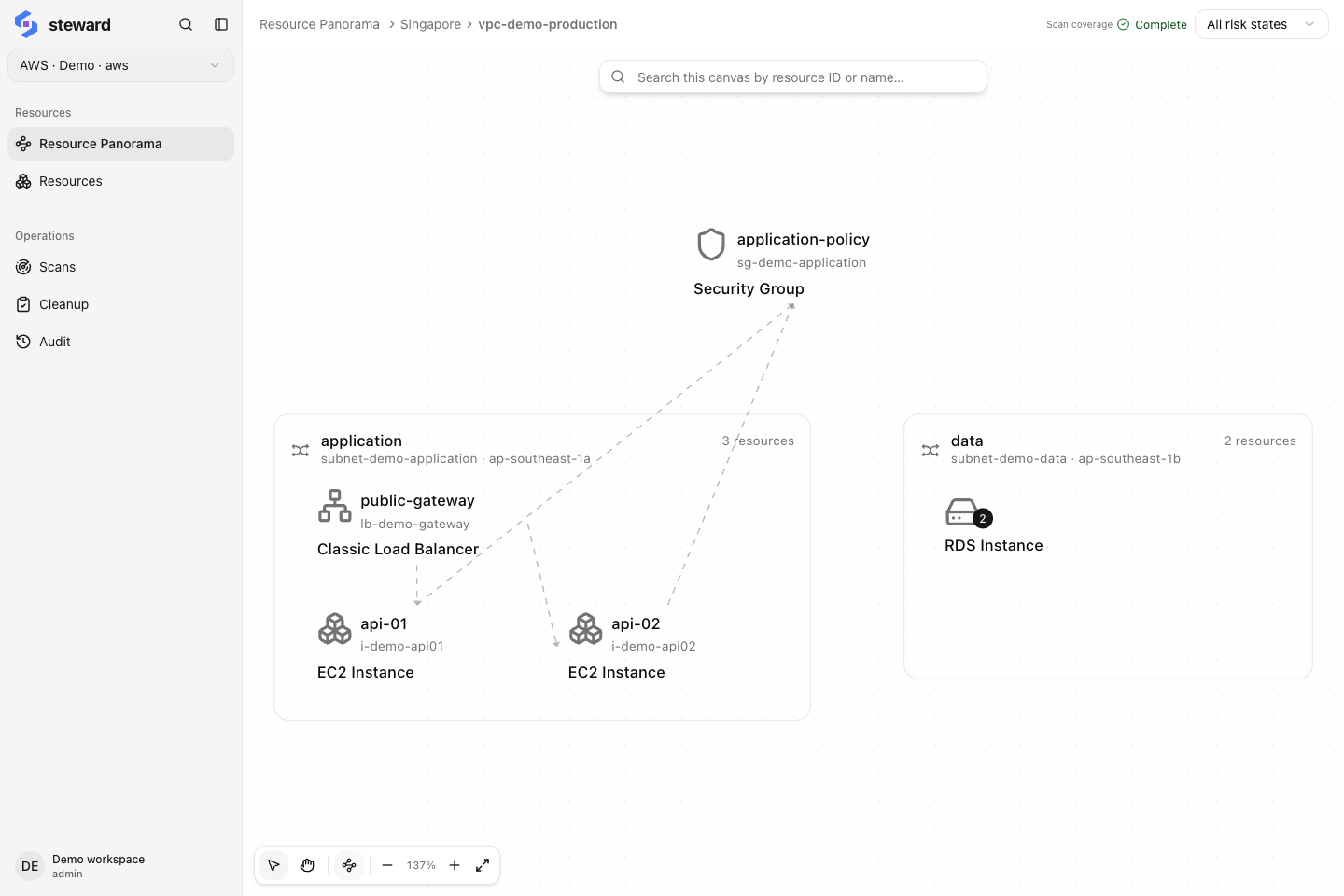
- Dependencies Before Deletion
- Every resource shows how it connects to the rest of your infrastructure, and cleanup candidates are reviewed against that relationship map, so you see what a deletion would affect before anything is executed.
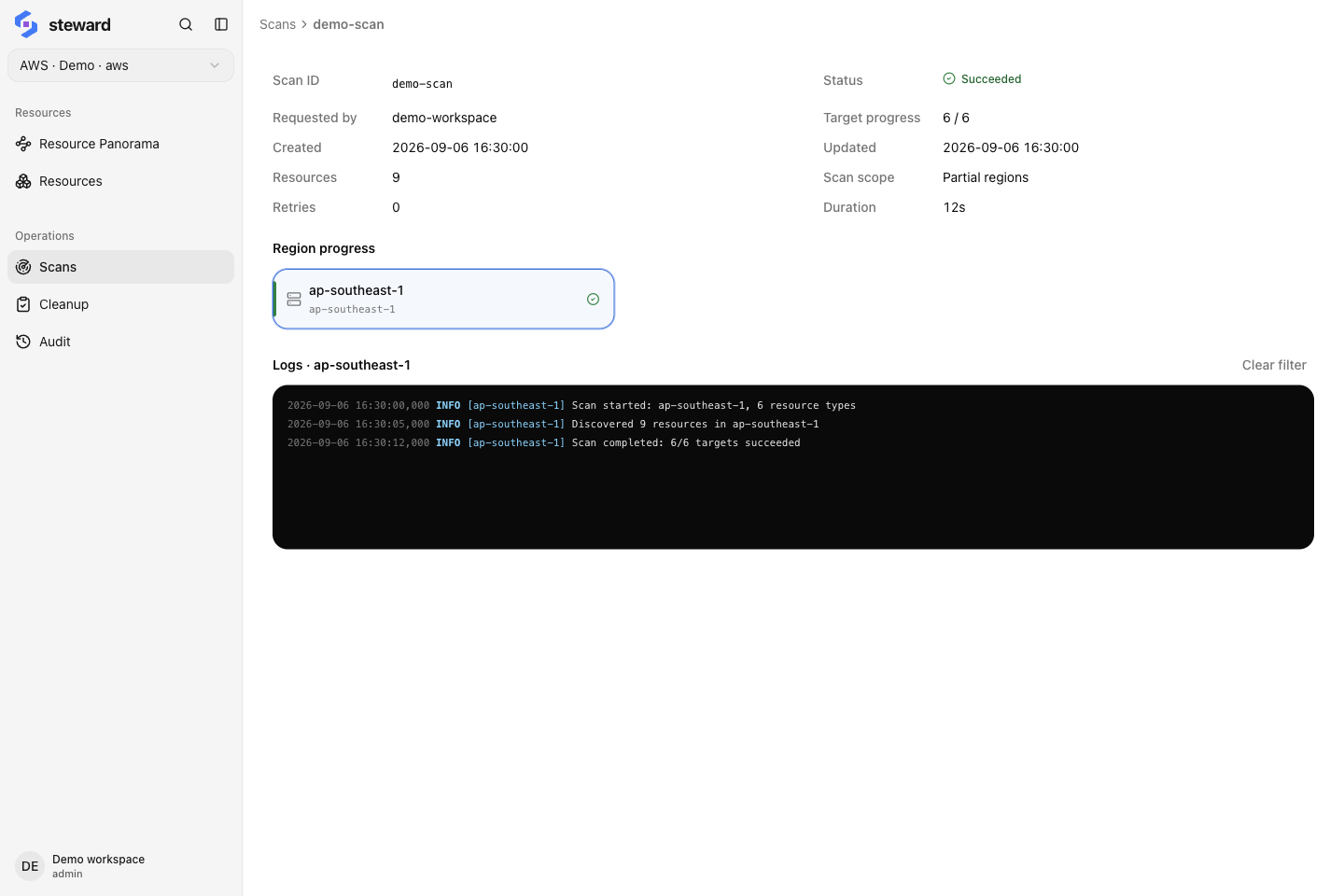
- An Inventory That Stays Current
- Scheduled scans refresh the picture automatically and report precisely which resources each scan added, removed or modified, with failed scans announced to Slack, Feishu, DingTalk or WeCom instead of failing silently.
- Cleanup With A Paper Trail
- Reviewed cleanup follows each action through to its result, so the team can see what was removed, what was kept and why, turning cost hygiene from a risky purge into an auditable routine.
Features
- Relationship Topology Views
- Interactive dependency visualization shows how resources connect across services and accounts, making shared dependencies and blast radius visible before you change or remove anything.
- OIDC Cloud Connections
- Connect cloud accounts with scoped credentials or OIDC, so Steward can inventory an organization without long-lived access keys sitting in a config file.
- Single-Executable Deployment
- One binary includes the web console and database; run it under systemd, switch to token mode behind an HTTPS proxy, update via package manager.
- Scan Diff Reporting
- Each scheduled scan produces an added, removed and modified report per account, so drift between Tuesdays is a readable changelog rather than a surprise on the next invoice.
- Chat Failure Alerts
- When a scan fails, Steward notifies Slack, Feishu, DingTalk or WeCom, because an inventory tool that quietly stops scanning is worse than one that never started.
- Guided First Inventory
- Tutorials walk you from connecting an account to your first cross-region inventory and your first dependency review before a cleanup, in English or Simplified Chinese.