GrayMatter
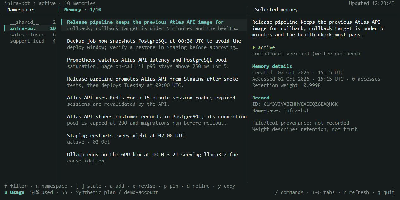
GrayMatter gives AI agents a persistent memory that survives between sessions, so every new run starts from stored facts instead of a blank slate. Agents save facts once and recall them by meaning, receiving the top eight relevant entries instead of a full history replay. A consolidation cycle extracts typed entities (people, organizations, and projects) and links co-mentioned items into a knowledge graph that grows from ordinary use. Every recall can return receipts showing the per-signal ranks, fused score, and provenance behind each fact, so you can audit why the agent remembered something. Deterministic decay gives facts a 30-day half-life and retires stale entries to tombstones, keeping the store current without manual cleanup. Claude Code hooks inject routine recall on every turn, and the context-sync command projects top facts into CLAUDE.md or AGENTS.md inside a set token budget. Agents curate their own memory through the memory_reflect tool, adding, updating, forgetting, and linking facts during a session. The workbench opens six views (Memory, Recall, Activity, Graph, Usage, and Status) for browsing namespaces, inspecting ranking receipts, and tracking subscription limits or API spend. Connect Claude Code, Cursor, Codex, OpenCode, Antigravity, or any MCP-compatible client over stdio, or call the REST API server on port 8080 from your own tooling. Export the graph to Obsidian with one command, turning entities into notes and edges into links. Running on a dedicated VPS on RepoCloud with guaranteed CPU, RAM, and SSD, full root SSH access, and a browser serial console. MIT licensed.
Deploy