SpatiumDDI
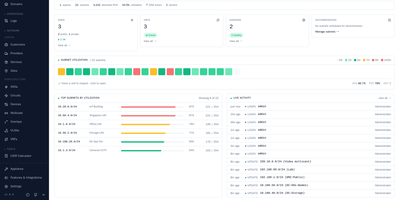
SpatiumDDI is the open alternative to commercial DDI platforms that charge by the IP, by the appliance, and by the feature, then lock every zone and subnet you own inside a renewal cycle. It does not just render configuration for servers somebody else runs, but deploys and operates BIND9, PowerDNS, Technitium, and Kea itself. Manage zones and records with per-server sync state, hand out DHCP scopes, pools, and static reservations per server group, and watch live leases reported back by the Kea agents. The IPAM side keeps spaces, blocks, and subnets in a tree with per-address DNS and DHCP sync, while the dashboard shows utilization, capacity, and platform health at a glance. Bring an existing estate with you through importers for BIND, Windows, PowerDNS, Technitium, Kea, ISC, and NetBox, and manage Windows DNS and DHCP agentlessly over WinRM when a full cutover is not on the table. Delegate safely with group-based roles over LDAP, OIDC, SAML, RADIUS, or TACACS+, search every object globally, and keep an append-only audit log of who changed what. Running on a dedicated VPS on RepoCloud with guaranteed CPU, RAM, and SSD, full root SSH access, and a browser serial console. Apache 2.0 licensed.
JT-IPAM
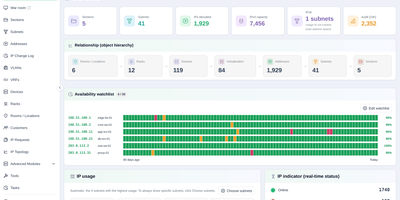
Spreadsheets and sticky notes stop scaling the day your network grows past a rack or two, so JT-IPAM keeps every address, subnet, and device in one searchable system of record. Track subnets and individual IPs with their hostnames, MAC addresses, and owners, then reconcile what you documented against what scan agents actually find through ICMP, ARP, reverse DNS, and SNMP collection from routers and switches. Connect the DNS servers you already run, from PowerDNS and BIND 9 to Windows DNS and Technitium, and flag records that have no matching address in IPAM. Pull devices and virtual machines in from LibreNMS, Zabbix, Proxmox VE, ESXi, Hyper-V, and OpenStack so monitoring and address records stop drifting apart. Draw floor plans and rack elevations, trace a cable across multiple hops, and open an SSH terminal, SFTP browser, or RDP desktop to a device straight from its address page. Route new address requests through configurable multi-stage approval workflows, distribute certificates to web servers and firewalls from central encrypted storage, and keep a full audit trail of every change and console session. Running on a dedicated VPS on RepoCloud with guaranteed CPU, RAM, and SSD, full root SSH access, and a browser serial console. AGPL-3.0 licensed.