Tagr
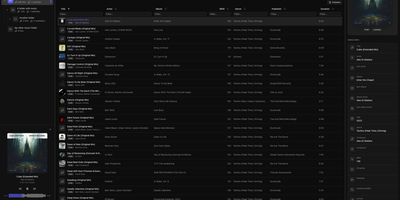
When a music library is full of wrong tags, missing covers, and blank ratings, Tagr lets you fix the whole collection from any browser, on desktop or phone. Three roles divide the work on your own server. Admins mount a music folder, press scan, and get a searchable table of every track, with sortable and filterable columns, more than 40 editable fields, and room for custom tags. Taggers make the changes: edit fields inline, swap album art, and match one song or a whole selection against MusicBrainz, ticking which fields to overwrite. Mistakes are cheap, because every edit is stored in a persistent change history with a revert action, viewable per song or per folder. Rule-based smart playlists, such as every track with an empty comment, show what still needs attention. Listeners browse and play without edit rights, using the waveform player, a Recently played view, and optional ListenBrainz scrobbling that each person connects to their own account. Supported formats include MP3, FLAC, WAV, AAC, OGG, M4A, M4B, WMA, AIFF, and Opus, with changes written straight back into the files. Swipe-friendly panels, an installable PWA, and five interface languages make the phone a comfortable place to work. Running on a dedicated VPS on RepoCloud with guaranteed CPU, RAM, and SSD, full root SSH access, and a browser serial console. AGPL-3.0 licensed.
DroppedNeedle
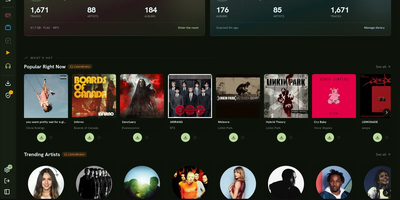
Self-hosted music requests, no Lidarr install needed: DroppedNeedle searches MusicBrainz, drives your own slskd or Usenet setup, and files only verified, tagged tracks in your library. Request a whole album or a single track, then retry or cancel from a dedicated requests page. The engine queries slskd, or SABnzbd with Newznab indexers or Prowlarr, and scores every candidate before anything downloads. Files must pass checks for readable tags, a sane duration, and an optional AcoustID fingerprint match. Close calls park for admin review. Failed requests are searched again until a verified copy arrives. Quality floors per format and storage caps keep the library tidy, and better copies replace old ones. The built-in player queues Jellyfin, Navidrome, Plex, local files, and YouTube previews with shuffle, a 10-band equalizer, and embedded lyrics. Prefer your own app? Symfonium, Finamp, Feishin, and other Subsonic or Jellyfin clients connect with revocable app passwords. Discovery rows draw on ListenBrainz and Last.fm history and global charts, and a weekly mix can queue up to five missing albums. Follow artists for new-release alerts, or add Ticketmaster or Skiddle keys for gig listings in cities you choose. Import Spotify playlists, or drag in a zip of music you bought. Admin, Trusted, and User roles decide whether a request starts at once or waits for approval. Running on a dedicated VPS on RepoCloud with guaranteed CPU, RAM, and SSD, full root SSH access, and a browser serial console. AGPL-3.0 licensed.
LMS
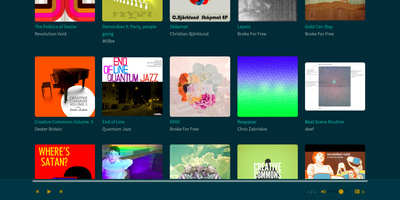
LMS is a self-hosted music server that streams your own library to any web browser or Subsonic-compatible player. Point it at a folder of tagged files and it builds a library that understands multi-valued genres and moods, composer, conductor, and producer credits, release types, and release groups that keep remasters beside the original. MusicBrainz identifiers settle duplicate artist and album names, and an artist information folder in Kodi NFO format adds biographies and portraits. Browse with filters like Electronic plus Relaxed, then switch on radio mode and the queue refills itself with similar tracks, chosen by audio similarity or by tags. Plays can be scrobbled to ListenBrainz and Last.fm, and loved tracks synchronize with ListenBrainz. Phone apps connect through the Subsonic and OpenSubsonic API with a personal API key, and transcoding trims bandwidth on slow connections. ReplayGain evens out loudness, podcasts and lyrics sit in the same interface, and an admin-only jukebox mode plays through the server's own audio output. Several libraries can live side by side, a .lmsignore file keeps unwanted folders out of scans, and logins can use the internal user database, PAM, or reverse-proxy SSO headers. Running on a dedicated VPS on RepoCloud with guaranteed CPU, RAM, and SSD, full root SSH access, and a browser serial console. GPL-3.0 licensed.