SpiderFoot
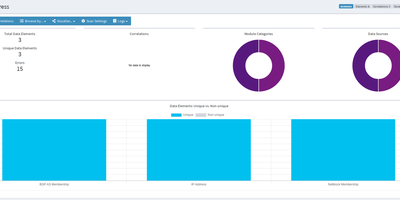
SpiderFoot is an open-source OSINT automation platform, replacing hours of manual reconnaissance with automated intelligence gathering across more than 200 data collection modules. The platform accepts ten distinct target types including IP addresses, domains, hostnames, network subnets, ASNs, email addresses, phone numbers, usernames, person names, and Bitcoin addresses, then feeds them through a publisher-subscriber event bus where each module's findings trigger downstream analysis automatically. SpiderFoot queries Shodan, VirusTotal, HaveIBeenPwned, AlienVault OTX, Censys, crt.sh, WHOIS databases, social media platforms, breach databases, and dozens more sources, with most modules requiring no API keys and many offering free tiers for those that do. The YAML-configurable correlation engine applies 37 pre-defined rules to identify relationships between discovered data points, flagging patterns like shared infrastructure, credential exposure, and domain reputation anomalies. Results export in CSV, JSON, and GEXF graph formats for integration with external analysis tools. TOR integration enables dark web searching, and SpiderFoot can invoke external tools including DNSTwist, Whatweb, Nmap, and CMSeeK for deeper technical assessment. The embedded web server delivers an intuitive dashboard for scan management, data visualization, and result exploration alongside a full command-line interface for scripted automation. Running on a dedicated VPS on RepoCloud with guaranteed CPU, RAM, and SSD, full root SSH access, and a browser serial console. MIT licensed.
Web-Check
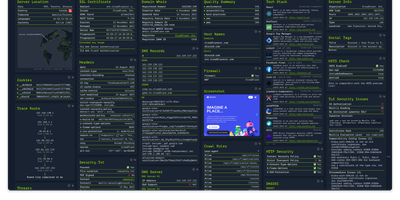
Enter a URL and get a dashboard of everything publicly discoverable about its security posture, server architecture, and technology stack: Web-Check is an all-in-one OSINT tool for analyzing any website. One scan surfaces IP info and server location, the full SSL certificate chain with issuing authority and validity, DNS records (A, MX, NS, CNAME, TXT) with DNSSEC status, HTTP response headers interpreted for security directives like HSTS, CSP, and X-Frame-Options, cookies and their flags, WHOIS domain info, robots.txt crawl rules, a sitemap-derived page map, the redirect ledger, open ports, traceroute, detected technologies, third-party trackers, associated hostnames, site performance, and even carbon footprint. Each card explains what the data means and why it matters, which makes the tool double as a security education resource - junior engineers learn headers and attack surfaces by scanning real sites. Practical uses span pre-deployment security audits (catch missing headers and misconfigurations before they ship), privacy compliance checks (identify trackers and cookie behavior for GDPR work), competitive tech-stack research, and network debugging via DNS and redirect inspection. Built by Lissy93 in TypeScript, it deploys as a single Docker container, and self-hosting keeps your reconnaissance targets and audit activity off third-party services.