Windshift
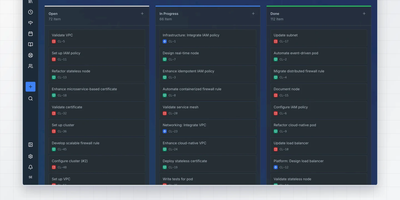
Windshift packs boards, sprints, roadmaps, test runs, time tracking, and a customer portal into one open-source tracker that replaces Jira on a server you control. Epics, stories, and sub-tasks form a hierarchy you can view as a board, list, tree, or map, and backlog items drag into dated sprints. The roadmap stretches across weeks, months, or quarters, and milestone pages show completion percentage with a status breakdown. Each workspace defines its own item types, custom fields, screens, statuses, priorities, workflows with conditions and approvals, and permissions, while JQL-style queries save as shared views. Event-driven rules update fields, notify people, and create work. Customers file requests through a public portal, and your team works them through queues with SLAs and approvals. Reusable test cases roll into test runs with success rates, and timers log billable and internal hours against projects and customers. GitHub, GitLab, Gitea, and Forgejo connections put branches and pull requests on the work item, and the importer brings over Jira projects, comments, attachments, and worklogs. A knowledge base and an asset register keep documentation and inventory next to the work. The interface speaks nine languages, including right-to-left Arabic, and sign-in supports OIDC single sign-on and passkeys. Running on a dedicated VPS on RepoCloud with guaranteed CPU, RAM, and SSD, full root SSH access, and a browser serial console. AGPL-3.0 licensed.
Znuny
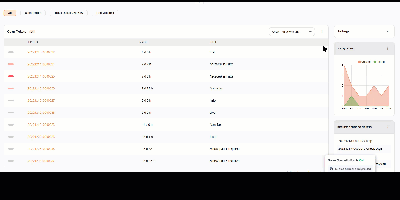
Znuny turns every customer request into a ticket with an owner, a priority, a deadline, and a complete history, no matter whether it arrived by email, phone, web portal, API, or a monitoring alert. Agents work from a dashboard that lists open and new tickets, escalations, running processes, a seven-day created-versus-closed chart, upcoming events, and logged-in colleagues. Queues route tickets to the right team, and automation handles classification, escalation, notifications, and state changes, from simple email filters up to multi-step business processes. Service level agreements are tracked against every ticket, with alerts before deadlines pass and overdue items highlighted. Customers help themselves through a self-service portal and a searchable FAQ knowledge base, while agents opening a ticket immediately see who the customer is, which company they belong to, the services they are entitled to, and their full support history. Configuration items in the CMDB link assets and services to the tickets they affect, statistics and reports turn ticket data into decisions, and calendar appointments can create tickets on schedule. Administrators shape the system with over 2,000 configuration options, dynamic fields, and granular permissions. Running on a dedicated VPS on RepoCloud with guaranteed CPU, RAM, and SSD, full root SSH access, and a browser serial console. GPL-3.0 licensed.
iTop
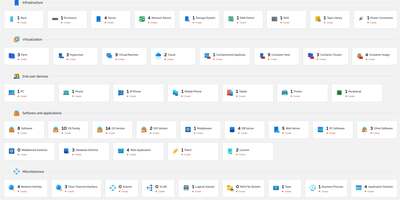
Keep every ticket tied to the servers, applications, and contracts it affects with iTop, an IT service management platform that joins a configuration management database (CMDB) to a helpdesk. Agents work user requests, incidents, problems, known errors, and changes through ITIL-style life cycles, and SLA targets for time to own and time to resolve move a ticket to an escalated status when a deadline passes. The CMDB models infrastructure, virtualization, end-user devices, software, and business applications, and its impact analysis graph shows what a failing server would take down. A service catalog of services and subcategories, backed by customer and provider contracts, feeds a user portal where employees and customers submit requests from a mosaic, tree, or list, follow progress, add comments and attachments, and reopen resolved tickets. Administrators bulk-load inventory from CSV, run consistency audits to catch data-quality problems, synchronize records from external sources, and connect other tools through REST web services. Sign-in works with local accounts, LDAP, or CAS, with optional two-factor authentication through authenticator apps, email codes, or recovery codes, and the console offers dark, high-contrast, and color-blind-friendly themes. Running on a dedicated VPS on RepoCloud with guaranteed CPU, RAM, and SSD, full root SSH access, and a browser serial console. AGPL-3.0 licensed.