ManageIQ
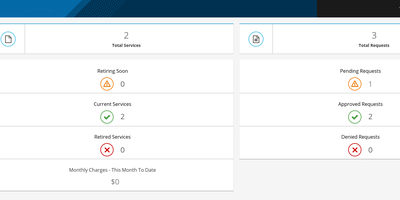
ManageIQ gives operators one console for every cloud and hypervisor the organization runs, connecting to VMware, OpenStack, AWS, Azure, Google Cloud, Kubernetes, OpenShift, and Nutanix to continuously discover inventory, map relationships, and listen for changes without installing agents. Discovered estates become manageable: operators publish bundles of resources into a self-service catalog that end users order like apps, then govern the full life cycle through policy, compliance, delegated operations, and retirement. SmartState analysis scans the contents of VMs, hosts, and containers agentlessly, even foreign or uncooperative ones, feeding security and compliance policies that flag drift automatically. Utilization metrics reveal idle systems and right-sizing opportunities, with capacity planning and what-if scenarios before hardware purchases. Chargeback and showback assign rates to tenants, group VMs by tag or container images by label, and generate reports in multiple currencies. Embedded Ansible automation executes playbooks for provisioning and remediation, and the Spassky release adds Nutanix and Terraform Enterprise providers on a Rails 7.2 core. Running on a dedicated VPS on RepoCloud with guaranteed CPU, RAM, and SSD, full root SSH access, and a browser serial console. Apache-2.0 licensed.
SaltStack
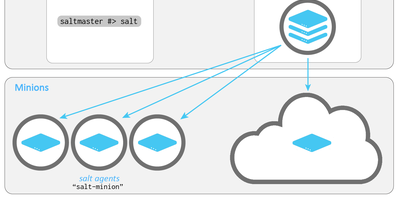
Type one command on the Salt master and ten thousand machines answer, because Salt publishes jobs to minions that subscribe, check whether the job targets them, and execute it in parallel before reporting results back. Configuration management describes the desired end state in YAML state files: which packages, files, services, and users should exist, and highstate runs converge every targeted minion toward that description with dependency ordering. Targeting goes far beyond hostnames, since grains describe each minion's operating system, hardware, and roles, and Pillar delivers per-minion secrets and settings rendered only for the machines that should receive them. Beacons watch services, load, disks, logins, and file changes on minions and emit events onto the bus, while reactors bind those events to prepared responses, so a failed service can restart itself and an administrator gets notified with the evidence attached. Orchestration runners coordinate multi-machine procedures in sequence, such as draining a load balancer pool, patching it, and returning it to service, and the master exposes HTTP APIs and pluggable returners that stream job results into your databases and dashboards. Machines that cannot run an agent are reached through Salt SSH, and Salt Resources target appliances and API endpoints that should be managed without a minion at all. Running on a dedicated VPS on RepoCloud with guaranteed CPU, RAM, and SSD, full root SSH access, and a browser serial console. Apache-2.0 licensed.